Patio Pondering The Written Collection
What started as my daily coffee-and-keyboard ritual has grown into a collection of reflections on agriculture, leadership, and rural life.
From quiet mornings on my backyard patio to the lessons learned in barns, fields, and boardrooms — these writings capture the stories, ideas, and questions that keep me curious.
Take a moment to explore, and maybe you’ll find a thought or two that sparks your own reflection.
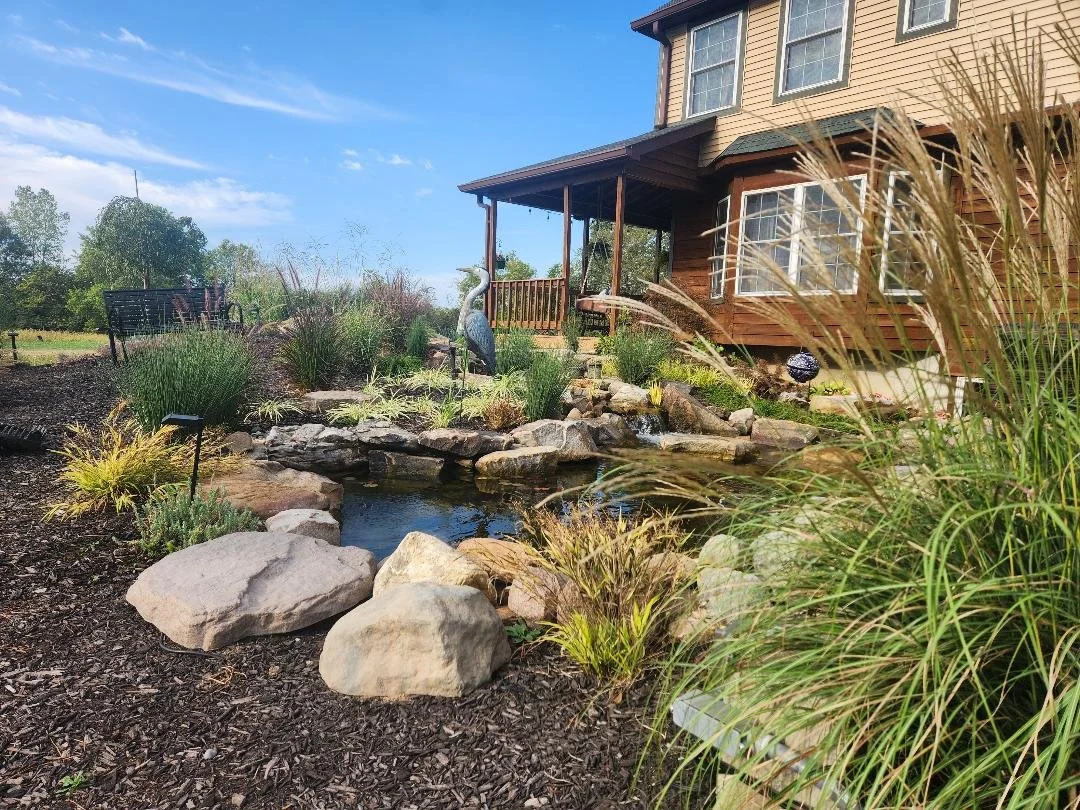
Scroll down to discover the stories and reflections from the patio.
Patio Pondering: Don't Worry, We'll Remember (We Won't)
What should have been a simple turn-the-valve to stem the flow of water turned into a game of Turn-the-valve-and-yell-did-it-turn-it-off. Of course, the valve for the master bathroom toilet was the last valve I turned. Finally, the water is off and we can decide what to do with the leaky toilet.
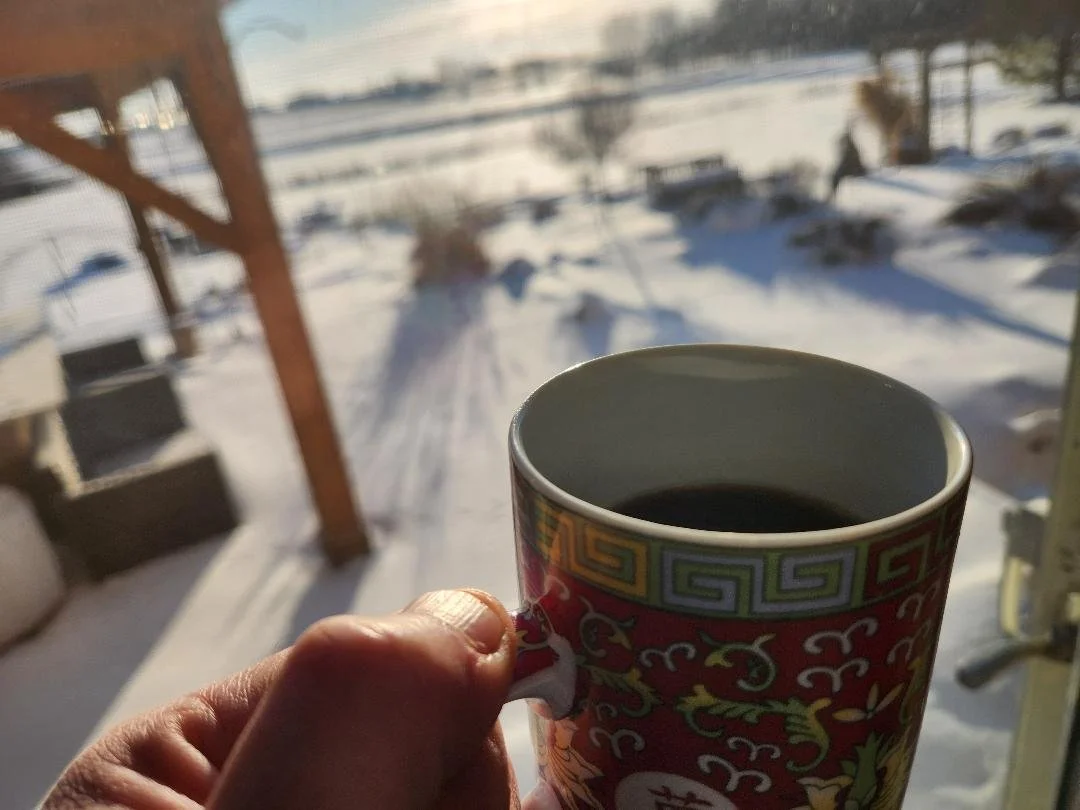
This morning is another cold one off the patio, school is cancelled for another day due to the frigid temperatures and drifting snow. I made no effort to venture out to the patio, enjoying my coffee from the warm confines of our kitchen. My coffee is a respite from the surprise way this morning started.
There are few phrases that startle a homeowner into action, words like "The dog has diarrhea!" or "There's no electricity." This morning, I was startled from my early morning REM with "There's water all over the bathroom floor and it isn't from the dog!"
Bleary eyed I sprang from my bed like I had just heard St. Nicholas on the roof and ran to the bathroom.
It took me a few seconds to see water dripping from the tank of the toilet. An easy fix, just reach down and turn off the valve and all is well. Wait, where's the valve? Oh, that's right, our builder used one of those fancy water manifolds in the basement so now remote shutoffs are needed. When I went to the basement, I remembered that the person that built our house chose to not label the valves.
What should have been a simple turn-the-valve to stem the flow of water turned into a game of Turn-the-valve-and-yell-did-it-turn-it-off. Of course, the valve for the master bathroom toilet was the last valve I turned. Finally, the water is off and we can decide what to do with the leaky toilet.
When I returned to the kitchen to enjoy my morning coffee I thought about the blank water manifold with no labels. As I sat there with my coffee, still slightly annoyed at the blank manifold, it hit me - how many times have I done exactly what that plumber did? Not with labeling plumbing lines, or instructions I left for someone, or assuming someone knew how to do something I never actually showed them, but with how I've implemented plans or completed tasks with no documentation to help those coming later.
Just yesterday I wrote a SOP for a new position to help with my podcasting. As I wrote the various sections I kept realizing that I had to specifically write the procedures for the new person because they did not have the knowledge to "Remember what we did." The plumber knew which line went where but that knowledge did me no good 24 years later as I stood there looking at that unlabeled manifold with water dripping two stories above me with a panicked wife telling me “That’s not it."
How many times in our lives whether at home or at work do we say "We'll remember" when in reality we won't?
Patio Pondering: Figuring It Out Together, Separately
For me, asking for help is an admission that I am a Ph.D. who does not have all the answers. An admission that doesn’t shock my friends, I know. And it’s also an admission that even with nearly three decades of experience, I’m swimming in new waters.
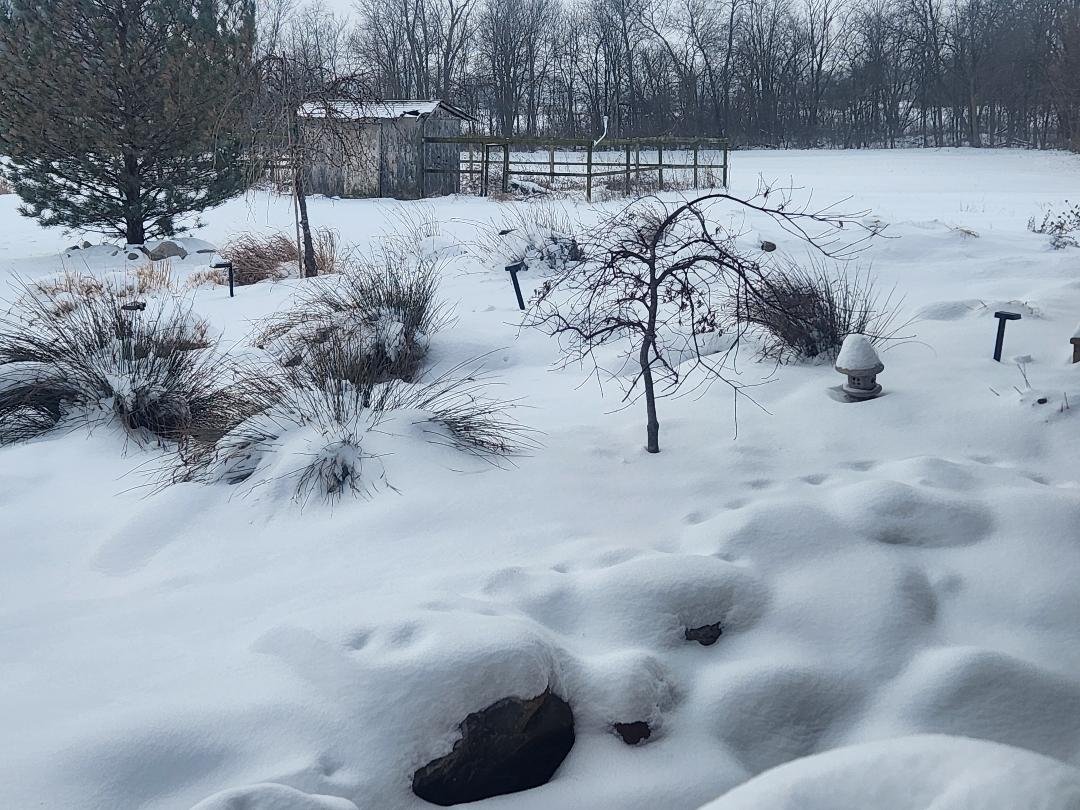
It is another frigid day here on the patio, and today is another e-learning day for our area. I plan to hunker down in my Terra Level Executive Suite and work on several projects.
As I looked out over the patio this morning, I caught myself thinking — and then thinking again — about taking next steps when there is no map. No supervisor. No committee to put up guardrails.
This isn’t limited to those of us working on our own. The same uncertainty shows up inside organizations whenever a team steps into something new. A project without precedent. A product without a clear playbook. A direction that hasn’t yet been agreed upon.
There’s an assumption in our world that only the bold, the loud, the explorers are the ones who win and make things successful. And if I’m honest, that description doesn’t fit most of us who work in small businesses or inside the corporate world.
So where does that leave those of us whose Myers-Briggs personalities start with “IN”? Those of us trying to make our way — navigating corporate minefields on one hand, or trying to blaze our own trail as entrepreneurs on the other.
Fortunately, the roadmap through life doesn’t start with “Only the Bold and Loud Shall Pass,” guarded by the business world’s version of the Gray Wizard. The slate is blank. Wide open. Waiting for us to blaze our own trail.
The harder part is making the decisions. Taking the steps. Moving forward when the questions start piling up.
Is this right?
What would a committee suggest?
If I only had a team to help me.
So how do we form teams or advisors when we don’t actually have a team?
For me, it means reaching out to friends who are doing similar things. Just this morning I had a conversation with a friend and fellow podcaster about adding a team member to streamline my podcast work. While I was at Iowa Pork Congress, I had conversations with other consultants about how we might work together on joint projects that could help us both.
We all have support somewhere in our networks. The harder part is dropping the walls and admitting we need help. For many of us, that is a much bigger hurdle than we care to admit.
Asking for help is an admission that I am a Ph.D. who does not have all the answers. An admission that doesn’t shock my friends, I know. And it’s also an admission that even with nearly three decades of experience, I’m swimming in new waters.
So today, as I drain the last of the coffee from the pot sitting in the Terra Level Executive Suite, I’ll work on my projects. Not because I’m certain each task is the right move, but because movement beats paralysis. And because somewhere in my network, someone else is doing the same thing — feeling the same uncertainty — and maybe we’ll figure it out together, separately.
Patio Pondering: Trust Me, I Work With Pigs!
I turned as they left the meat case and finished my Winter Storm Preparations. It wasn't until I was driving home that I digested what had happened at the meat case at the Meijer Store on the northeast side of Fort Wayne: I had promoted pork.
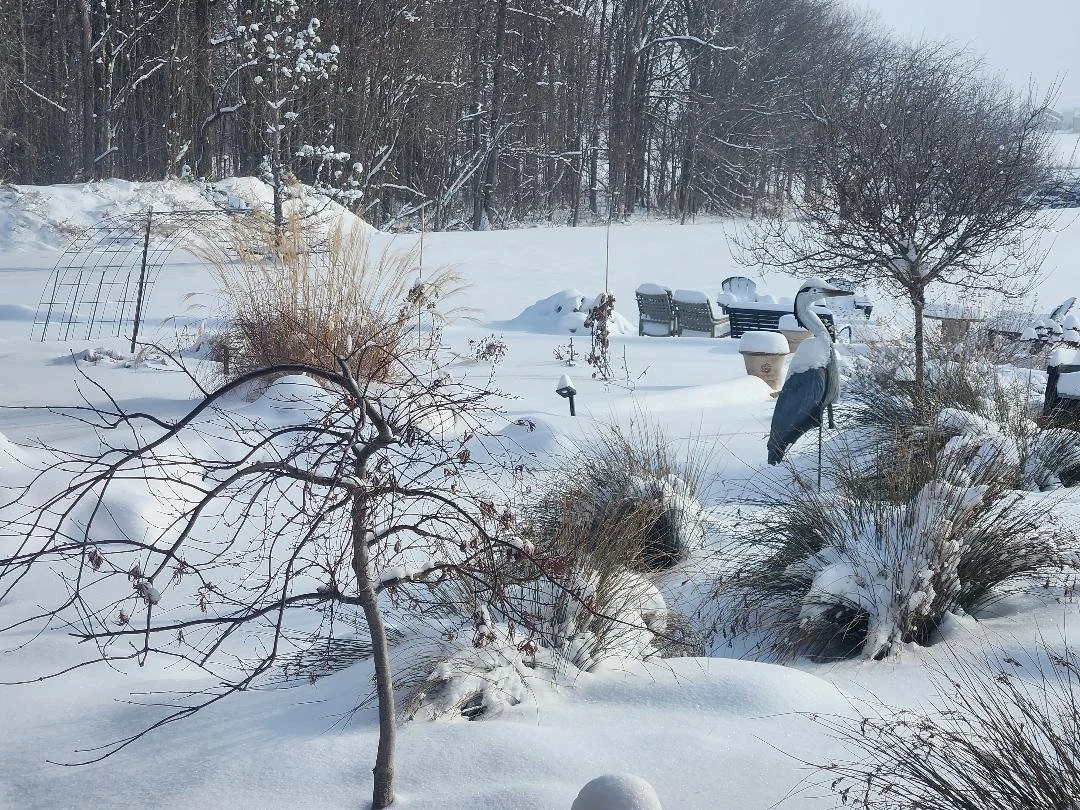
This morning is bright and clear off the patio after the detritus of the weekend's massive snow has everything covered in a heavy blanket of snow. I am not venturing out on the patio this morning, staying in where the temperature is a comfortable 72 degrees and my coffee is hot and strong.
At the Iowa Pork Congress last week I had several conversations with friends and one of the topics we covered quite a bit was increasing demand and the new promotion campaign by the National Pork Board titled Taste What Pork Can Do. We had lots of discussions about whether the campaign is the right one, more discussion on how we had to expand demand beyond the 50 pounds or so per person where pork consumption has stagnated.
Many of us in animal agriculture are quick to blame checkoff organizations for missteps in promotional campaigns, but what have we done personally to actually promote pork outside our circle that already consumes pork?
That thought stuck with me as I drove back to northeast Indiana. What have I done to promote pork in my own life? Little did I know that I would have that opportunity when making a grocery run ahead of Winter Storm Fern.
This Saturday I made a trip to our local Meijer store to join the throngs of people stocking up on Winter Storm Essentials. As I pushed my cart with our own version of Bread, Milk, and Eggs I stopped at the pork display to see the offerings. I was happy to see empty shelf space - someone was buying pork.
While I stood there perusing the offering, a young, twenty-something couple was looking at pork. They finally grabbed two packages of breakfast chops (a horrible way to sell pork chops IMHO). When they were about to drop the packages in their cart I spoke up: "How do you plan to cook those?"
Mind you, I'm dressed in Carhartt head to toe, complete with blood, manure, and grease stains. I did not look like the Pork Promotions Lady. There was nothing appealing about my appearance to make me approachable until I said that I work with pig farmers.
The reply was simple: "In a pan."
"Put those back and grab some of those thicker pork chops over there. They will cook better and give you some leeway on doneness."
"Oh, cool."
"Do you have a meat thermometer?"
"Yes."
"Take the meat out of the pan when the middle is 145 degrees and you should have a great meal."
"Thanks, we never know what to get when we look at pork."
I turned as they left the meat case and finished my Winter Storm Preparations. It wasn't until I was driving home that I digested what had happened at the meat case at the Meijer Store on the northeast side of Fort Wayne: I had promoted pork.
In that moment, driving home through the snow, I realized I'd finally answered my own question. I've spent time critiquing checkoff campaigns and debating promotional strategies - and some of that criticism is valid. But Saturday at Meijer was more effective than any of those discussions. That couple was intimidated by the meat case, and someone needed to step up. This time it was me.
"We never know what to get when we look at pork." Those words should concern all of us. Consumers want to buy what we produce, but they're afraid of screwing it up. The National Pork Board can run campaigns, but they can't be there in every grocery aisle. We can. Every person in this industry who truly knows their product has the power to change that narrative.
So here's what I'm asking: What have you done this week to promote your product? Not at a conference. Not in a policy meeting. In real life, with real people who don't already buy what you're selling. And if the answer is "nothing," what's stopping you? It took me ninety seconds. One conversation. That's all.
Patio Pondering: Something Feels Different This Year
The comments were blunt. Pay a living wage. Hire your neighbors. Why do you need to milk that many cows anyway? This isn’t an ag problem — it’s a legal problem. Underneath all of it ran a current of something I can only describe as exhausted frustration: We’ve been told for years we weren’t good enough, and now we’re supposed to feel sorry when large systems hit a wall.
I’m settling back into my office after spending the week at Iowa Pork Congress in Des Moines. It was good reconnecting with old friends and talking about the swine industry, my consulting work, and the podcast. Back home, the temperature off the patio is frigid as we prepare for a massive winter storm. And walking that trade show floor this year, something felt different.
I dropped a solo podcast episode yesterday about how dramatically the World Pork Expo trade show has changed over the last 27 years. The decision-makers simply aren’t there anymore. The people who used to walk the aisles, evaluate equipment, and prepare for buying decisions? They’re mostly gone. The pork industry, like it or not, has gone the way of the chicken industry. Those decisions aren’t in the hands of the people who used to make them. Consolidation has shifted where power and direction sit.
That observation was still rattling around in my head when earlier in the day I came across a video and the first wave of reactions on social media. As the responses grew, it quickly became clear this wasn’t going to be a quiet conversation.
Last fall, a large dairy operation in South Dakota went through an immigration audit, and a substantial portion of its workforce had to leave. Given what’s happening with enforcement in Minnesota and elsewhere, the news itself wasn’t surprising. What caught my attention — and what lit up the comment sections — was the response that followed. The framing many people saw was that agriculture needed to rally around this operation, that this was bad for agriculture, and that support was needed.
The pushback was immediate and pointed.
But what struck me was this: the pushback wasn’t really about immigration policy. It was about something deeper.
What I saw online wasn’t a debate about immigration. It was a backlash from people who feel they followed the rules, got left behind, and then were asked to sympathize with systems that only work when the rules aren’t enforced evenly.
The comments were blunt. Pay a living wage. Hire your neighbors. Why do you need to milk that many cows anyway? This isn’t an ag problem — it’s a legal problem. Underneath all of it ran a current of something I can only describe as exhausted frustration: We’ve been told for years we weren’t good enough, and now we’re supposed to feel sorry when large systems hit a wall.
As I drove back across Interstate 80 through the prairies of northern Illinois, I kept thinking about the contrast between the narrative being presented and what I was seeing in those comment sections. I thought about the phrase that has echoed through rural America for decades: Get big or get out.
How many farmers heard that and believed it? How many ran the numbers, tried to figure out how to scale up, and realized they couldn’t make it work — at least not while following every rule and regulation they were told mattered? How many sold out? How many just got out?
And all the while, some of the operations held up as examples of efficiency and modern agriculture appeared, at least from the outside, to be operating under very different pressures and expectations than the farms that disappeared quietly.
I don’t have a dog in this particular hunt. We don’t have full-time employees on our farm. The labor we rely on comes from friends and neighbors. I can’t speak firsthand to the challenges of staffing large, labor-intensive operations. But I can see the disappointment and anger in those comment sections — from people who feel they watched a large portion of rural America get swept aside under the banner of progress and efficiency.
For a moment, something felt exposed. And what people reacted to wasn’t just one farm’s situation. It was a broader question about whether the consolidation that reshaped agriculture delivered on the promises it made — and who paid the price along the way.
I think back to that trade show floor at Iowa Pork Congress. I think about the decision-makers who aren’t there anymore. I think about a comment section erupting over a one-minute video about a dairy farm in South Dakota.
Something is shifting. Rural America is looking at the systems that replaced it and asking questions it didn’t used to ask out loud. And the industries and businesses built around that transformation are discovering that the old narratives don’t land the way they once did.
I don’t know where this goes. But I know what I saw this week — both on that trade show floor and scrolling through those comments on the drive home. The conversation is changing.
And it probably needed to.
Patio Pondering: Teaching the Competition
Agriculture doesn’t just give away the playbook at the farm gate. We do it geopolitically. We exported soybean genetics, planting techniques, fertility programs, pest management, and infrastructure under the banner of feeding the world. In the process, we taught our largest soybean competitor how to beat us — and congratulated ourselves for the progress.
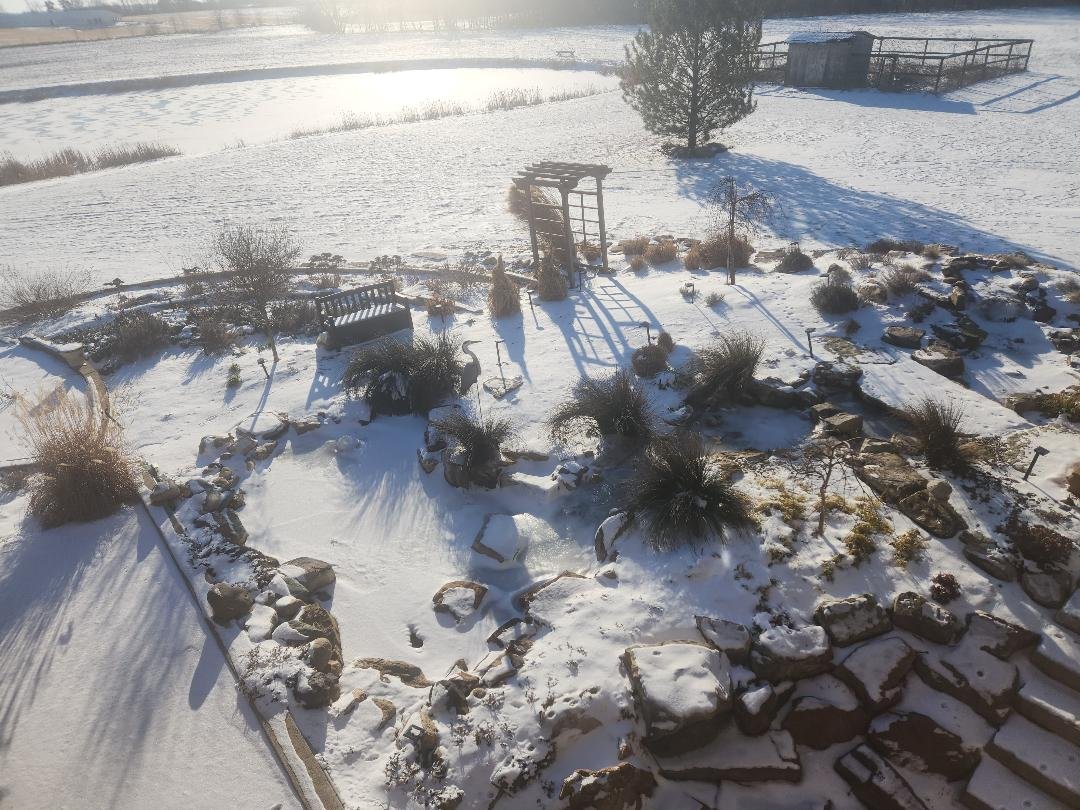
Last night was an historic evening here in Indiana when the Hoosiers won the National College Football Championship. This Boilermaker tips his hat to them as I enjoy my coffee and gaze across the frozen tundra that is our backyard landscaping. If the weather models are right, we’re in for a monster storm this weekend, so this morning I’ll enjoy the sun from the kitchen with a hot cup of coffee.
As I watched the celebrations on television and social media, I kept thinking about the secret behind Coach Cignetti’s success. That’s when it occurred to me: I once treated my own “secret sauce” very differently — and it likely cost me business and contributed to the downfall of an entire feeding program.
In agriculture, we’re wired to teach. We host field days, swap ideas over tailgates, and explain everything we know to anyone who asks. We call it helping — and we’re proud of it. It’s part of our culture, part of our identity, and for the most part it’s been a strength.
But teaching has a boundary, and I learned the hard way what happens when you ignore it.
I spent years working in an environment that valued relationships and transparency. We told the world exactly what we used — the ingredients, the suppliers, the backstory, all of it. We even went so far as to name the products and suppliers in our marketing materials and presentations. We were “Intel Inside” without the exclusivity of “Intel Inside.”
At the time, that approach built credibility and made sure our “friends in the industry” were compensated and recognized. It was considered the right thing to do.
But as the industry evolved, that same transparency started to erode credibility and profit potential. What had once been reputation-enhancing became nothing more than giving away the playbook. Instead of projecting technical aura, it revealed supplier relationships that were sometimes outdated and rarely strategic.
When I eventually recognized the shift — and realized those “friends in the industry” weren’t helping me anymore — I began changing how I talked about our work. I shifted from “A blend of A from X, B from Y, and C from Z” to “a blend of ingredients designed to…” I replaced brand names with words like “supplier,” “partner,” and “source.” It wasn’t about secrecy — it was about modern business boundaries and preserving expertise.
That’s when I ran into the cultural resistance.
Supplier diplomacy inside the company outweighed sales strategy, and protecting feelings outranked protecting revenue. We couldn’t risk offending our “friends in the industry,” even if those friends were also selling their “secrets” to our competition.
Eventually, I had to accept that the industry had shifted, and so had the rules for preserving value.
And here’s the part that sticks with me:
Agriculture doesn’t just give away the playbook at the farm gate. We do it geopolitically. We exported soybean genetics, planting techniques, fertility programs, pest management, and infrastructure under the banner of feeding the world. In the process, we taught our largest soybean competitor how to beat us — and congratulated ourselves for the progress.
We didn’t just transfer commodities; we transferred capability. We handed over the technical aura of U.S. soybean production in the same way we once handed over our supplier lists — with the best of intentions and the worst of outcomes.
Transparency builds trust. Total transparency destroys margin.
So here’s what I’m wrestling with this morning:
Where else are we applauding our generosity while someone else quietly takes our margin?
Patio Pondering: Silos are for Livestock Feed, NOT People
My friend and I took different paths, but we ran into the same wall. The minute your skill set stops being easy to label, organizations stop knowing what to do with you.
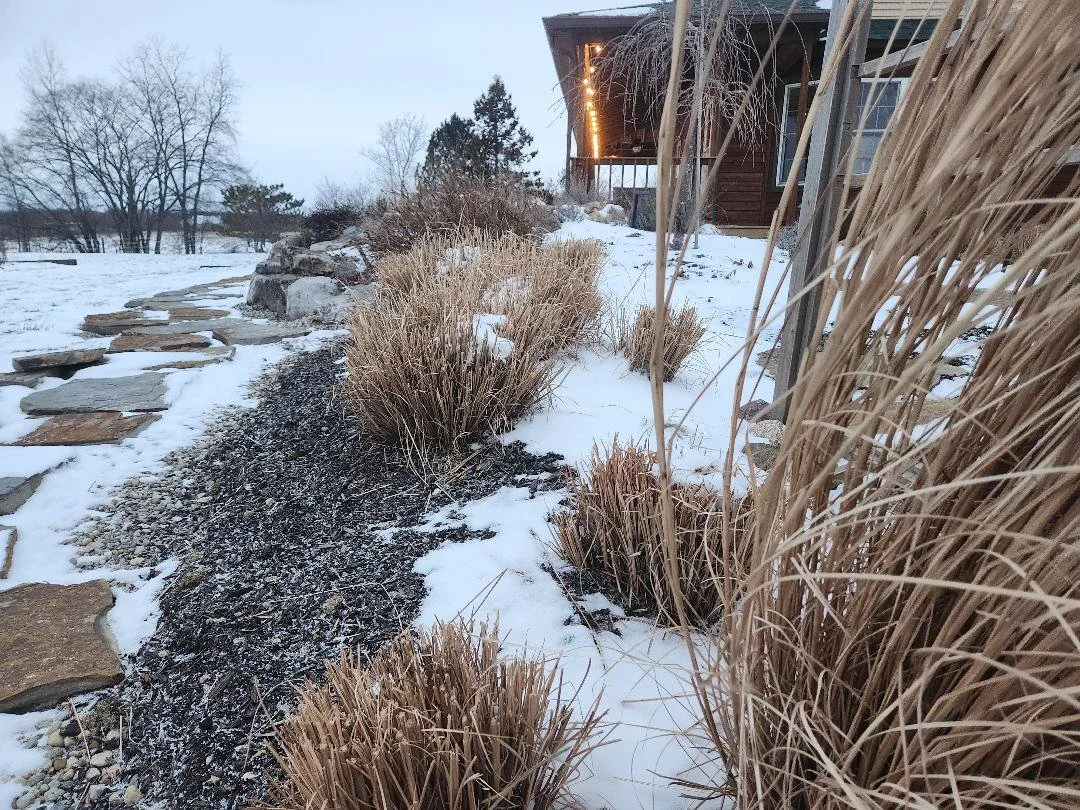
A cloudy, cold morning here in NE Indiana with bouts of light snow punctuates that we are in the heart of winter. This morning the coffee hits harder as I gaze over the patio, and so did a conversation I had the other day at the Fort Wayne Farm Show. Funny how a quiet sunrise with a hot cup of coffee can resurrect the things we would rather ignore.
I ran into an old hand at the Fort Wayne Farm Show, a feed-industry salesperson who has been doing the dance longer than most. It did not take long before our conversation drifted toward the frustrations of being the face of the company while having almost no control over the parts that matter. Delivery delays he could not fix. Commission structures that shifted without explanation. Accounts reassigned because he did not fit neatly into some internal team structure. None of that surprised me. I have heard the same complaints my entire career in the feed business.
What caught my attention was not the complaints themselves, but the pattern underneath them. Take trucking, for example. He was frustrated about getting product where it needed to go, on time. As we talked, it became clear he was a victim of his own competence, ordering early, ordering big, and covering for weaknesses upstream. In other words, he made it look easy. And when something looks easy, internal leadership assumes it must not be that valuable. That is how being good at your job quietly turns into being an easy target.
The more we compared notes, the more obvious it became that his experience is not unique and it is not limited to one company or one corner of ag. I have heard the same story across species, across sales structures, and across management styles. The details change, the pattern does not. Companies punish competence, reward compliance, and silo people instead of leveraging them.
That is where our conversation hit home for me, because that is exactly what I have been wrestling with, the problem of being more than one thing. I am not just a Swine Nutritionist. I am not just a researcher. I am not just a farmer. I am not just a consultant, writer, or podcaster. I cross disciplines because agriculture forces us to, and because that is where the real value sits. But outside the farm gate, most companies do not know what to do with people who do not fit into a single category. They prefer tidy silos over messy talent, and then they lose talent because people either leave or never quite fit those silos in the first place.
My friend and I took different paths, but we ran into the same wall. The minute your skill set stops being easy to label, organizations stop knowing what to do with you.
Makes you wonder how much talent we bleed in ag because we expect people to be simple when the job is not.
Patio Pondering: I Do Not Consent
Farmers will share data, we always have, but the price of that data should be mutual respect, transparency, and a seat at the table. Not gaslighting. Not binary thinking. And definitely not silence.
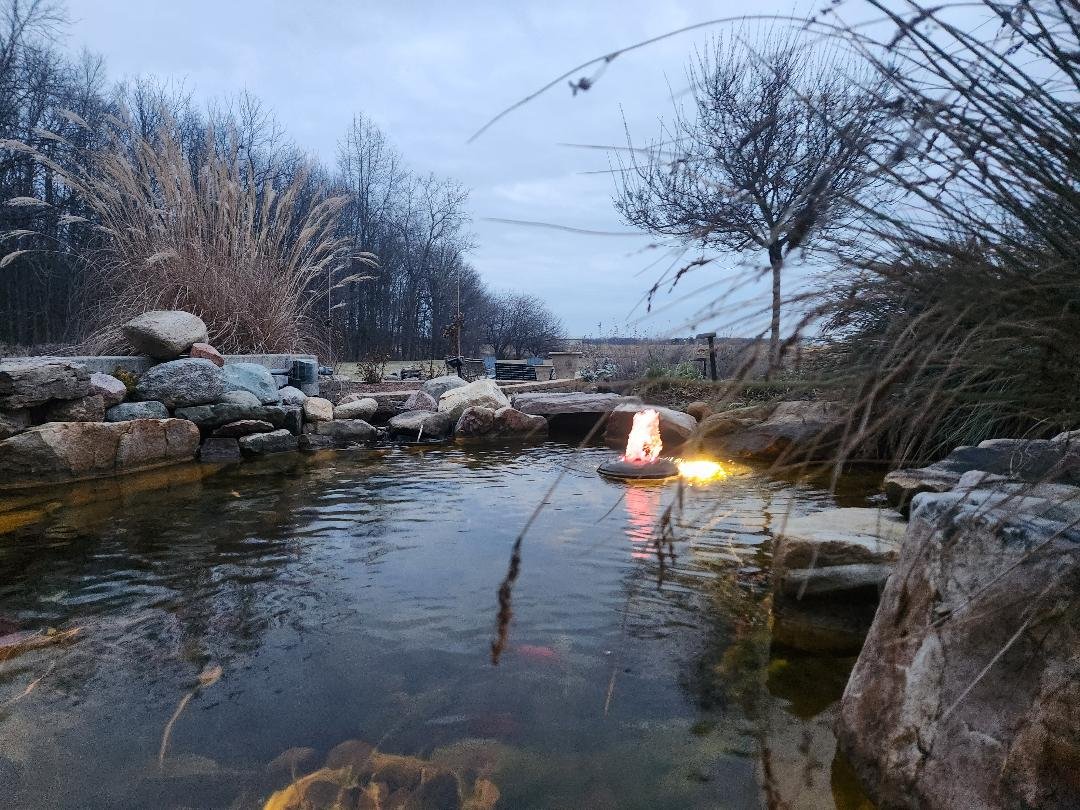
I woke earlier than my alarm this morning, my mind full of thoughts and ideas after a few conversations at the Fort Wayne Farm Show yesterday. I filled my coffee and made the Drop Off Run to the high school, enjoying the sunrise from the car seat, not the patio, this morning.
My thoughts about crop farming and my swine farming customers are more pointed today as profitability discussions are once again at the heart of every conversation. One ironic thought hit me while returning from the drop-off line: if you spend enough time scrolling social media, you will eventually run across First Amendment auditors or sovereign citizen types, the ones who declare “I do not consent!” when someone in authority gets too close for comfort.
It is easy to chuckle at those videos. But lately, I am starting to wonder if agriculture should not borrow a page from that playbook.
Because a whole lot of people in this industry keep taking our information, private, financial, operational, genetic, inventory, yield, and quietly building reports, datasets, and business models from it without ever once asking if the folks generating it actually agree to the terms. There is no opt-in in spirit. There is no informed consent in practice. And there is certainly no conversation.
This week’s USDA report was just the latest example. It blew up marketing plans, shifted prices, and lit every farm group chat on fire. But the most interesting part was not the report itself, it was the reaction inside our own house. Anyone who questioned the numbers was instantly gaslit as ignorant, emotional, or “too slow to market when you had the chance.” Others were told that if their local reality did not match the national model, then their reality must be wrong.
That is not debate. That is conditioning.
But let us be honest, this is not about a single WASDE release. It applies across the entire reporting ecosystem. Ask any hog producer how well the Hogs and Pigs report reflects modern contract barns, vertical integration, or genetic flows, and you will get a polite chuckle. Yet that report still moves futures and dictates income, using survey methods built for an industry that has not existed for twenty years.
Meanwhile, the private side is not much better. Ag retailers, packers, integrators, equipment companies, and software platforms collect more data on farmers than most farmers realize, field by field, animal by animal, bushel by bushel, and we rarely know how it is stored, shared, packaged, or sold.
There are checkboxes and signatures, sure. But informed consent, transparency, and a real conversation? Those rarely show up, and when producers ask, they usually get silence.
And this is where the gray area lives. Most of us assume that checking a box or signing a form means our data will be used for a specific, narrow purpose, like sharing yield maps with a seed dealer to compare hybrids. What we do not see is the part where that same data gets uploaded, aggregated, resold, or blended into county, state, or national assessments. We did not say “no,” but we never truly said “yes” to all of that either. It is in that foggy space where the blame game starts, and the industry falls back on “well, you should have known,” as if implied consent and informed consent are the same thing.
So maybe it is time we try something different. Maybe it is time agriculture learns to say, calmly and clearly:
“I do not consent.”
Not in the melodramatic YouTube sense, but in the quiet, serious, grown-up sense:
I do not consent to being an uncredited data source.
I do not consent to systems that profit from my information without transparency.
I do not consent to black-box reports that move markets but ignore the actual ground truth.
I do not consent to being ghosted when I ask basic questions about methodology, accuracy, or intent.
Farmers will share data, we always have, but the price of that data should be mutual respect, transparency, and a seat at the table. Not gaslighting. Not binary thinking. And definitely not silence.
Where in agriculture have we been giving consent without ever being asked, and how long are we willing to keep letting that slide?
Patio Pondering: Closed-Door Decisions, Open-Air Consequences
Farmers aren’t rattled because reality changed—they’re rattled because reality was redefined without their participation.
This morning is classic January in northeast Indiana—gray, chilly, and more dreary than dramatic. My coffee is in a travel mug because I’m headed to the Fort Wayne Farm Show to listen, learn, and take the temperature of agriculture heading into 2026.
If you’re in the ag world, you already know what yesterday’s WASDE and Crop Production reports did; they blew up more than a few marketing plans. The numbers were not mild, they were not expected, and they did not match what many farmers saw in their own combines last fall. You could feel the frustration ripple through group texts, merchandiser calls, and coffee shop conversations almost instantly.
But this Pondering isn’t about WASDE. It’s about what WASDE represents.
For crop producers, those reports aren’t academic, they drive markets, margins, and whether a farm has a fighting chance next year. Yet the people who will absorb the financial impact are the same ones who have zero input into the process. No visibility, no participation, no ability to offer ground-truth context. Just numbers from behind a closed door that redraw the playing field overnight.
And that dynamic isn’t unique to agriculture.
A lot of people live under systems that evaluate them, score them, or financially impact them without ever asking for their data, context, or perspective. Think about annual performance reviews written without observing the work. School scores based on tests no teacher designed. Corporate targets set by executives who never talk to customers. Different industries, same dynamic: decisions that affect your world made without your input.
Farmers aren’t rattled because reality changed—they’re rattled because reality was redefined without their participation.
So I’ll leave you with this: where are decisions being made behind closed doors that dictate your world; and what have you done lately to pry those doors open?
Patio Pondering: The Wabash Cannonball Incident
My phone, set to silent and sitting at my spot, was still Bluetooth-connected to my hearing aid. My ringtone, typical of a K-State Wildcat, was coming through loud and proud directly into my skull.
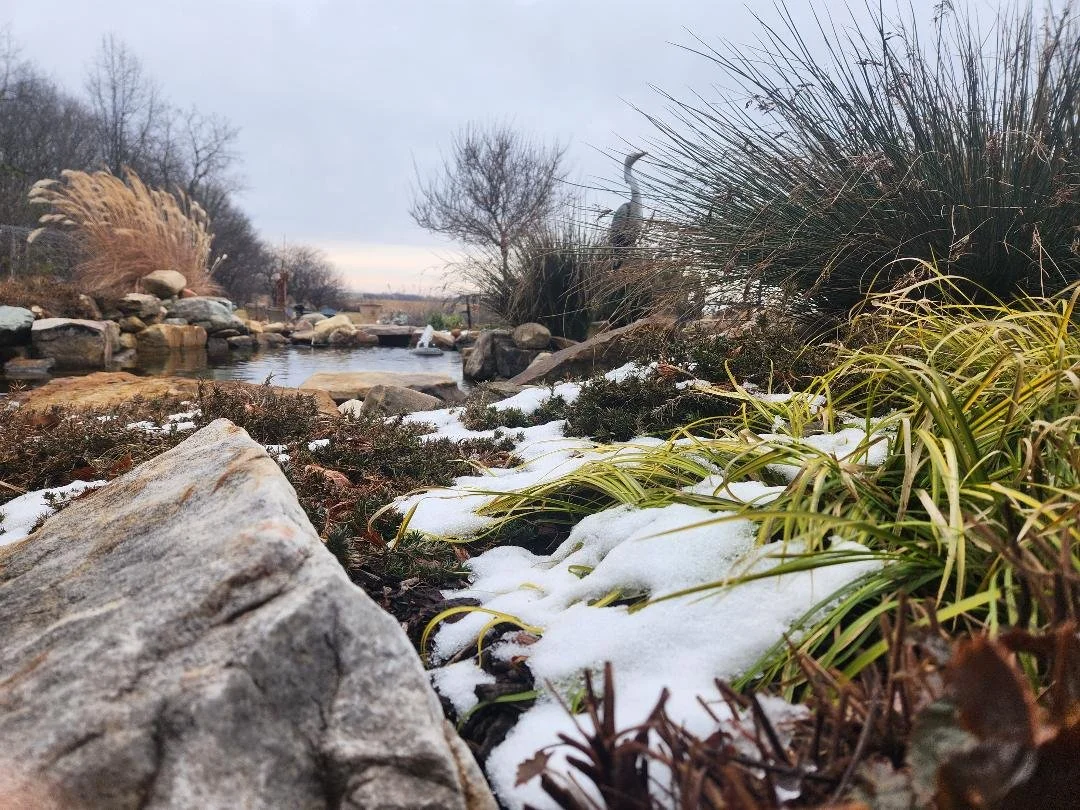
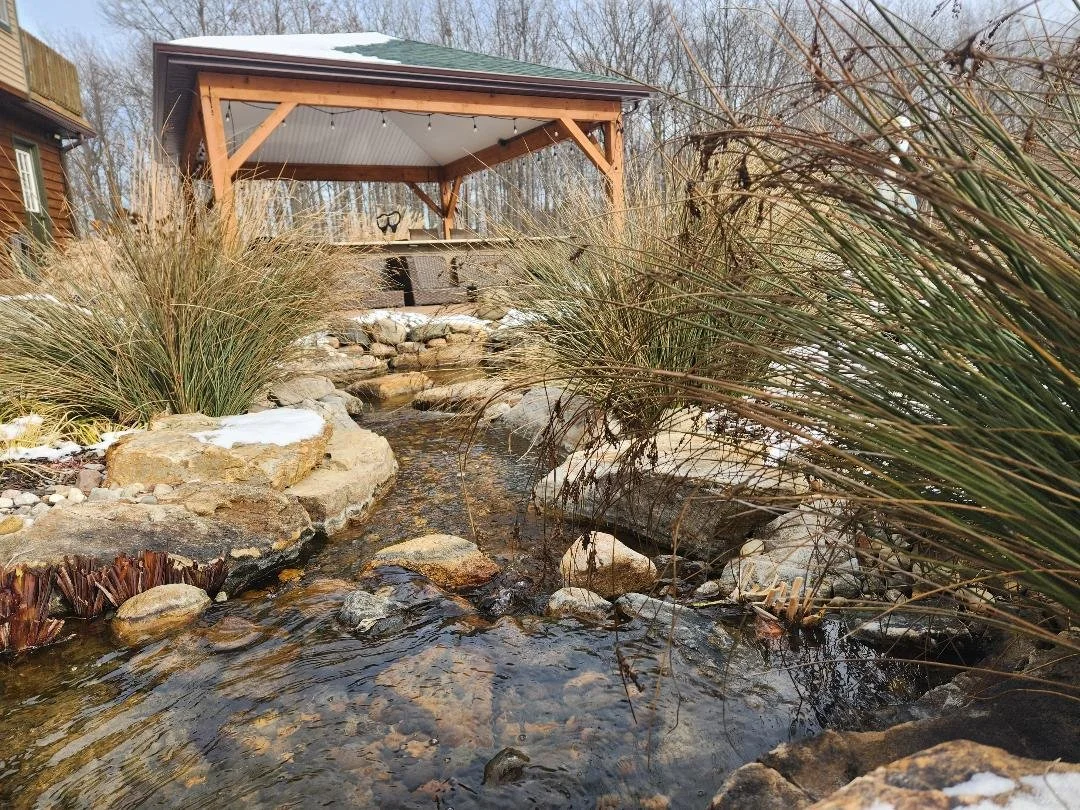
It dawned sunny here in NE Indiana, and I am actually enjoying my coffee on the patio: crisp air, water babbling through the backyard feature, the whole deal. I was somewhere between relaxed and reflective when my hearing aid buzzed and rang as a call hit my cell. That little interruption pulled a memory forward.
A few years ago I was standing in front of a room full of executives and sales teams talking about a new swine feeding program. I was mid-stride, outlining the features and benefits of the feeds I had designed, when I quietly froze. It was not visible to anyone else, but I knew it. The K-State Marching Band’s version of the Wabash Cannonball was suddenly playing in my ear.
My phone, set to silent and sitting at my spot, was still Bluetooth-connected to my hearing aid. My ringtone, typical of a K-State Wildcat, was coming through loud and proud directly into my skull.
I had a decision to make: rip out the hearing aid mid-presentation, or keep rolling and let my personal fight song fuel the talk, silently, for everyone else.
I let it play.
That moment taught me two things. First, silence the phone or remove the hearing aid before presenting. Second, and more useful, sometimes you simply have to keep going through internal distractions.
Like that old ad used to say: do not let them see you sweat. We all have our own “Wabash Cannonball” moments?
What internal distractions are you pushing through these days?
Patio Pondering: “Good Enough” and Other Lies We Tell Ourselves
But what happens when “almost works” doesn’t? When the Rube Goldberg setup in the shop costs more in time or parts than a proper tool would have? Or when someone actually gets injured using the wrong tool that technically worked… until it didn’t?
This morning dawned with high winds and rain. I shut off my early alarm because I hadn’t made it to bed until late. One strong cup of coffee finally snapped my eyes open to yet another dreary morning on the patio.
After this week’s reflection about “almost fit,” I finally pulled the trigger on one of the shirts that I know actually fits. There was a clearance sale on that style, so I stocked up with an online order of eight shirts in various plaid designs to maintain my Captain Plaid title.
As I stood at my closet, contemplating what to wear, I remembered the pile of new shirts sitting on the kitchen counter. I headed downstairs shirtless, ripped open one of the packages, and put one on. It was like getting a hug from an old friend. The shirt just fit.
Today’s reflection isn’t about giving you permission to finally do that thing you’ve always wanted. My experience with “finally” purchasing shirts that fit is more about how much we tolerate things that sort of work — tools, habits, clothing — things we make work, even if they aren’t quite right. We all have them in our closets, kitchens, and farm shops.
In many cases, those “almost fit” solutions do work, or at least seem to. More importantly, they save us from spending money or burning mental energy on replacing them. I’ve said it plenty of times: “I don’t need to spend the money because this gets the job done.” And in terms of my closet, those almost-fitting shirts covered me — mostly.
But what happens when “almost works” doesn’t? When the Rube Goldberg setup in the shop costs more in time or parts than a proper tool would have? Or when someone actually gets injured using the wrong tool that technically worked… until it didn’t?
What struck me this morning is that the mindset is the same across the board. We tolerate “almost” because it functions, because it feels thrifty, because replacing it means making decisions, and because there is always something more urgent to deal with. There’s a certain pride in making do, wearing the adaptation like a Merit Badge.
Yet the moment something actually fits, you feel the gap you’ve been tolerating.
In my case, the old shirts did their job, but these new ones give me the satisfaction of a correct fit. I don’t have to wrestle with short shirttails or sleeves that look borrowed from a younger cousin. Now I can pull some of the old shirts from my closet that I’ve tolerated over the years, regardless of how I paid for them. Unfortunately, my Captain Plaid affinity did not transmit to my sons, so there will be no hand-me-downs.
In our personal lives and workplaces, we know how much better things go when we finally use the right tool or the right fit. And yet we all have things we continue to tolerate that almost fit, almost work, almost profit.
So the question that lingered over my coffee was simple:
Why do we insist on tolerating almost?
Patio Pondering: Finding the Sweet Spot
It is easy to fall into one of two extremes. On one end is the “we never needed all these fancy gadgets” mindset. On the other is the belief that we must have every available tool to stay competitive. Neither extreme leaves much room for thoughtful decision-making.
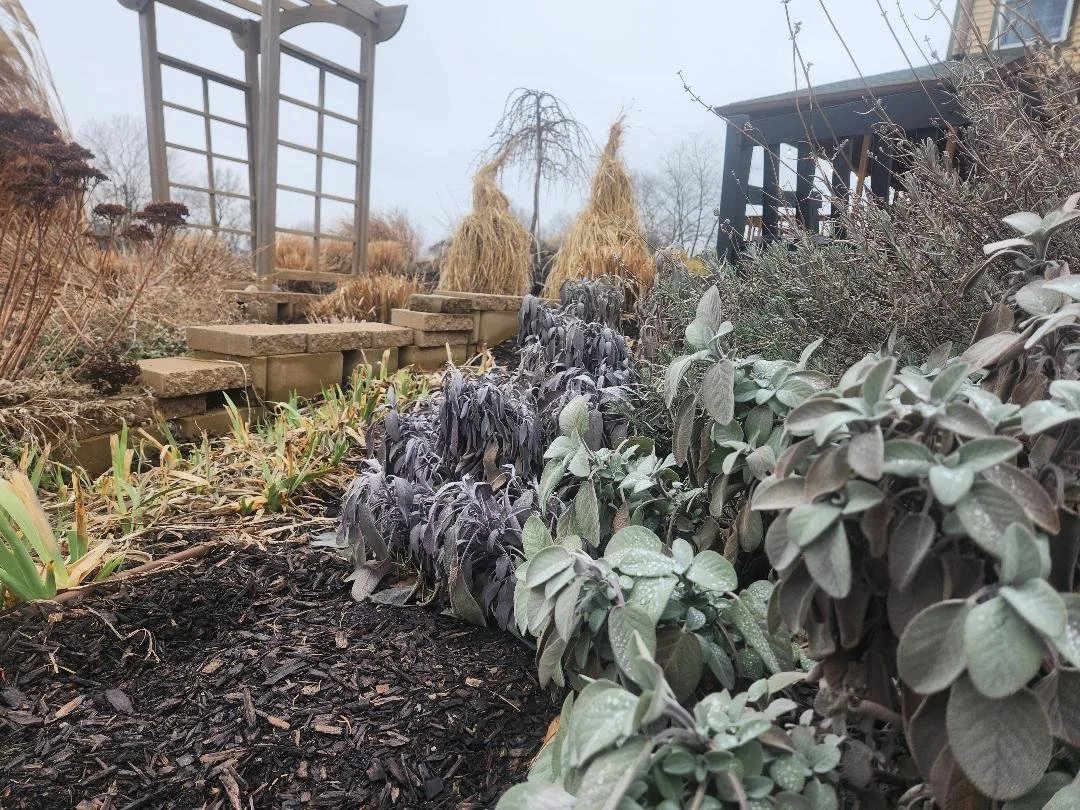
It is another dreary day here on the patio in northeast Indiana. The kind of day where a strong cup of coffee is less about enjoyment and more about regaining a little momentum. As I watch the mist drift across the pond, my mind keeps wandering back to the shop and the winter maintenance projects waiting to be started. As I sit there, it strikes me that the questions I keep circling around are not unique to farming at all; they show up in nearly every business.
Winter has always been planning season. Time to evaluate what worked, what didn’t, and what might need attention before spring rolls back around. And as those thoughts were taking shape, one idea kept resurfacing: farmers love gadgets and new equipment.
That thought was reinforced when I turned on one of my go-to podcasts and listened to an interview with a planter technology dealer. The conversation revolved around the latest technology and tools that can be added to a planter, alongside discussion about balancing those investments with available capital and potential returns. Sensors, monitors, data streams, dashboards all promise more insight, more precision, and better outcomes.
As a scientist by training, that is where my curiosity — and my skepticism — kicks in.
What do we actually do with all that data? When a chart shows a clean line and an apparent correlation, is it truly a cause-and-effect relationship, or simply a coincidence wrapped in good graphics? Does the information change how decisions are made in the field, or does it just confirm what we already believed?
That question feels especially relevant today, on the eve of the Fort Wayne Farm Show, when the latest innovations, upgrades, and technologies will soon be front and center. It is the time of year when ideas are sparked, comparisons are made, and investment decisions start to feel both exciting and urgent.
None of that is meant as a knock on technology. Data can be incredibly powerful when it is understood, trusted, and applied with purpose. But data without discipline can just as easily add noise, complexity, and cost.
With margins tight and many commercial crop farmers facing losses, it is fair to ask whether multi-thousand-dollar investments per row can always be justified. Promotions and testimonials can be found to support nearly any purchase, but justification on paper does not always translate to improved outcomes in the field.
It is easy to fall into one of two extremes. On one end is the “we never needed all these fancy gadgets” mindset. On the other is the belief that we must have every available tool to stay competitive. Neither extreme leaves much room for thoughtful decision-making.
A disciplined operator lives somewhere between those poles, balancing investment with potential outcomes, tempered by available capital and the realities of their own operation. That balance looks different for every farm, every year, and every operator.
Which brings me back to the question I started with: do we need every gadget to raise a crop, or do we simply need to get the basics right? Or is there a sweet spot that can only be defined individually?
While this discussion revolves around crop farming, the same tension exists in nearly every business. How do you balance the pull between adaptation and restraint within the realities of your own operation?
There is no universal answer, and maybe there shouldn’t be. The important part is not keeping up with trends or resisting them outright, but making decisions that fit your land, your business, your finances, and your goals.
In the end, the best approach is the one that works for you.
Patio Pondering: Finding the Right Fit is a Challenge
In fact, last week, walking into Costco, my shirt tail had already started to pull out. Instead of fixing it, I resigned myself and finished pulling the rest of it free. Fortunately, the untucked look is still an acceptable option for middle-aged men.
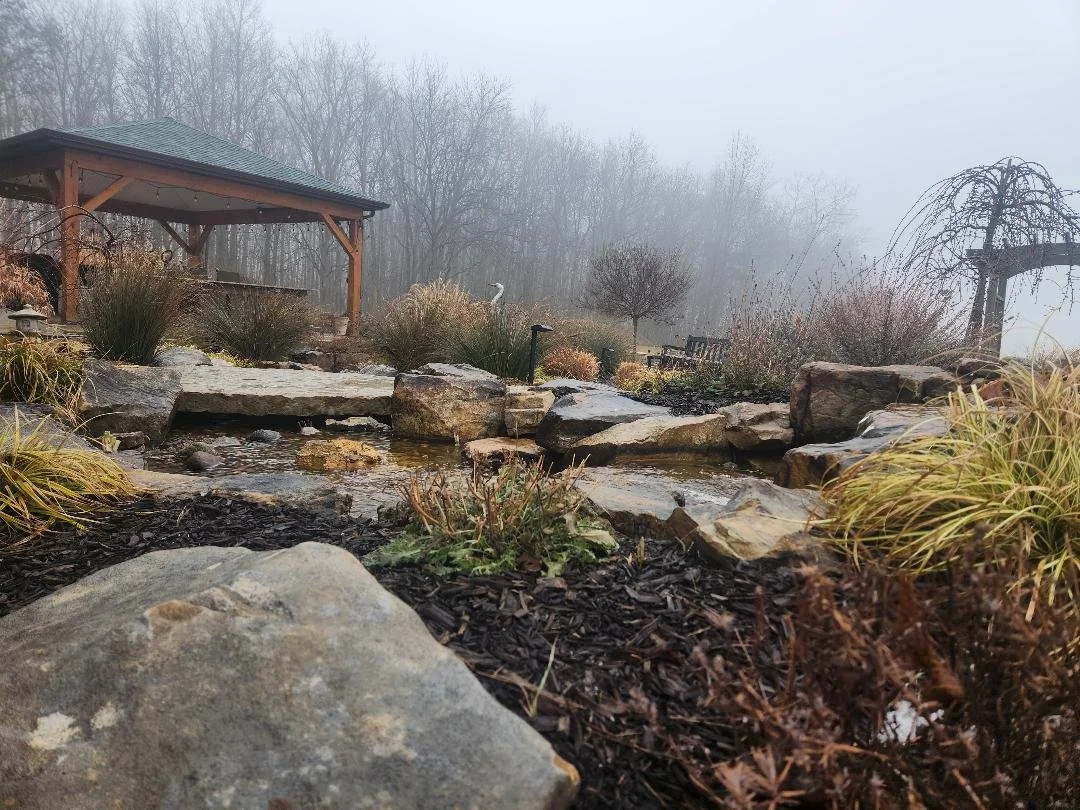
I’m enjoying my coffee this morning, gazing out over the patio and backyard from the dry comfort just inside the door. It’s fueling a thought that’s been floating around in my head for the past few weeks, a thought that greets me every morning as I stand in my closet preparing for the day.
I wear an XL shirt to fit my shoulders; larges don’t have enough room for the genetic gift from my parents. But finding an XL that fits me is a different story. Most XL shirts don’t have long enough tails, and they ride up as soon as I sit down or move around. We won’t even address the sleeves that never quite reach my wrists.
I have some shirts I really like. They’re my kind of plaid. They just don’t fit perfectly. So I plan around them: wearing them for a podcast recording where the shirt tail won’t be visible, layering them under a pullover or vest, or resigning myself to constant tucking. The thing is, I go through these same mechanics even with shirts that aren’t favorites. Managing the misfit has simply become part of my daily routine.
In fact, last week, walking into Costco, my shirt tail had already started to pull out. Instead of fixing it, I resigned myself and finished pulling the rest of it free. Fortunately, the untucked look is still an acceptable option for middle-aged men.
What makes this more interesting is that I do own shirts that actually fit. One style came from the clearance rack at Cabela’s. The other was a company shirt given to me as a trade show uniform. I found both of these online later and bookmarked them, sitting there quietly, waiting for me to pull the trigger. I’ve hesitated because they cost more than typical shirts and because buying them would require making room in an already full closet.
Whether it’s the expense, the effort required to purge, or simple comfort with “almost fits,” I’ve yet to push myself to replace what merely works with what truly fits. Unfortunately, this shirt conundrum may not be the only place in my life where I’ve made that compromise.
And I’m aware that avoiding the decision is, in itself, a decision.
Maybe today is the day I place that order and force a purge by making room for shirts that actually fit.
Patio Pondering: When Survival Gets Mistaken for Success
I cringe when I see local residents praise Dollar General as a sign of community strength. I see comments about how great it is, how lucky we are, how “we have such a great team” at our local store.
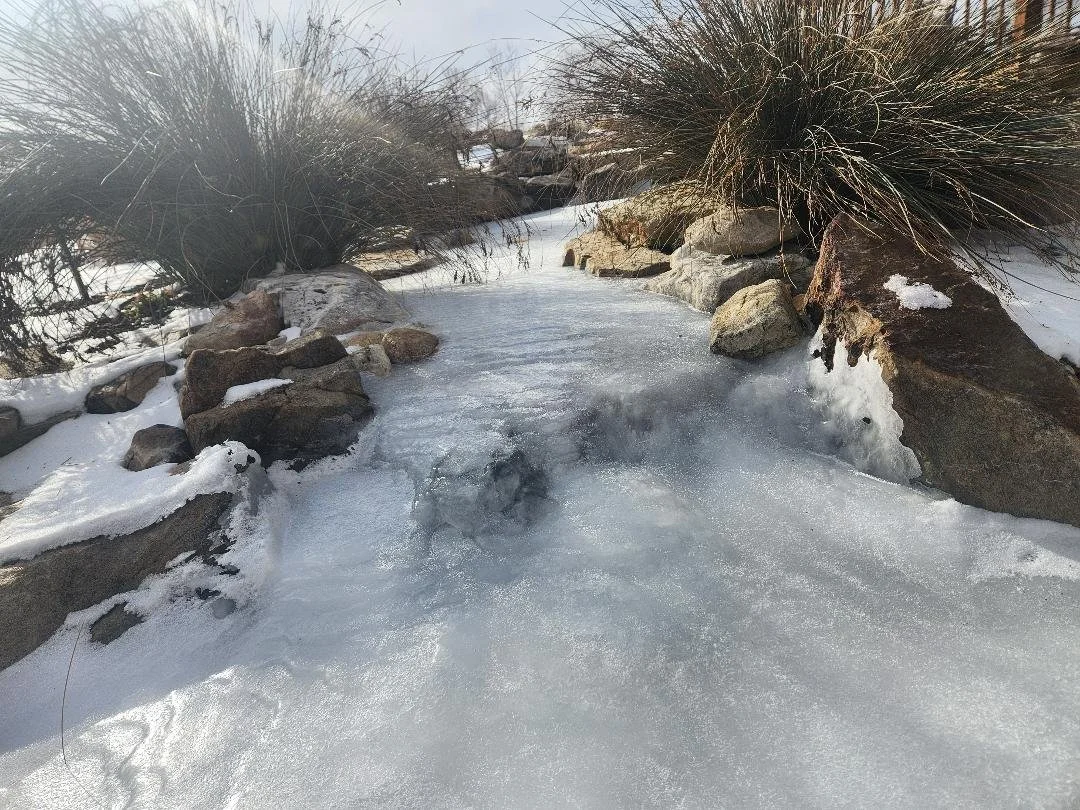
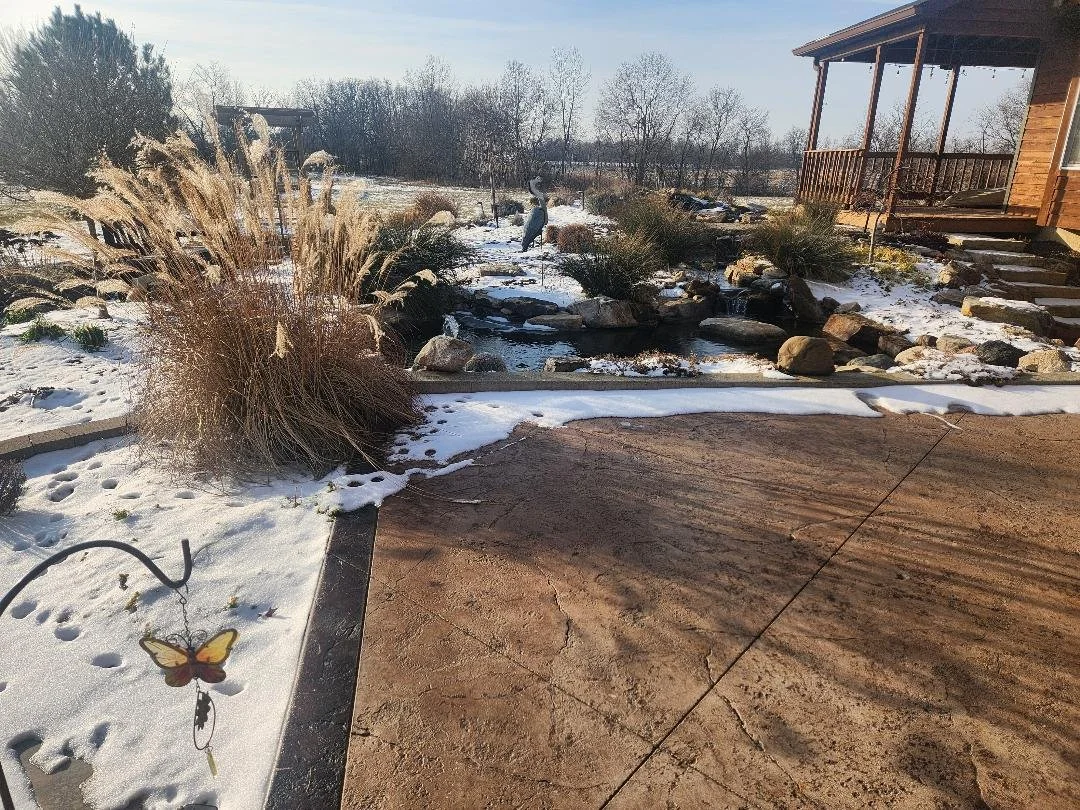
This morning dawned with two weeks of holiday havoc finally behind us. The first workday of 2026 arrived quietly. Sunlight skimmed across the backyard, keeping the ice at bay in the water feature, as I took the first sips of a strong, black coffee and let the day settle in.
I recently saw a post from the manager of our local Dollar General promoting the sale of candy bars to support the Dollar General Literacy Foundation.
Literacy matters. Education matters. I have thought about this promotion several times over the holiday season, after seeing it promoted online several times. The more I considered who was being asked to participate, the more uncomfortable it became.
There are two problems here. First, a multibillion-dollar company is asking poor communities to fund programs meant to help them. Second, it is doing so by selling low-nutrition candy to people who are already forced, by price and access, to buy too much low-nutrition food in the first place.
That discomfort connects to something else I have been carrying for a long time.
I cringe when I see local residents praise Dollar General as a sign of community strength. I see comments about how great it is, how lucky we are, how “we have such a great team” at our local store.
To be clear, I do not doubt the team. Those jobs are hard. Managers and employees show up every day, serve their neighbors, and take pride in doing the best they can with what they are given. That work deserves respect.
But praising the people should not require celebrating the system.
When a community begins treating the presence of a Dollar General as progress, it often signals something else entirely. It suggests that wages are thin, options are limited, and that convenience has replaced investment. It is not an indictment of the people who shop or work there. It is a reflection of how little margin the community has left.
Seen through that lens, selling candy to fund literacy is not generosity. It is a transaction that shifts responsibility away from corporate scale and back onto the people already carrying the weight. Literacy is a long-term investment. Candy-bar charity is a short-term gesture that makes the problem feel addressed without actually confronting it.
We should be able to hold two truths at once: respect for good people doing honest work locally, and skepticism of corporate models that profit from scarcity. Both things can be true. And pretending otherwise only makes it easier to confuse survival with success.
Patio Pondering: The Class of ’89 and Watching From the Right Side Up
I lived through my own version of Stranger Things, albeit without the Mind Flayer, Demogorgons, or Vecna. I had friends immersed in Dungeons and Dragons. Mid-1970s Camaros sat in the parking lot. I knew the unmistakable aroma of Aqua Net.
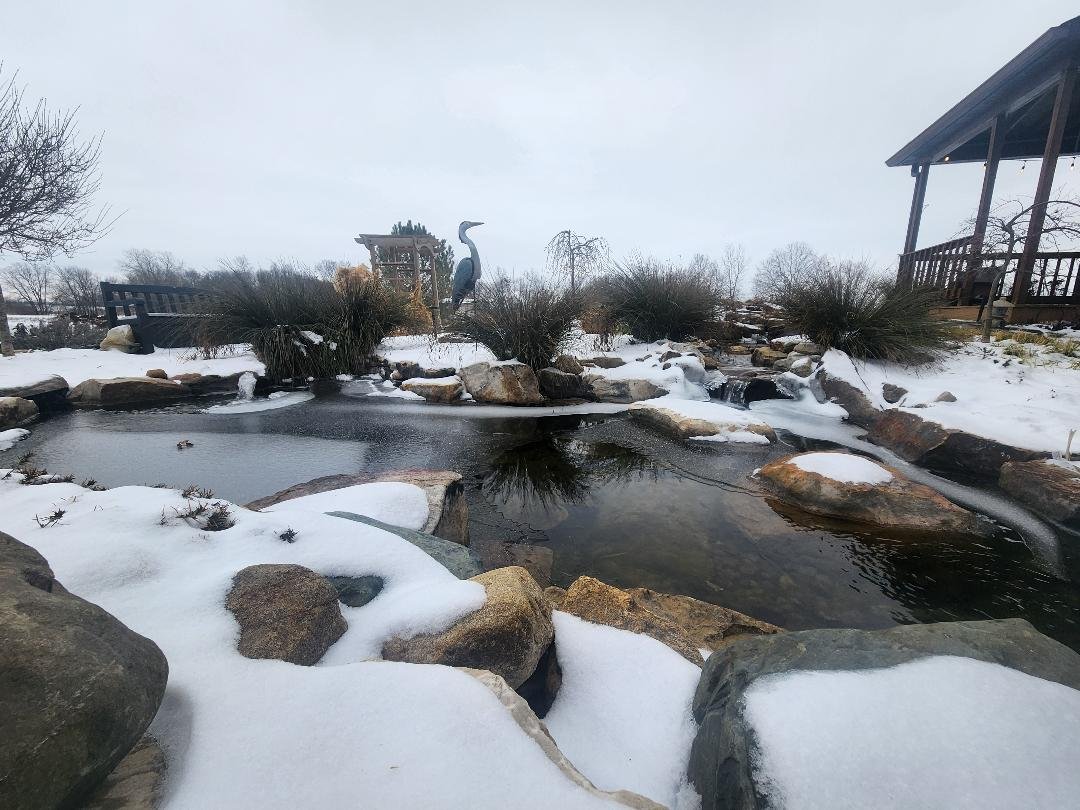
Today is a cloudy day here in northeast Indiana. The backyard landscaping is covered in snow, and our water feature is fighting off the freeze as it continues to bubble. The view from the patio is calm and peaceful as I enjoy my coffee.
This week marked the end of the Stranger Things series. As I watched the seasons unfold, something struck me. It was more than the 1980s references that we Gen Xers felt viscerally. It was more than the music. It was something else.
That something hit me in the waning minutes of the final episode when the words “Class of 1989” were spoken.
I was in the Class of 1989 at Northrop High School.
After the credits rolled and I started to process what we had just watched, the other shoe dropped. Stranger Things hit me so hard because I am now the age of the parents. Hopper. Joyce. Ted. Karen. They were all standing in the same place I find myself today, with children finishing their high school lives and beginning to spread their wings into college and “real” jobs.
I lived through my own version of Stranger Things, albeit without the Mind Flayer, Demogorgons, or Vecna. I had friends immersed in Dungeons and Dragons. Mid-1970s Camaros sat in the parking lot. I knew the unmistakable aroma of Aqua Net.
The bikes, the basements, the music were never really the point. What caught me off guard was realizing I am no longer watching the story from the seat of a kid pedaling home before dark. I am watching it from the porch, hoping everyone makes it home safely.
Maybe that is why this series lingered with me. Not because it reminded me of who I was, but because it revealed, quietly and almost unexpectedly, who I have become.
A Good Year on the Patio
No big pivots. No overnight success. Just steady progress, early mornings, and a lot of coffee.
That feels like a year worth being grateful for.
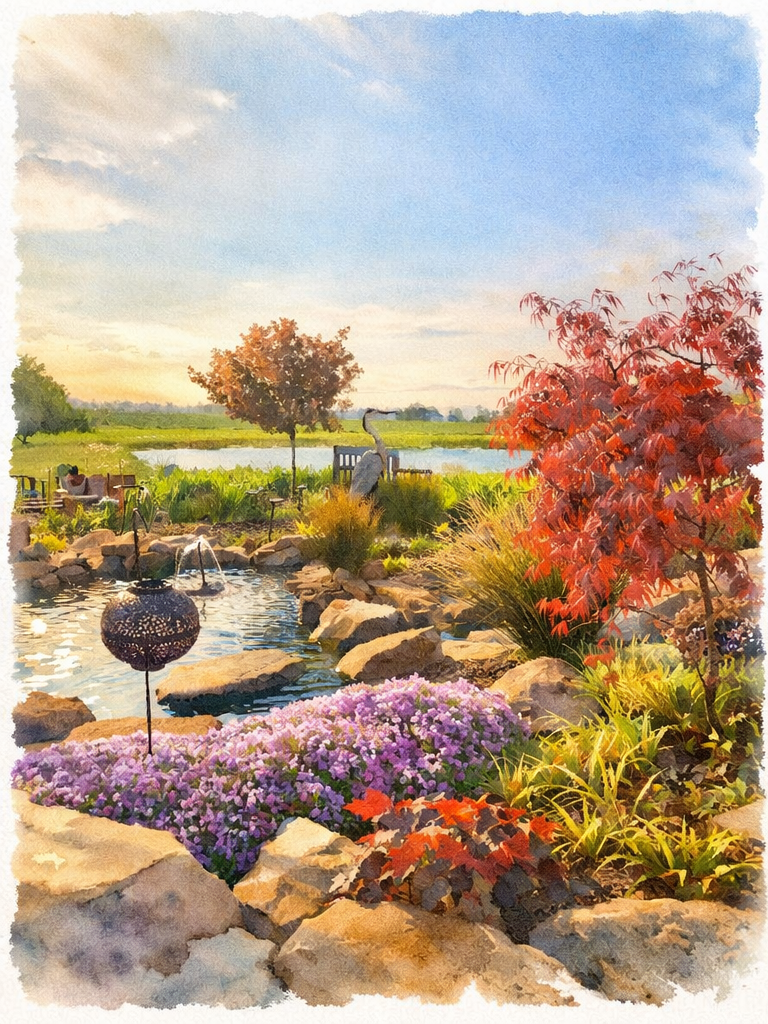
2025 was a good year on the patio.
I published 204 Patio Pondering reflections, released 57 podcast episodes that reached 7,055 downloads, and shared 18 reflections with readers of the East Allen Courier. Those numbers matter, mostly because of the work behind them.
Over the course of the year, the patio became a place to work through a wide range of thoughts and emotions. Some mornings were shaped by leadership, trust, and difficult decisions; others by fatigue, doubt, gratitude, or quiet resolve. There were reflections sparked by current events and others born from small, ordinary moments that lingered longer than expected. Some posts came from frustration, some from humor, and others from simply sitting still long enough to notice what was already there. Taken together, they reflect a year spent paying attention, asking honest questions, and learning to be comfortable without tidy answers.
This year pushed me to sharpen skills I was already using and learn a few new ones along the way. I became a better interviewer by listening harder and talking less. I learned more about editing and audio production than I ever expected, and I got more disciplined about the craft behind the conversations.
Those skills showed up most clearly in the conversations themselves. I interviewed longtime friends, new connections, and some of the most recognizable voices shaping agriculture today. I had guests cry, push back, and laugh. Conversations ranged from industry-wide challenges to deeply personal reflections, often sparked by a simple question that led to “that’s a great question” or “I’ve never thought about that.” Whether across the table from trusted friends or nationally respected voices, the goal remained the same: create space for honest conversation and memories, both good and bad, to surface.
I also began consulting work on projects both domestically and internationally, including a ten-day trip to China helping pig farms work through grow-finish challenges. All of this unfolded as I continued to sort through where I fit in an ever-changing agriculture and livestock industry, one that is clearly evolving, sometimes faster than the roles and paths available to people shaped by experience, curiosity, and perspective.
Like any good operation, I added and refined tools. New microphones and software upgrades joined the mix, along with AI as a partner for editing, organizing, and publishing. The thinking, writing, and conversations still start the same way they always have: with time, attention, and curiosity.
Before the end of the year, we added recording equipment for a planned expansion into memory-focused interviews, starting close to home and capturing stories and experiences from relatives before they are lost to time.
Patio Pondering continues to be a place to slow down, think out loud, and tell stories rooted in agriculture, work, family, and place. Any growth this year rests on friends who showed up when I needed encouragement, a network willing to listen and share ideas, and most importantly, my family, who makes the early mornings, long conversations, and quiet moments on the patio possible.
2026 will bring more reflections, more guests, harder questions, and more emotion, as we continue to enjoy the words, sounds, and moments that unfold here on the patio.
No big pivots. No overnight success. Just steady progress, early mornings, and a lot of coffee.
That feels like a year worth being grateful for.
— Jim
Patio Pondering: Unbreakable Walls and Redirected Energy
Over the years I have revisited this wall repeatedly, often finding only information I already had. This past weekend, with the help of modern research tools and a little AI assistance, I decided to give it one more serious push.
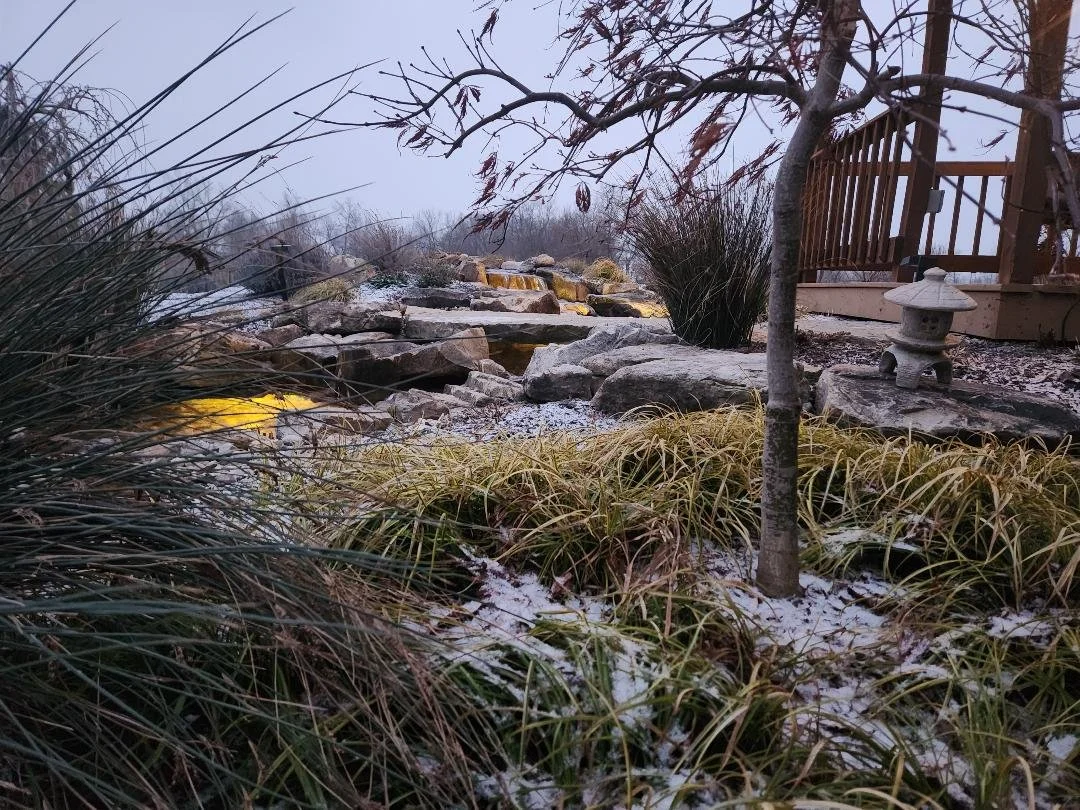
The weather forecasters were right. This morning is dawning just below 20 degrees after pushing past 50 yesterday. I am grateful for hot, strong coffee as I watch the sun rise over the patio and gather my thoughts.
One of those “tell me something about yourself that no one knows” icebreakers we all endure would reveal that I am an advanced amateur genealogist, an interest passed down from both of my grandmothers. Anyone who digs into family history long enough becomes familiar with “brick walls” — ancestors where the records simply stop.
One of my longest-standing brick walls has followed me for more than two decades. My third great-grandmother, Maria Anna Geiger, and her daughter Sophie emigrated from the Kingdom of Württemberg to the United States in 1866. Sophie eventually settled in Allen County, Indiana. I have her baptism records, but for Maria Anna, the trail ends abruptly. No birth record. No marriage record. Nothing.
Over the years I have revisited this wall repeatedly, often finding only information I already had. This past weekend, with the help of modern research tools and a little AI assistance, I decided to give it one more serious push.
The wall did not move.
What did change was my understanding. As I dug deeper into the political and religious realities of early-1800s Württemberg, it became clear that some lives simply did not leave clean paper trails. Marriage was regulated by the state, and without land, money, or status, many couples could not legally marry. The church recorded what it could, but it was not the judge. Some families lived their entire lives largely undocumented, not by accident, but by design.
That realization allowed me to finally move this brick wall into a new category: unbreakable. And strangely enough, that acceptance was freeing. I no longer feel the need to attack it every time I sit down to work on my family tree. The frustration is gone, replaced with calm.
A few days later, I recognized that same feeling from other moments in my career. Times when I finally accepted that a sale, a project, or an advancement was never going to happen. Removing those pursuits from the expectation bank in my head reduced stress and freed up energy for things that actually could move forward.
We all have brick walls in our lives — things we continue to push against long after the odds of success have dropped to near zero.
The hard question is this: when is persistence still wisdom, and when is it time to let go and redirect that energy somewhere it can actually grow?
Patio Pondering: When “Just Hit F8” Isn’t Enough
When those tradeoffs are not visible or well communicated, the delay can be misread. What feels like careful judgment on my side can look like inaction on someone else’s.
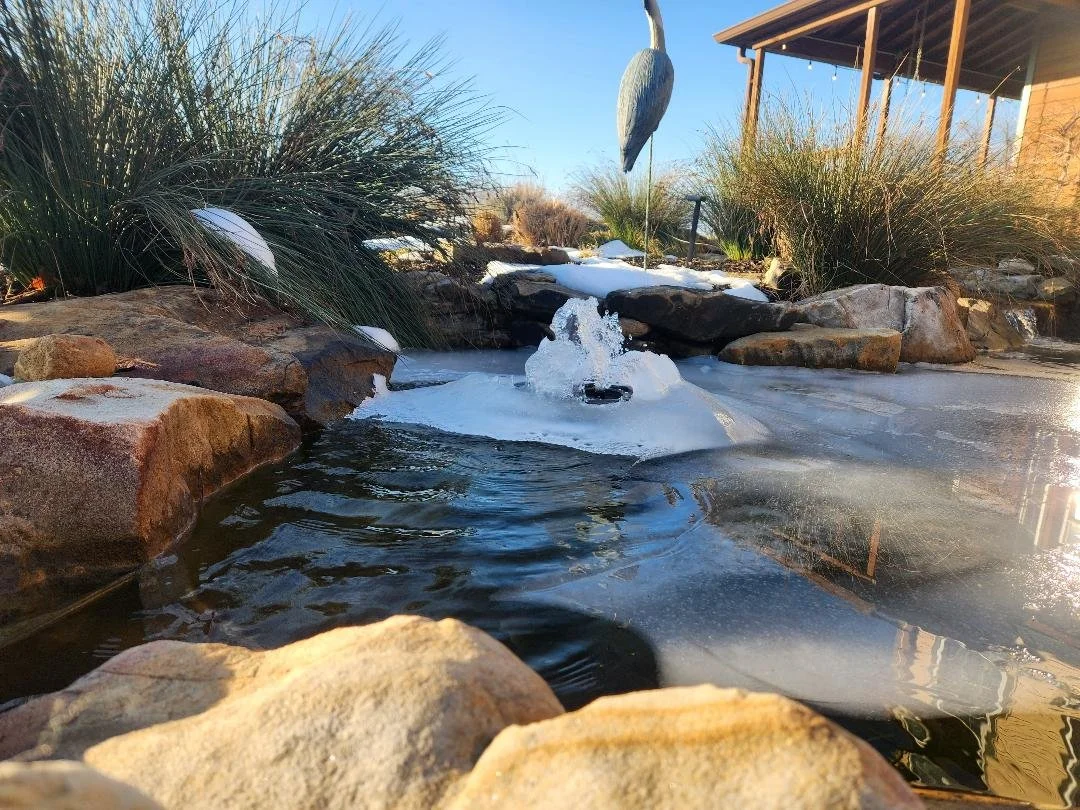
It is hard to believe we are in the last full work week of the year. Indiana weather is once again being crazy; our temperatures will push 50 today, then fall into the teens by tomorrow morning. I am trying to enjoy my hot cup of coffee as I distill a few thoughts. Before I sit at my desk, I am reflecting on the changes and realities of feed formulation I have experienced over the past 35 years.
Yesterday, I started beta testing a new formulation program for my friend @Marcio Gonçalves. Over the years, I have used many formulation programs to design feeding programs and products for pigs. I first used PC Spartan in ANSC 221 after we learned the Pearson Square in Dr. Tip Cline’s Animal Nutrition class at Purdue. Even then, I ran into obstacles when ingredients or requirements did not easily match the expected outcome.
Since then, I have used a blend of PC-based and cloud-based programs, some intuitive, others not, to meet the nutritional needs of pigs. Sometimes making those feeds was easy; other times I was stymied by something in the formulation. That issue could have been a vitamin level, a ratio that could not be met, or simply running out of room for all the needed ingredients.
Fixing those issues was the art of feed formulation, and sometimes the solution took time to resolve.
Here is the problem I faced many times over my career: many people do not understand what it takes to make a feeding program. It is not always as simple as putting in numbers and hitting F8. Many times, there are decisions that must be made to fit a program to a customer.
To be fair, many days feed formulation really is that simple. The ingredients line up, the requirements fit, the costs behave, and hitting F8 delivers exactly what you expect. Those are good days, and they happen often enough that it is easy to assume they are the norm.
The challenge is that not every day looks like that. And when it does not, the work shifts from numbers to judgment.
Sometimes ration weight breaks do not align with nutrient recommendations.
Sometimes a ration requires special ingredients with incomplete nutrient profiles.
In times of tight margins, I had to meet a specific ration cost even when it meant falling short of ideal nutrient targets.
The harder part was that very few people understood the intricacies involved in getting everything to work so that, when you finally hit F8, it actually worked. They only saw the final outcome, not the mental gymnastics required to balance rations and budgets to match the needs of that farm.
When those tradeoffs are not visible or well communicated, the delay can be misread. What feels like careful judgment on my side can look like inaction on someone else’s.
As we become more adept at using AI, formulation programs will continue to improve. We will get ration updates at the speed of light. Still, there will be times when you hit a brick wall. Those are the moments when expertise and experience matter most—when knowledge breaks through like the Kool-Aid Pitcher crashing through that wall to get the pigs fed.
What are the challenges in your life that others assume are easy, but really are not?
Patio Pondering: Production Numbers, the Phantom Menace
What are the phantom metrics you chase in your life — the ones you fixate on but never stop to question why?
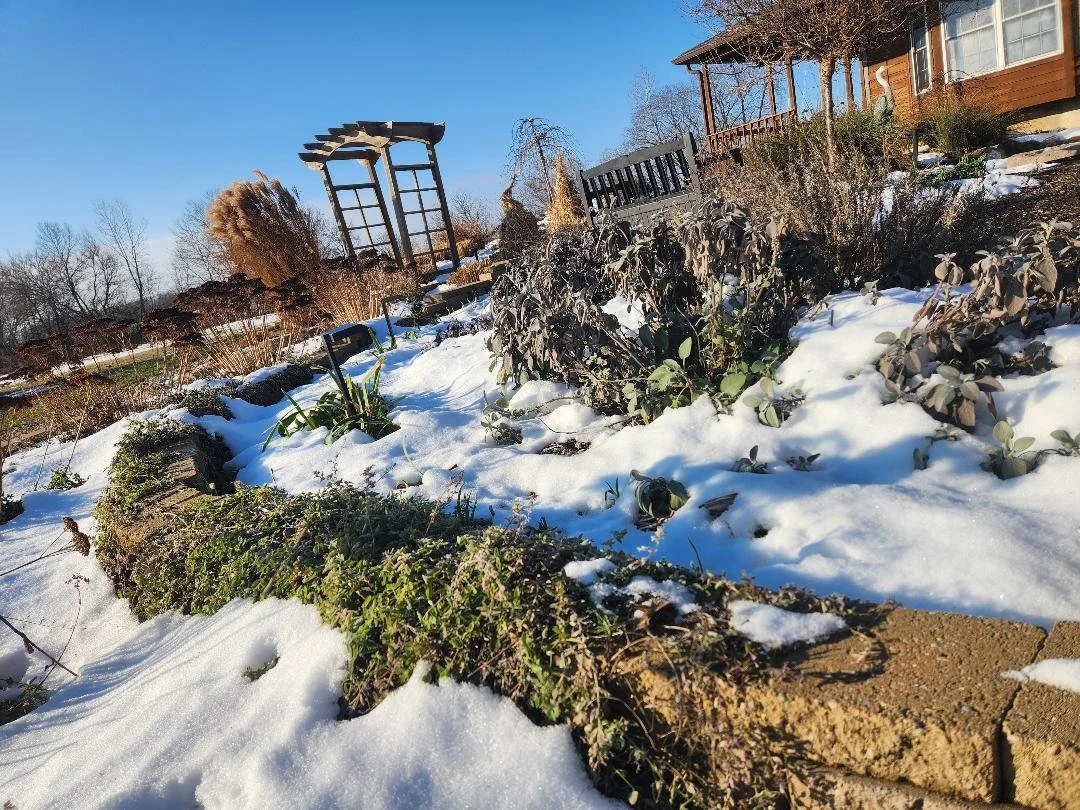
The sun is out this Friday morning in NE Indiana, even though another Alberta Clipper is headed our way. Before we get plunged back into the cold, I’m taking a minute to enjoy the view and a hot cup of coffee.
Over the past week I’ve thought about the artificial benchmarks we place in our lives — benchmarks we convince ourselves will magically fix everything in our lives, on our farms, or in our businesses.
When I traveled and talked with pig farmers in China, everyone told me the same thing: if they could just get a 2.3 feed conversion, their farms would be profitable and their lives easier. It didn’t matter what their operation looked like, what genetics they used, or where they purchased or manufactured feed. They all said 2.3. I heard it so many times I started dreaming about 2.3 feed conversion.
I think about hog farms here in the U.S. that repeat standard feed costs or production metrics as benchmarks for profitability, hearing the same numbers in different meetings across the country. They had fallen into the same trap the Chinese farmers had — believing that some metric, shouted by someone, was the magic number, the moment their farm would finally be perfect.
Unfortunately, in every case where these farmers repeated these benchmarks, each one had no clue about their own operations. When I asked about feed delivery records, the answers were vague. They didn’t have them. When I asked about closeout records, I got wishy-washy excuses about why they didn’t have those either. When I tried to discuss feed budgets and how closely they were followed, I usually got blank stares.
These farmers believed that if they just hit that magic number, life would be great — yet they had no understanding of the realities inside their own barns. And this isn’t isolated to pig farms. The same thing happens in the business world and in our personal lives. We convince ourselves that if we could just achieve this one thing, then everything would fall into place.
What are the phantom metrics you chase in your life — the ones you fixate on but never stop to question why?
Patio Pondering: When a Good Battery Is Actually Bad
I assumed I had what I needed, and that assumption sent me troubleshooting the wrong problem. I could have spent all morning trying different fixes with no hope of success.
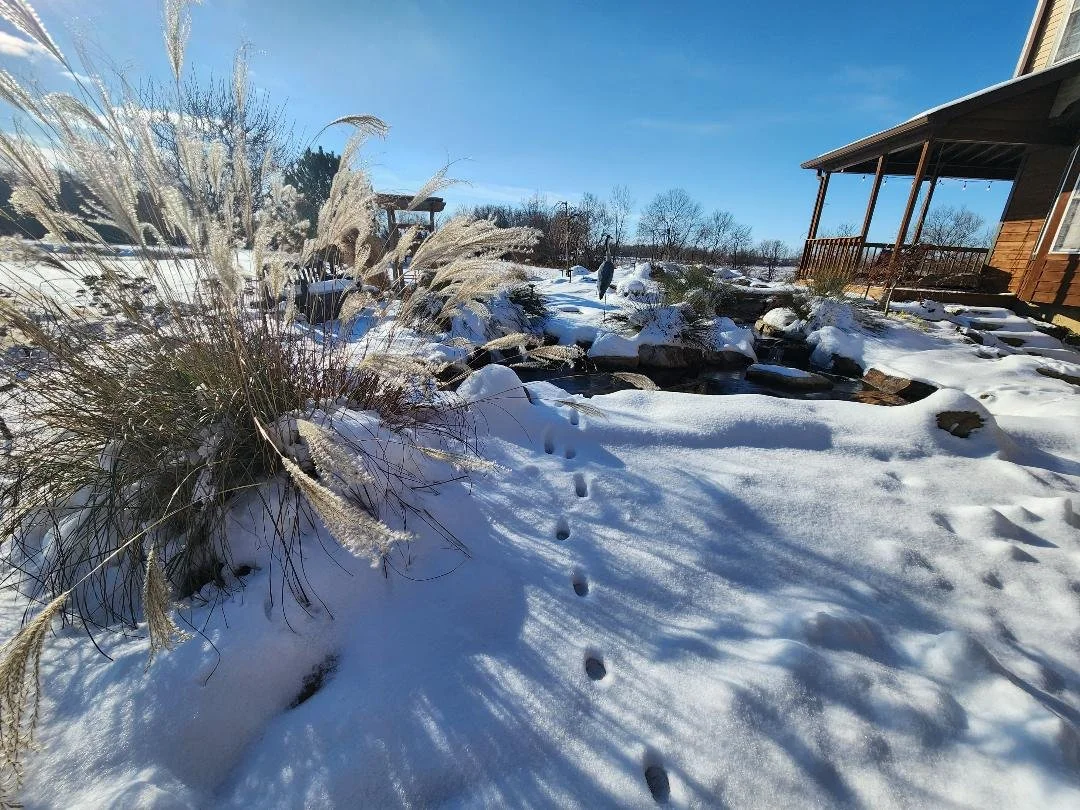
Another bright, sunny morning here on the Patio, sipping my coffee as I look over our snow-covered backyard. This morning my thoughts drift back to a simple “honey do” task I thought I finished yesterday and how it unexpectedly connects to the workplace.
Yesterday I replaced the battery in the garage door remote. We keep a battery cache with everything from tiny wafer batteries up to big D cells, so I grabbed a replacement 2032, put it in the remote, and went on with my evening.
This morning, when I left to take my son to school, the garage door did not budge. None of the buttons on the remote worked. My first thought was that I must not have reconnected the remote to the opener. No big deal. I planned to fix that after the school run.
When I returned home I tried to reconnect the remote to the opener, but after several attempts it still failed to connect. The Learn light kept flashing, a little reminder in my face that it was not working. After a few more tries, I headed into the house, grabbed the battery tester, and found the problem. The battery was dead. Caput. No juice.
The part that stuck with me was not that I used the wrong tool. It was that I trusted a bad one. That battery came from the “good battery” drawer, the place where the working ones are supposed to live, so I never thought to question it. I assumed I had what I needed, and that assumption sent me troubleshooting the wrong problem. I could have spent all morning trying different fixes with no hope of success.
It struck me how often this same pattern shows up in our teams. We assume the people around us have what they need, the skills, the clarity, the support, the bandwidth, simply because they are in the role or because they have managed before. We assume everything is charged and ready to go. But just like that battery in the good drawer, not everything that looks prepared actually is. And when someone on the team is running on empty, the whole system ends up troubleshooting the wrong problems.
Over my career I have been asked many times if I had the right tools to do my job and to support sales and my customers. Most of the time I did, but the ‘tool’ I needed most was a leader who had the charge, clarity, and capacity to guide the team forward, especially when our teams carried so many dotted-line responsibilities to essential parts of the business.
As we approach the start of a new calendar year, it is a good time to reflect on your teams. Rarely does a team fail because people do not care. More often they falter because someone was running on empty while everyone else assumed they had a full charge. Before the next project stalls, ask yourself: are you sure your people have what they need?
Another bright, sunny morning here on the Patio, sipping my coffee as I look over our snow-covered backyard. This morning my thoughts drift back to a simple “honey do” task I thought I finished yesterday and how it unexpectedly connects to the workplace.
Yesterday I replaced the battery in the garage door remote. We keep a battery cache with everything from tiny wafer batteries up to big D cells, so I grabbed a replacement 2032, put it in the remote, and went on with my evening.
This morning, when I left to take my son to school, the garage door did not budge. None of the buttons on the remote worked. My first thought was that I must not have reconnected the remote to the opener. No big deal. I planned to fix that after the school run.
When I returned home I tried to reconnect the remote to the opener, but after several attempts it still failed to connect. The Learn light kept flashing, a little reminder in my face that it was not working. After a few more tries, I headed into the house, grabbed the battery tester, and found the problem. The battery was dead. Caput. No juice.
The part that stuck with me was not that I used the wrong tool. It was that I trusted a bad one. That battery came from the “good battery” drawer, the place where the working ones are supposed to live, so I never thought to question it. I assumed I had what I needed, and that assumption sent me troubleshooting the wrong problem. I could have spent all morning trying different fixes with no hope of success.
It struck me how often this same pattern shows up in our teams. We assume the people around us have what they need, the skills, the clarity, the support, the bandwidth, simply because they are in the role or because they have managed before. We assume everything is charged and ready to go. But just like that battery in the good drawer, not everything that looks prepared actually is. And when someone on the team is running on empty, the whole system ends up troubleshooting the wrong problems.
Over my career I have been asked many times if I had the right tools to do my job and to support sales and my customers. Most of the time I did, but the ‘tool’ I needed most was a leader who had the charge, clarity, and capacity to guide the team forward, especially when our teams carried so many dotted-line responsibilities to essential parts of the business.
As we approach the start of a new calendar year, it is a good time to reflect on your teams. Rarely does a team fail because people do not care. More often they falter because someone was running on empty while everyone else assumed they had a full charge. Before the next project stalls, ask yourself: are you sure your people have what they need?

Patio Pondering: No One Is Indispensable, Even You
Operational rhythms are not going away. They are part of the business cycle, and they can create chaos or build resilience depending on how we approach them.
It snowed overnight here in NE Indiana, and the whole landscape is covered in a clean, white blanket as the morning sun hits the fields. My coffee is hot, and I am tucked into the Annex Patio trying to get back into the groove after travel and the holidays.
As I look out across the fields, I have been thinking about what I call our operational rhythms. These are the natural ebbs and flows of a team’s availability over the course of a year. People travel for work. People take PTO. There are conferences, family needs, sick days, and the crush of year-end responsibilities. No team stays at full strength for all fifty-two weeks.
A recent example is my own schedule. I spent ten days consulting in China and came home just in time to roll right into Thanksgiving. That back-to-back stretch would have created real challenges for any team I was part of, and it made me think about what leadership can do along with what each of us can do individually to prepare for those inevitable absences.
For leaders, the responsibility starts with building teams that can function smoothly when someone is gone. That means setting expectations early, making sure responsibilities are shared, and avoiding single points of failure. A leader can create a culture where stepping away is manageable or a culture where people feel like they must lug a laptop into a tent on vacation just to keep things afloat. I have seen that happen. I have done versions of that myself.
Employees also carry responsibility. This part is a little uncomfortable to admit.
Sometimes we do not prepare our coworkers for our absence because, deep down, being the only one who can do something feels good. It feels secure. It feels important. If I am the only one who can fix a problem, then I must be indispensable. I have fallen into that mindset before, and it helped no one, including me.
Looking back, I wish I had been better at making clean handoffs before I stepped away. I wish I had communicated more clearly about what might come up, what needed covered, and what could wait until I returned. Preparing others is not a burden. It is a responsibility that strengthens the whole team.
Operational rhythms are not going away. They are part of the business cycle, and they can create chaos or build resilience depending on how we approach them.
As we move through the year with its travel, PTO, deadlines, and life events, how do we prepare each other so the work continues smoothly and no one feels forced to carry the load alone?