Patio Pondering The Written Collection
What started as my daily coffee-and-keyboard ritual has grown into a collection of reflections on agriculture, leadership, and rural life.
From quiet mornings on my backyard patio to the lessons learned in barns, fields, and boardrooms — these writings capture the stories, ideas, and questions that keep me curious.
Take a moment to explore, and maybe you’ll find a thought or two that sparks your own reflection.
Scroll down to discover the stories and reflections from the patio.

𝐏𝐚𝐭𝐢𝐨 𝐏𝐨𝐧𝐝𝐞𝐫𝐢𝐧𝐠: 𝐆𝐨𝐬𝐬𝐢𝐩 𝐆𝐢𝐫𝐥𝐬… 𝐚𝐧𝐝 𝐁𝐨𝐲𝐬
This morning, I’m enjoying my cup of coffee as the sun peeks over the horizon. My thoughts are muddled, turning over a mix of things, most of them about the unfairness we all seem to run into: unfair rain coverage, unfair communication, unfair impressions.
Yesterday brought scattered rains to our area. At our place, we received three-quarters of an inch. The plants looked like they were breathing a sigh of relief this morning. Not everyone nearby was as fortunate, but we are grateful for what we received.
Lately, I have been thinking about how our industry is shaped by news, rumors, and “information” that comes from outside sources. Often, it lands hardest on the people actually doing the work. The ones raising pigs or planting crops are left reacting to decisions made far away.
A post circulating in my network this week outlined the characteristics of bad managers; it struck a chord. So did a conversation with a friend who shared how he approaches one-on-one meetings with his team. His consistent, open style made me reflect on how little of that I experienced in some of my past roles.
And more personally, I keep replaying a conversation with a former boss where Executive Team gossip somehow became truth. The lack of communication between us gave those rumors a foothold; it turned assumptions into conclusions.
With all those thoughts cooking in my head, I do not have a tidy message today. I am just doing what needs to be done, working through the hurdles in front of me, and keeping my eyes on what is next.

𝐏𝐚𝐭𝐢𝐨 𝐏𝐨𝐧𝐝𝐞𝐫𝐢𝐧𝐠: 𝐏𝐮𝐥𝐥𝐢𝐧𝐠 𝐖𝐞𝐞𝐝𝐬 𝐚𝐧𝐝 𝐏𝐮𝐥𝐥𝐢𝐧𝐠 𝐓𝐡𝐫𝐨𝐮𝐠𝐡
This morning I’m thinking about a phrase that gets thrown around a lot, especially among professionals: 𝘐𝘮𝘱𝘰𝘴𝘵𝘦𝘳 𝘚𝘺𝘯𝘥𝘳𝘰𝘮𝘦.
Over the weekend, I found myself working through the landscaping, pulling weeds—mostly grasses and other strays that had crept in where they didn’t belong. And as I crawled through the plants, tugging at those stubborn roots, I couldn’t shake some persistent thoughts of inadequacy.
It was that feeling again: Imposter Syndrome. The kind that creeps in when you're stuck between a nearly year-long job search and a corn crop that’s nothing short of disappointing.
You can call it whatever you want, but it often boils down to a quiet, nagging voice whispering: “𝘔𝘢𝘺𝘣𝘦 𝘺𝘰𝘶'𝘳𝘦 𝘯𝘰𝘵 𝘢𝘴 𝘨𝘰𝘰𝘥 𝘢𝘴 𝘺𝘰𝘶 𝘵𝘩𝘪𝘯𝘬 𝘺𝘰𝘶 𝘢𝘳𝘦.”
Pulling weeds, in a way, mirrored that process of tending to the emotional clutter. It’s not glamorous, but sometimes you have to kneel down and deal with what’s grown where it shouldn’t. Doubt. Frustration. Insecurity. Just like unwanted plants, they won’t go away on their own.
Maybe we all need a few Stuart Smalley moments now and then—when we look in the mirror and remind ourselves:
“𝒀𝒐𝒖’𝒓𝒆 𝒔𝒎𝒂𝒓𝒕 𝒆𝒏𝒐𝒖𝒈𝒉, 𝒚𝒐𝒖’𝒓𝒆 𝒈𝒐𝒐𝒅 𝒆𝒏𝒐𝒖𝒈𝒉, 𝒂𝒏𝒅 𝒅𝒐𝒈𝒈𝒐𝒏𝒆 𝒊𝒕, 𝒑𝒆𝒐𝒑𝒍𝒆 𝒍𝒊𝒌𝒆 𝒚𝒐𝒖.”

𝐏𝐚𝐭𝐢𝐨 𝐏𝐨𝐧𝐝𝐞𝐫𝐢𝐧𝐠: 𝐓𝐡𝐞 𝐏𝐨𝐰𝐞𝐫 𝐨𝐟 𝐚 𝐒𝐢𝐦𝐩𝐥𝐞 𝐐𝐮𝐞𝐬𝐭𝐢𝐨𝐧
This morning, a haze of fog draped across the fields surrounding our backyard. The sun streamed through it, casting an almost otherworldly glow across the patio and landscaping. My coffee mug is filled with a new roast today, a bold brew that packs more punch than my usual Maxwell House.
Yesterday, a friend commented on my post, “𝘚𝘭𝘰𝘸𝘪𝘯𝘨 𝘋𝘰𝘸𝘯 𝘵𝘰 𝘚𝘱𝘦𝘦𝘥 𝘈𝘩𝘦𝘢𝘥,”
and shared how he uses regular 1:1 meetings to help his team manage mental fatigue. What stuck with me was how he described those meetings.
In one part of his response, he said:
“𝘈𝘴 𝘢 𝘮𝘢𝘯𝘢𝘨𝘦𝘳, 𝘐 𝘩𝘢𝘷𝘦 𝘢 𝘴𝘵𝘢𝘯𝘥𝘪𝘯𝘨 1:1 𝘸𝘪𝘵𝘩 𝘦𝘢𝘤𝘩 𝘦𝘮𝘱𝘭𝘰𝘺𝘦𝘦. 𝘛𝘩𝘦𝘺 𝘭𝘦𝘢𝘥 𝘪𝘵, 𝘵𝘩𝘦 𝘢𝘨𝘦𝘯𝘥𝘢 𝘪𝘴 𝘰𝘱𝘦𝘯 𝘵𝘰 𝘵𝘩𝘦𝘮, 𝘢𝘯𝘥 𝘯𝘰𝘵𝘩𝘪𝘯𝘨 𝘪𝘴 𝘰𝘧𝘧 𝘭𝘪𝘮𝘪𝘵𝘴.”
Later in his message, he added:
“𝘐 𝘢𝘭𝘸𝘢𝘺𝘴 𝘣𝘦𝘨𝘪𝘯 𝘸𝘪𝘵𝘩 𝘵𝘩𝘦 𝘲𝘶𝘦𝘴𝘵𝘪𝘰𝘯: ‘𝘞𝘩𝘢𝘵 𝘥𝘰 𝘺𝘰𝘶 𝘩𝘢𝘷𝘦 𝘨𝘰𝘪𝘯𝘨 𝘰𝘯 𝘵𝘩𝘢𝘵 𝘐 𝘤𝘢𝘯 𝘩𝘦𝘭𝘱 𝘺𝘰𝘶 𝘸𝘪𝘵𝘩?”
Employee-led. Nothing off limits. That foundation jumped out at me. And that opening question, “What can I help you with?”, is a powerful signal of support and leadership.
It got me thinking: Why isn’t this the norm?
Why do we so often wait until annual review season, when tensions run high and conversations feel more like interrogations, to ask meaningful questions?
After 25 years in the industry, I’ve had more than one boss with the “you know your job, just do it” mindset. Even when I asked for regular conversations, I was met with silence, except at review time.
Now I see the cost of that silence: missed opportunities for support, wasted chances to problem-solve, and a lack of connection that hurts everyone — employee, manager, and the business.
We can talk about how these meetings help with mental health, offer space to understand challenges, and create room to celebrate wins. But for me, they simply show that the manager cares about being a leader, someone who is trying to get the best from their team.
As I reflected on my friend’s approach, I found myself asking what I’d say to someone who doesn’t get this kind of interaction from their manager. My answer was blunt: 𝑫𝒐 𝒚𝒐𝒖𝒓 𝒋𝒐𝒃 𝒘𝒆𝒍𝒍… 𝒃𝒖𝒕 𝒈𝒆𝒕 𝒐𝒖𝒕.
How have you been affected by regular, open communication with your boss? And if you’re in a leadership role, when was the last time you asked, “𝘞𝘩𝘢𝘵 𝘤𝘢𝘯 𝘐 𝘩𝘦𝘭𝘱 𝘺𝘰𝘶 𝘸𝘪𝘵𝘩?”

Patio Pondering: Slowing Down to Speed Ahead
This morning I am trying to enjoy my coffee as scattered thunderstorms march across the region and I am replaying the bevy of activities I had the past two days from funerals to podcast recordings to job interviews. All packed into about 36 hours.
The experiences of laying people to eternal rest, a finality balanced with the hope of a job interview seem to be somewhat of a Yin-Yang. Add to it the excitement of two very different podcast guests and my brain needs a few minutes to rest and reset. Coffee is helping but the thoughts keep rolling like the chyron at the bottom of a cable business network.
How do we as managers recognize when our employees need some "down time" to reset and recharge? What mechanisms do you have in place for your team to give them a few moments to relax their brains?
In a recent job interview the hiring manager talked about "Tech Days" where his team completely blacked out a day a month just for the tech team to do what they needed to do: summarize research trials, research topics, catch up on reading scientific journals, rest their brains. This concept seems like a great idea for teams that have many dotted-line responsibilities. As the personnel landscape continues to evolve we need to be receptive to running our offices differently, have flexibility in how people work, and be cognizant of mental fatigue that can debilitate an employee and a team.
I'm sitting here doing exactly what I'm writing about - taking a moment to let my brain catch up with everything that's happened. Maybe that's the answer right there. Sometimes the best thing we can do for our people is just give them permission to pause.
What do you think? How do you help your team reset?

𝐏𝐚𝐭𝐢𝐨 𝐏𝐨𝐧𝐝𝐞𝐫𝐢𝐧𝐠: 𝐈𝐧 𝐭𝐡𝐞 𝐆𝐫𝐨𝐨𝐯𝐞, 𝐎𝐮𝐭 𝐨𝐟 𝐁𝐚𝐥𝐚𝐧𝐜𝐞?
Yesterday was full—attending a funeral, recording two podcast episodes, and publishing another. By the time I looked up, it was 10:30 p.m.
As I wandered upstairs after shutting down my computer, I realized I had been working almost nonstop for hours. Not out of obligation or pressure, but because I was in the groove. Focused. Energized.
But that moment got me thinking: how many times in the past have I lost track of the sun or the clock while deep in the zone? And how often have I let that “groove” push aside everything else: my schedule, my health, or even my family?
There’s a fine line between productive flow and unhealthy imbalance. And I’m not sure I always know when I’ve crossed it.
How do you manage it?
When you’re deep in a groove, what pulls you back to center?

Patio Pondering: A Quiet Start to the Second Half
Good morning! Sitting here this Monday after Independence Day with my hot cup of coffee, enjoying the birds and insect sounds in our landscaping while catching up on podcasts - it's given me a few moments to reflect.
Usually something "big" jumps into my thoughts to spark a Patio Pondering. Today's quiet time hasn't dropped the seed of a big insight - it's just quiet time. Time for my brain to rest and reset as I prepare for two funerals this week.
My inspiration for starting the second half of 2025 comes from John Wesley's prayer:
"Do all the good you can, by all the means you can, in all the ways you can, in all the places you can, at all the times you can, to all the people you can, as long as ever you can."
Regardless of your religious preference, take these words as inspiration to be better, do better, and treat others better.
Here's to a great second half of 2025!

Patio Pondering: When Joy and Grief Share the Same Space
This is a bonus Patio Pondering because I needed to get this testament to our children and their hearts off my chest.
Last evening, we attended a graduation party for one of our good family friends. As with most gatherings with our "Fair Folk Family," I had conversations with adults, adult children, and children. We talked about adulting, the challenges of life, and the twists and turns our circles have taken as our children have grown, flown, and sometimes returned home for a season.
This morning, I could not shake a recurring scene I had witnessed during the celebration. A conversation between young adults, our children, who are just starting to build their lives. They are exploring their freedom, carrying both the joy and fear that come with independence.
But last night, some of their conversations were not about weddings, new jobs, or first homes. They were making plans to attend a funeral visitation. One of their contemporaries, Ryan, was struck down by that cruel, heartless beast called cancer.
These young people should be dreaming out loud about love, careers, and the next great adventure. Instead, their voices were muted, shaded by the weight of grief. They laughed as they scrolled through their camera rolls, remembering Ryan through pictures and stories. It was both beautiful and heartbreaking to witness.
Today and tomorrow will be too hot, both in temperature and emotion, for our community and for our Fair Folk Family. We are walking through the tension of two milestones: one a joyful beginning, the other a painful goodbye.
But maybe that is what life really is. A blend of the beautiful and the brutal. A celebration and a mourning. A dance between hello and farewell.

PATIO PONDERING: WHERE DID THE PROTEIN GO?
This morning I am enjoying my coffee from a commemorative Farm Progress Show mug from 1989 that was held not far from us in Rochester, Indiana. I think it's fitting that my thoughts are directly on soybeans and pigs. In 1989 there were a lot of pig farms in northern Indiana.
I'm writing this with two faces, like the "Ebony and Ivory" video done by Paul McCartney and Stevie Wonder back in 1982. On one side I'm a swine nutritionist and the other a soybean farmer.
Back in 1989 when feed companies displayed their wares at the Farm Progress Show, their rations revolved around high-protein soybean meal, standardized to 48% crude protein. In many cases at that time the levels of protein were well above that standard and sometimes even in the low 50s.
We were still in the era of Hog Con 40 from the co-op, GM Base from Kent Feeds, and a myriad of other "40% concentrates" for pig feeding. These blends of protein, minerals, and vitamins were standards on Midwest pig farms. Of course the feed companies liked the high crude protein soybean meal because they could add more cheap filler to make their concentrates.
Over my career as a swine nutritionist I have witnessed the decline in soybean meal crude protein content. In some parts of the Midwest the minimum standard for "high-protein" meal is now as low as 43%. There are a few reasons for this: drive for yield over quality by seed companies and the expansion of soybean farming farther north where growing season is shorter.
Recently several well-respected and highly knowledgeable swine nutritionists have been re-examining how soybean meal is beneficial to the pig. Recent trials are compelling in their results showing that the energy value of soybean meal is much higher than previously published. This is good for me as a swine nutritionist since energy, like choice white grease or corn oil, is expensive. If meal has more energy the diet is more energy dense for the pig, a good thing.
But is that just putting lipstick on a pig?
Are we ignoring the bigger issue that should concern soybean farmers and those that promote soybean products: Where did the protein go? After all we are taught soybean meal is a protein ingredient.
A ton of protein from soybean meal was about $425 in July, 1989, today it is about $600. Not a great value when you consider a farm needs more volume of soybean meal to get that same amount of protein in a feed.
If I had a portrait of my Ebony and Ivory, nutritionist/farmer face, both sides would be frowning. For all the successes in soybean production over the past 35 years, maintaining protein content is not one of them.
This isn't just about pigs and soybeans. It's about what happens when one objective is prioritized at the expense of another. Should we accept this and move on, rely on synthetic amino acids and other protein sources to perfect pig feeds? Or should we push back on the research chain to emphasize protein in soybean breeding?
With all the push for renewable fuels from soybean oil you'd think we would want to add value to the meal portion, not return to the days of it being a low-value by-product that needed to be gotten rid of.
Then again, maybe this is a paradigm shift the industry—and I—just need to accept and move on from.
Or maybe not.

𝐏𝐚𝐭𝐢𝐨 𝐏𝐨𝐧𝐝𝐞𝐫𝐢𝐧𝐠: 𝐂𝐥𝐚𝐫𝐢𝐭𝐲 𝐎𝐯𝐞𝐫 𝐀𝐫𝐠𝐮𝐦𝐞𝐧𝐭𝐬
This morning I’m reflecting on a conversation from this past weekend that could’ve gone sideways but didn’t.
It was a sunny Saturday afternoon at the Community Pavilion in the Huntertown City Park. We were at my niece's graduation party—a celebration full of blue and white, eighteen years of photos, and displays of achievements few earn in their short lives.
I sat at a well-used picnic table with my aunt, a staunch Democrat, and my dad, a red-hat-wearing MAGA supporter. And then there was me: right-leaning, but trying to use my brain, at least part of the time.
My aunt brought up Secretary Kennedy and started lamenting all the bad things he was doing as Secretary of Health and Human Services. As she launched into her soliloquy, I could feel the tension rising. My dad shifted in his seat. I knew where this was heading—I’d been here before, both as the instigator and the innocent bystander.
So I spoke up.
To my aunt, I said, “I don’t agree with much of your politics, but on this one, we’re in lockstep agreement.”
To my dad, I offered, “You don’t have to agree with everything a politician says or does just because you voted for them.”
That was it. No fireworks. No shouting. Just a moment of truth that seemed to short-circuit what was about to happen. We returned to celebrating my niece, talking about family members long gone, and having the conversations you expect at a family event, with everyone speaking with blue-stained lips from the bright blue frosting on the cupcakes we all enjoyed.
In our world of black and white, “Orange Man Bad,” and “I’m right, you’re wrong,” we should be looking for common ground. We should be promoting critical thinking—by all of us.
𝘞𝘦 𝘥𝘰𝘯’𝘵 𝘢𝘭𝘸𝘢𝘺𝘴 𝘯𝘦𝘦𝘥 𝘵𝘰 𝘢𝘳𝘨𝘶𝘦 𝘰𝘶𝘳 𝘱𝘰𝘪𝘯𝘵. 𝘚𝘰𝘮𝘦𝘵𝘪𝘮𝘦𝘴, 𝘢 𝘧𝘦𝘸 𝘩𝘰𝘯𝘦𝘴𝘵 𝘸𝘰𝘳𝘥𝘴 𝘢𝘵 𝘵𝘩𝘦 𝘳𝘪𝘨𝘩𝘵 𝘮𝘰𝘮𝘦𝘯𝘵 𝘢𝘳𝘦 𝘢𝘭𝘭 𝘪𝘵 𝘵𝘢𝘬𝘦𝘴 𝘵𝘰 𝘬𝘦𝘦𝘱 𝘵𝘩𝘦 𝘱𝘦𝘢𝘤𝘦.

𝐏𝐚𝐭𝐢𝐨 𝐏𝐨𝐧𝐝𝐞𝐫𝐢𝐧𝐠: 𝐓𝐡𝐞 𝐏𝐨𝐰𝐞𝐫 𝐨𝐟 𝐚 𝐕𝐢𝐬𝐢𝐭
This morning’s coffee on the patio doesn’t satisfy like it usually does.
Yesterday, my morning routine was interrupted by a phone call from a neighbor. I expected him to ask about a machine repair he’s been working on for me. But I was wrong. Instead, he told me that one of our renters had just passed away.
After the initial shock wore off, I drove up to the rental house. The driveway was blocked by EMS and two Sheriff’s cars. I joined three neighbors already there, quietly standing watch as the scene unfolded.
We’ve had that rental house for years. Steve and Jean have lived there for over a decade. Steve, the husband, has become a right-hand man for us, helping around the farm and keeping the mowing and weed trimming in check. While they paid rent, their value to us went far beyond a monthly check.
Watching first responders move in and out, seeing family arrive, and finally watching as Jean’s body was taken away by the local mortician, hit me with a wave of thoughts and emotions. But one thought kept repeating itself. It echoed yesterday’s Patio Pondering on being a good neighbor. I should have taken the time to visit with Jean.
I’ve written about this before, but some lessons are worth repeating. We need to make time for the people around us. My grandparents called it 𝘷𝘪𝘴𝘪𝘵𝘪𝘯𝘨. That meant stopping by for a quick chat. No big plans. No event. Just checking in. Just being present.
More important than anything you might talk about in those moments is what it says. You matter to me.
So, who in your life needs a visit today?

𝐏𝐚𝐭𝐢𝐨 𝐏𝐨𝐧𝐝𝐞𝐫𝐢𝐧𝐠: 𝐄𝐯𝐞𝐧 𝐭𝐡𝐞 𝐀𝐦𝐢𝐬𝐡 𝐖𝐚𝐭𝐜𝐡 𝐓𝐢𝐤𝐓𝐨𝐤
Several years ago, I had a neighbor call and say he needed help. He had hired someone to cut his field of hay, but their equipment didn’t work. So he asked if I could cut it with my equipment. I dropped what I was doing, headed over, and cut hay for him.
A couple of days later, he called again. He had started baling, but the baler he was using broke. He asked if he could use mine. I said sure, ran my baler over, and they got it hooked up to their tractor. I went about my business.
The next day, while they were finishing up, they called again and said, “Hey, come get your baler — it broke.”
So I headed over. My baler was parked, and it was broken. To be fair, it was built in the early 1970s.
I pulled it home, took the covers off, and started looking at what was broken. After a little searching online, I found the part I needed. The manufacturer wanted $444 for it. I remember that number clearly.
While I was working on it, I made a short TikTok video. I talked about how my neighbor had needed help, and how that’s just what neighbors do. I mentioned the $444 part, and wrapped up the video by saying, “The part broke, but I helped a neighbor; and that’s what neighbors do.”
What I didn’t expect was for that video to make the rounds in the Amish community like it was an Oscar-winning film. I thought I had been vague and anonymous. Apparently not. The community figured out exactly who I was talking about. And even though my message was about doing the right thing, that neighbors help neighbors, the video embarrassed them.
That neighbor hasn’t spoken to me since. Even after I apologized for unintentionally embarrassing them, they won’t wave or acknowledge me when we pass on the road or see each other at events.
There are a few lessons in this.
First, nothing is anonymous on the internet. Even the Amish will find your TikTok videos.
But more important than that, even when you're being neighborly, you still need to stay neighborly. That doesn’t stop when relationships get uncomfortable. It means showing up, being kind, and being willing to help, even after the side-eyes and silence.
If that neighbor had a serious problem, I’d still show up.
With all the hate in the world, we don’t need more grudges. We need more neighbors.

𝐏𝐚𝐭𝐢𝐨 𝐏𝐨𝐧𝐝𝐞𝐫𝐢𝐧𝐠: 𝐀 𝐒𝐢𝐦𝐩𝐥𝐞 𝐘𝐞𝐬, 𝐚𝐧𝐝 𝐭𝐡𝐞 𝐋𝐚𝐮𝐠𝐡 𝐓𝐡𝐚𝐭 𝐅𝐨𝐥𝐥𝐨𝐰𝐬 𝐓𝐫𝐮𝐭𝐡
This morning, while getting ready for the day before I even had my coffee and had a chance to sit on the patio and begin pondering, I had two thoughts. These are thoughts that I've had over the years but I've never really shared.
First, why do we feel we cannot simply give a yes/no answer when the answer needs to be yes or no? I have an appointment with one of our suppliers this morning, and they sent a text asking if we could change the time to accommodate an appointment he forgot about. The response I sent was "yes," but when I hit the send button, I felt like I should have added to it: "yes, of course, anything to make this work" or "yes, don't worry about it." But in reality, the simple "yes" was what was needed.
The other thing that I've been thinking about over the years is why do we, and this seems to particularly occur in women, feel the need to laugh when we say something important? I saw this past weekend when, in conversations or listening to people talk about an important item, they said something that was controversial. I don't remember what the conversation was, but what I do remember was a really important comment being made and then followed with a "hahaha." What is the mechanism in us that wants to trivialize or add humor to serious comments? Are we trying to trivialize it?
Are we trying to soften the blow with the laugh? And am I seeing it correctly that it seems to be a response in women more than men?
I know these topics aren't important to leadership in a company. They don't affect how an employee feels about their boss, but they're thoughts that I've had here on the patio. And after all, what's the patio for but pondering?

𝐏𝐚𝐭𝐢𝐨 𝐏𝐨𝐧𝐝𝐞𝐫𝐢𝐧𝐠: 𝐓𝐡𝐞 𝐎𝐧𝐞𝐬 𝐖𝐡𝐨 𝐀𝐫𝐞 𝐀𝐥𝐰𝐚𝐲𝐬 𝐓𝐡𝐞𝐫𝐞
It’s another steamy, hazy morning out here on the patio. I had planned to follow up yesterday’s reflection with another jab at workplace leadership, a follow-up to the right hook I threw yesterday. But that doesn’t match my mood today.
This morning’s reflection is about the difference volunteers make. After writing about the crew who stayed behind to clean up after our 4-H fair, I’ve been thinking more deeply about the quiet, steady presence of volunteers and how much they shape the groups they serve.
Last night, after watching the TinCaps fall to the Loons, we passed Catholic Cemetery on the way home. I have an aunt and uncle buried there, along with a few distant relatives and old friends. But this time, my thoughts went to someone else: Mr. Dan Thurber.
I first met Dan in the 1980s during my Boy Scout years. He was the Scoutmaster of Troop 307 at Our Lady of Good Hope Catholic Church, a friendly rival to my own Troop 27 at Bethany United Methodist Church. Both troops drew boys from Shambaugh Elementary, which created a healthy competition for new Scouts.
Over time, I got to know Dan better, especially as his oldest son and I became more involved in Scouts and the Order of the Arrow. What started as rivalry grew into friendship. Dan was always there. His pickup truck with the cap and the front bumper hitch was a familiar sight. Wherever the Scouts were, Dan was too.
Fast forward to 2012 when my eldest son crossed over to Boy Scouts. We chose to join Troop 2 at St. Vincent Catholic Church, led by Dan Thurber. The old friendship quickly rekindled, and Dan never missed a chance to remind me that he knew me before I ever grew into my six-foot-two frame.
Watching Dan lead Troop 2, I quickly realized how much he did behind the scenes. He knew the ins and outs of the program, who to contact at the council, and when forms were due. Others handled big events and planning, but Dan was the one who kept the troop running smoothly through all the little details.
What spoke volumes about Dan’s commitment was how he stayed involved even while battling cancer. Through the hardest times, he made sure boys advanced, merit badges were earned, and paperwork was submitted. He showed up, even when it was difficult.
Because Dan was there.
He was always there.
For the boys. For the troop. For the mission.
People like Dan don’t often get the praise they deserve. They are the quiet constants. The ones who show up time after time and rarely seek recognition.
My hope is that you’ve had a Dan Thurber in your life—someone who was always there.

𝐏𝐚𝐭𝐢𝐨 𝐏𝐨𝐧𝐝𝐞𝐫𝐢𝐧𝐠: 𝐖𝐡𝐞𝐧 𝐋𝐞𝐚𝐝𝐞𝐫𝐬 𝐂𝐚𝐧'𝐭 𝐁𝐞 𝐁𝐨𝐭𝐡𝐞𝐫𝐞𝐝 𝐭𝐨 𝐁𝐞 𝐎𝐧 𝐓𝐢𝐦𝐞
This morning, I sat waiting at the eye doctor’s office for over 10 minutes past my appointment time. As I sat there flipping through my mental Rolodex, I was reminded of a former Director I once worked with. This was someone who was perpetually late or completely absent from meetings they scheduled.
Invariably, someone in the room would step up and kick off the meeting to avoid wasting more time. Just as discussions started rolling, the Director would finally stroll in and expect to be “brought up to speed” like we were interns instead of colleagues. The usual excuse? “An Executive Team meeting ran long.”
Now, if there is any group in an organization that should model respect for others’ time, it should be the Executive Team. Right?
When I voiced my concerns to my direct supervisor, I got a trifecta of excuses:
• That’s just the way they are.
• Those Exec meetings are really important.
• Sometimes the President calls meetings and they cannot say no.
I didn’t buy it then. I don’t buy it now.
All three responses dripped with disrespect. They revealed just how disconnected the “bosses” were from the people doing the actual work. The shrug from my supervisor, “oh well, you can’t change itc” was both disappointing and enlightening.
Translation? The hierarchy matters more than the humans. The worker bees are expected to stay on schedule. The Queen Bee’s time is sacred.
And it still grinds my gears.
So, here’s the question:
How many times have you watched leaders disregard their own schedules, miss meetings, or treat their workforce’s time as expendable?
Is it any wonder morale erodes and engagement drops?

𝐏𝐚𝐭𝐢𝐨 𝐏𝐨𝐧𝐝𝐞𝐫𝐢𝐧𝐠: 𝐖𝐡𝐲 𝐃𝐨 𝐖𝐞 𝐓𝐨𝐥𝐞𝐫𝐚𝐭𝐞 𝐈𝐧𝐜𝐨𝐦𝐩𝐞𝐭𝐞𝐧𝐜𝐞 𝐉𝐮𝐬𝐭 𝐁𝐞𝐜𝐚𝐮𝐬𝐞 𝐈𝐭’𝐬 𝐕𝐨𝐥𝐮𝐧𝐭𝐞𝐞𝐫 𝐖𝐨𝐫𝐤?
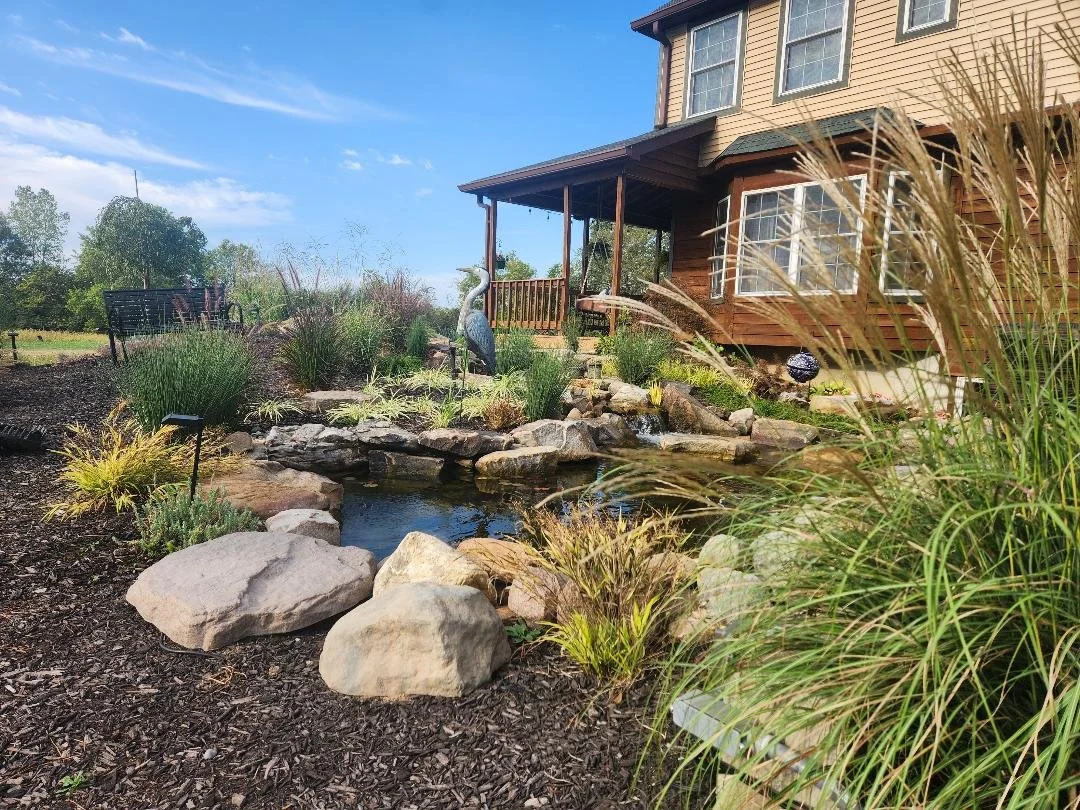
It is another steamy, oppressive morning here on the patio. The horizon is cloaked in a haze of humidity, and we are under yet another heat advisory. Even so, I am enjoying my coffee while the water babbles in our backyard feature and the first lily pad flowers of the year pop open, adding to the peaceful ambiance.
This past week, I have been at our county fair. Our son split his time between Boy Scout summer camp and the fair, a busy stretch of earning merit badges, tackling hikes, and showing his sheep and pigs. With him bouncing between two volunteer-led organizations, I observed a lot of interactions with a wide array of people. After distilling the week’s experiences, I landed on this question:
𝐖𝐡𝐲 𝐝𝐨 𝐰𝐞 𝐭𝐨𝐥𝐞𝐫𝐚𝐭𝐞 𝐢𝐧𝐜𝐨𝐦𝐩𝐞𝐭𝐞𝐧𝐜𝐞 𝐚𝐧𝐝 𝐛𝐚𝐝 𝐛𝐞𝐡𝐚𝐯𝐢𝐨𝐫 𝐢𝐧 𝐯𝐨𝐥𝐮𝐧𝐭𝐞𝐞𝐫 𝐨𝐫𝐠𝐚𝐧𝐢𝐳𝐚𝐭𝐢𝐨𝐧𝐬 𝐮𝐧𝐝𝐞𝐫 𝐭𝐡𝐞 𝐞𝐱𝐜𝐮𝐬𝐞 𝐨𝐟 “𝐭𝐡𝐞𝐲’𝐫𝐞 𝐯𝐨𝐥𝐮𝐧𝐭𝐞𝐞𝐫𝐬, 𝐰𝐞 𝐜𝐚𝐧’𝐭 𝐨𝐟𝐟𝐞𝐧𝐝 𝐭𝐡𝐞𝐦”?
I have been around volunteer-led organizations nearly my whole life, starting with Cub Scouts in the mid-70s and continuing with my own volunteer leadership in Boy Scouts and 4-H today. Over those years, I have seen the good, the bad, and the ugly — people who truly step up and those who are volunteers only in title.
Too often, I have seen bad behavior and incompetence tolerated at the expense of the youth these groups exist to serve. In a few cases, someone was only removed after a dramatic breach of rules or, unfortunately, a felony conviction, and the quiet reaction was, “Finally, we can get rid of them.” What? The volunteer was so bad you celebrated their conviction but did not have the guts to remove them for their poor behavior long before that conviction. Maybe this says more about the other leaders than it does about the removed volunteer.
Why do we let poor volunteers stay on at the cost of the kids and the program’s integrity, just because we do not want to cause offense? Why do we not step up and be the example for the youth we claim to lead, making the tough decisions when volunteers behave badly? Our inaction sends the wrong message to the very kids we want to teach responsibility and courage, especially when the hushed conversations in the corners all circle back to, “Someone should do something.”
The same can be said about the workplace, but I will leave that Pandora’s Box untouched... for now.

𝐏𝐚𝐭𝐢𝐨 𝐏𝐨𝐧𝐝𝐞𝐫𝐢𝐧𝐠: 𝐌𝐚𝐤𝐢𝐧𝐠 𝐭𝐡𝐞 𝐁𝐞𝐬𝐭 𝐁𝐞𝐭𝐭𝐞𝐫, 𝐖𝐢𝐭𝐡𝐨𝐮𝐭 𝐚 𝐒𝐨𝐮𝐧𝐝
I’m sitting here after wrapping up our family’s eighteenth Allen County 4-H Fair, coffee in hand, taking in the patio landscape. The plants didn’t pause their growth during our days at the fair, and now the garden is gently reminding me there’s work to catch up on.
This morning’s reflection drifts back to a moment from a couple of nights ago, during a conversation with an old 4-H friend. As we chatted about fair happenings, his phone buzzed with a Facebook Messenger call. He answered, and I found myself quietly dumbstruck by what unfolded, not because video calls are anything new, but because in all my thoughts on technology’s place in our lives, I had never really pictured this use.
To really see what I saw, you have to know my friend is deaf and has spent his whole life in near silence, finding ways to connect long before Bluetooth hearing aids or cochlear implants ever existed.
What I witnessed was a full, effortless conversation, no sound, just fluent American Sign Language flowing back and forth on Messenger’s video. I sat there, unable to follow along, much like I sometimes get lost listening to the younger 4-H members toss around words like “rizz,” “cap,” and “sigma.”
Watching them sign reminded me how technology, at its best, quietly removes barriers we once accepted as fixed. It is easy to forget that many of the biggest advances — the Internet, the interstate system, GPS — were built for broad uses but ended up improving life in countless unexpected ways.
As I sat there, it struck me how fitting this was for the fair. To Make the Best Better is more than a slogan; it is a promise every 4-H family carries forward, in big and small ways. Sometimes we think it just applies to showmanship, record books, or projects, but in truth, it is a mindset. For my friend, this little piece of everyday tech is part of how he makes his best better, bridging silence with connection and showing the rest of us just how far a simple idea can go when people have the will to use it well.
Thank you to Ducky Dunten for inspiring today's Patio Pondering.

Celebrating Those Who Volunteer, and Stay.
Today was Auction Day for the 4-H’ers at the Allen County Indiana 4-H to end the Allen County Fairgrounds / Allen County Fair
When the auction ended, it was time to clean up. Pens needed to be disassembled and loaded on racks, manure and bedding had to be hauled out, and floors had to be pressure washed to remove the last of the dirt and mess — plus a dozen other little jobs.
I probably should have been home cutting hay today, but Johnathan Smith and I stayed to help. We stayed to the bitter end, long after the pressure washers went quiet and the empty pizza boxes hit the trash.
It seems like the cleanup crew gets smaller every year. Thankfully, there are a few stalwarts who always show up — and they don’t just show up, they bring skid loaders, pressure washers, and a strong back.
Of course, some folks can’t help because of work, but there are always a few who seem to believe the fair magically ends the moment their trailer door closes, like Harry Potter flicking his wand and muttering, Mischief Managed.
It’d be easy to grumble about who didn’t pitch in — or about the hay I didn’t cut — but tonight I’d rather tip my hat to the ones who stayed, the ones who stepped up with tools, machines, and time, and the ones who gave up their Monday afternoon and evening to finish a dirty job well.
You’re the ones who make it happen. Thank you.

Patio Pondering: The Lost Carrot
This morning I have no responsibilities other than to reflect and enjoy my cup of coffee as I gaze across the campsite at our county fairgrounds. My son is off doing chores while I savor the quiet solitude, interrupted only by the steady hum of generators in the background.
Last night in the sheep barn, an old friend and I found ourselves leaning on the sheep show box far longer than planned, talking about today’s young people and the strange challenges we see. One line stuck with me: some kids today don’t even know what “dangling a carrot” means.
That image says a lot. Somewhere along the way, we seem to have lost the art of showing how effort connects to reward — or maybe we’ve wrapped our young people in so much structure and instant gratification that the idea of working towards something just out of reach feels foreign.
But here’s the thing: this isn’t just a youth issue. The same challenge shows up in the workplace every day. Motivating people, whether they’re fifteen or fifty, is harder than ever in a world where so many expect quick results and minimal effort. Good managers have to find ways to “dangle the carrot” that feel fair, clear, and worth chasing; and sometimes that’s an uphill battle.
So as I watch the fairgrounds wake up this morning, I find myself wondering: Are we still willing to connect extra effort with meaningful reward both at home and at work? It’s not just on the student or employee to push harder; it’s also on us as parents, coaches, and managers to notice that extra effort, reward it fairly, and never take it for granted. Otherwise, people stop going the extra mile; and once that spark burns out, it’s hard to reignite.

𝐏𝐚𝐭𝐢𝐨 𝐏𝐨𝐧𝐝𝐞𝐫𝐢𝐧𝐠: 𝐏𝐓𝐎 𝐌𝐞𝐚𝐧𝐬 𝐏𝐓𝐎
This morning, as my son and niece were washing and clipping their show sheep, I found myself reflecting back on a “sacrifice” I made just over a year ago — a sacrifice that nobody noticed or cared about.
Two and a half months before my position was eliminated, my daughter got married. The day before the wedding was full of bustle: building bouquets, stringing lights, arranging tables just so. But as the father of the bride, I found myself doing a lot of sitting.
Since my hands were free, I took charge of a weeks-old baby so her mother could craft floral arrangements and dialed into a work conference call. We were in the middle of sorting out a line of feeds that needed fixing — same corporate dance: plenty of words, a few action items, and another meeting booked.
What I didn’t realize at the time was that no one told my boss I’d joined that call on my day off. Nobody cared I was using my PTO to keep the ball rolling. And in the end, that sacrifice didn’t protect my job one bit.
It was my choice to dial in: I thought my perspective was needed. But over a year later, my comments and input from that call meant nothing. I should have been out back laughing with the wedding party, not fretting about feed formulas.
Here’s a reminder for all of us: when we’re on PTO, let’s actually 𝘣𝘦 on PTO.
As I sit here reflecting on both my daughter’s beautiful wedding and that conference call, I can’t help but wonder: how often do we feel we’re more essential to the workplace than we really are?

𝐏𝐚𝐭𝐢𝐨 𝐏𝐨𝐧𝐝𝐞𝐫𝐢𝐧𝐠: 𝐋𝐞𝐬𝐬𝐨𝐧𝐬 𝐟𝐫𝐨𝐦 4-𝐇, 𝐄𝐯𝐞𝐧 𝐍𝐨𝐰
I had some chores to finish here at home last night, so I did not spend the night at the county fair. Instead, this morning I am enjoying my coffee on the patio, anticipating the first lily pad blossom of the year in the pond, and reflecting on a thought I had during swine check-in yesterday.
Many years ago, towards the end of swine check-in at our county fair, I was asked to run to a young 4-H’er’s home and haul a pig. He had another pig at home that needed to be checked in, so I dropped what I was doing, loaded up, and got that pig to the fair.
Fast forward. That young man is now deep in the show pig industry, working with some of the stalwarts and making a name for himself. By all accounts, he’s doing well.
The rub? He doesn’t give me the time of day now. Barely a curt “hi” when I say the same.
Depending on my mood, that can tick me off.
But when I think about it longer, I doubt he even remembers what I and another dad did to make sure that pig made it to the show that year. And that’s fine. Instead of wasting energy on resentment, I remind myself: I did the right thing back then, for him, for his experience, and for the program.
Sometimes we need that reminder: do the right thing. Go above and beyond when it matters. Don’t expect applause, especially when it’s about helping kids learn and grow.
Even at my age, 4-H still teaches me a thing or two.