Patio Pondering The Written Collection
What started as my daily coffee-and-keyboard ritual has grown into a collection of reflections on agriculture, leadership, and rural life.
From quiet mornings on my backyard patio to the lessons learned in barns, fields, and boardrooms — these writings capture the stories, ideas, and questions that keep me curious.
Take a moment to explore, and maybe you’ll find a thought or two that sparks your own reflection.
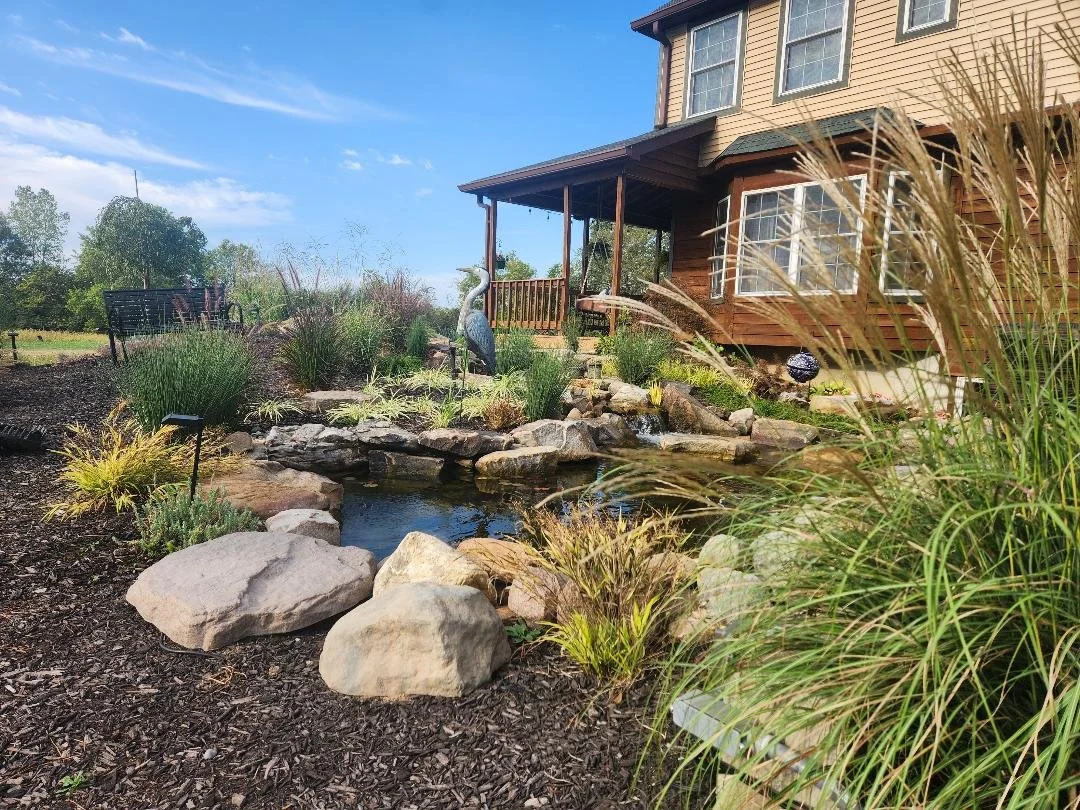
Scroll down to discover the stories and reflections from the patio.

Patio Pondering: Turning the Calendar
As the calendar and seasons change, it’s good for us to pause and reflect.
The first morning of meteorological fall dawned with a heavy dew, and I was quick to check the forecast after all the hype about cold temperatures and even talk of snow and frost across the Midwest.
I don’t have any big revelations today. Just this reminder: with summer behind us and fall underway, give your best to the season you’re in. Each one brings its own challenges and opportunities — and each one deserves our full effort.

Patio Pondering: The More You Know (The Less You Really Do)
There’s an irony to knowledge: the deeper we go, the more we realize how much we don’t know. True expertise often brings humility. But a little knowledge, just enough to skim the surface, can give us the false confidence to shout it to the world.
It is a beautiful morning on the patio. The sun is dawning brightly, the day promises to be a good one, and my coffee—though a common blend—hits the spot with just the right mix of bitterness.
On my trip to and from school I listened to a podcast hosted by Vance Crowe. Around the thirty-minute mark, I had to stop, rewind, listen again, and even mark the time. Something in the discussion struck a nerve.
Vance was calling out someone who thought they understood Bitcoin but didn’t. As I listened, I realized he wasn’t just talking about Bitcoin. He was describing that familiar character we all know: the know-it-all. The person who drones on with surface-level knowledge, so confident that people eventually tune them out. The danger is, once that happens, their credibility is gone, even in the areas where they may truly have valuable expertise.
That thought hit close to home. With a Ph.D. and decades of experience in swine nutrition and agriculture, I know how easily the letters behind my name can be misunderstood. Some expect me to have an answer for everything. Others assume I think I do. The truth is, sometimes my knowledge runs deep, sometimes it’s only surface-level, and other times I know nothing at all about a topic. My struggle is in finding that balance: sharing what I know with confidence without crossing into the territory of the know-it-all.
For all of us, regardless of our educational credentials, recognizing how easily we can slip into know-it-all territory when we research or speak on a topic should remind us to be more thorough in our quest for truth and knowledge, and cautious in how we share our newfound knowledge. But we don’t want to let the fear of that badge keep us from sharing what we know, so long as we craft it properly.
There’s an irony to knowledge: the deeper we go, the more we realize how much we don’t know. True expertise often brings humility. But a little knowledge, just enough to skim the surface, can give us the false confidence to shout it to the world.
This tension isn’t new. Thinkers have wrestled with the value and danger of knowledge for centuries. Sir Francis Bacon reminded us in the 1500s that “knowledge is power.” Yet, two centuries later, the poet Alexander Pope cautioned, “a little learning is a dangerous thing.” Titles and degrees aside, the truth lies in the space between their words. Deep, hard-won knowledge can guide and strengthen. But shallow knowledge, delivered with too much confidence, can do real harm.
Our challenge is to walk that thin line: generous with what we know, careful with what we don’t, and mindful of how our words land. Not to stay silent out of fear, but to share responsibly, with humility and conviction.

Patio Pondering: When ABCs and 123s Replace Real Conversations
I remember a line that should have been a red flag: “If you don’t send me that report, I can’t tell my boss what you are doing.”
Imagine the strength of our decisions if we paired metrics with conversations; if we actually looked at the person in personnel.
This morning broke with unseasonably cool temperatures. Instead of the dog days of summer, with heat and humidity pressing in, we left the house in sweatshirts, seat warmers on for my morning Soccer Dad duties. Now my coffee is hot here on the patio, the sun is shining through the mist rising off the pond and yard, and my thoughts are churning.
Last night, while working on promotional plans for the next 90 days, I scrolled through LinkedIn. A job suggestion for a Sales Manager role popped up. Reading the description, two things struck me: first, the wall of acronyms like KPI and ROI. Second, the heavy reliance on performance metrics to define success. What was missing was just as loud: communication.
And that absence struck a chord with me, because the times I grew most in my career were under bosses who communicated regularly. That’s not coincidence.
I remember a line that should have been a red flag: “If you don’t send me that report, I can’t tell my boss what you are doing.”
But a report is one-way communication, just words and numbers in a spreadsheet easily manipulated and fabricated. In the absence of real communication, we fall victim to what I recently wrote about: rumors and misinformation spoken behind closed doors becoming truth. What I needed were two-way conversations, monthly one-on-ones that were never honored. Like a good podcast interview, the real insights come when you ask, listen, and exchange ideas.
Too often, we make decisions about people, marketing plans, or sales objectives based only on numbers. KPI. ROI. Sales calls per sale. A whole alphabet soup of metrics. The problem is those numbers assume everyone communicates and performs the same way. They don’t. Some thrive on reports; others need conversation. Reports are a one-way street, capturing results but not nuance. Real conversations, like the kind I have on my podcast, reveal the person behind them.
Imagine the strength of our decisions if we paired metrics with conversations; if we actually looked at the person in personnel.

Patio Pondering: Betty Crocker Didn’t Cook the Books Like This!
I try to keep my writings under Patio Pondering reflective, leading readers to pause and think for themselves. Today’s writing is different. It is not reflective. It is an exposé of what I have uncovered while digging into the public records of the Northeast Allen Fire Territory funds; funds that should have been returned to Springfield, Cedar Creek, and Scipio Townships, along with Leo-Cedarville and Grabill, when the Fire Territory disbanded on December 31, 2023, more than 19 months ago.
In a Patio Pondering I published on August 12, I raised questions about payments listed under DeWitt Consulting LLC, more than $56,000 from Fire Territory funds recorded as “personal services.” At least, that is what the report showed when I printed and saved it on June 10, 2025.
After learning that the Springfield Township Advisory Board had hired an attorney to examine potentially questionable activities with Fire Territory funds, I decided to look again. In the early morning hours of August 20, I ran new queries on the Gateway public data site. To my surprise, I could no longer find DeWitt Consulting listed. The same account number, 1671, that previously showed DeWitt Consulting LLC was now tied to an individual: Lori L. DeWitt.
Two different report types, Disbursements by Vendor and the Annual Financial Report, confirmed the change. Both now show two transactions linked to Lori L. DeWitt: one for $56,053.47 in Personal Services and one for $1,250 in Supplies. In addition, another $6,591.30 in Personal Services was recorded separately under her name and had also appeared in earlier reports. How does a vendor go from zero transactions in 2023 to $63,922 worth of services after the territory was closed?
The reason Lori DeWitt is important to the taxpayers of Northeast Allen County is that she is one of the three elected members of the Springfield Township Board and also serves as the office administrator for the Cedar Creek Township Trustee. Taxpayers in Springfield Township should be asking why she is being paid from funds the Advisory Board, the Trustee, and others have spent the past year fighting to have returned.
What really caught my attention was a detail on the opening page of the reports. The data had been modified at 1:06 p.m. on August 12, 2025. That was the same day my Patio Pondering questioning DeWitt Consulting went live on social media and in the East Allen Courier.
As I kept digging, I found two other vendors whose listings had changed between the June 10 version I saved and what now appears online. “JAKE,” with transactions totaling $47,465, is now listed as “Just Do It LLC.” “Steve Muncie,” whose transactions had appeared previously, is now shown as “D & B Services LLC.” A little searching shows a familial link between D & B Services and Lori L. DeWitt. Searches for “Just Do It LLC” do not lead to logical businesses one would expect to provide nearly $47,500 worth of services to a Fire Territory.
I am a simple man who makes a living with pigs, but something does not add up. Public records do not normally change months after the fact. Vendor names do not morph from individuals into LLCs or vice versa without explanation. Taxpayers should not have to wonder whether the reports they see today will be different tomorrow.
This is not just about numbers on a spreadsheet. It is about trust, accountability, and whether public money is being handled as promised. I know some funds were sent to the townships by Cedar Creek, but my math says there should have been more. Where did the rest of the money go? The transactions I uncovered may be only the tip of the iceberg of questionable spending; money used for purposes other than the fire protection that the citizens of northeast Allen County paid for with their hard-earned tax dollars.

Patio Pondering: Critical Thinking, Situational Awareness, Problem Solving—Oh My!!!
We tried to teach these skills to our children through their experiences and activities. I’ll admit we were better at it with our youngest than with our older two. What can I say; experience pays.
This morning’s Little Red Barn Podcast with my friend Ryan Martin was the final log on the fire for today’s reflection, but I’ve been chewing on this for a few days. My coffee is hot and strong, the weather crisp and fall-like, and my mind is full of thoughts about how these skills seem to be fading in our world.
The first spark came last week in the pickup line at Leo High School. Situational awareness was nowhere to be found. A parent turned into the first lane of the lot to grab their child. The problem? That blocked everyone behind them, which backed traffic onto the road, which in turn blocked the lot’s exit. Eventually someone backed up to unclog the mess. Two days later, same scenario, different driver. Apparently “blackout mode” in a Yukon absolves you from paying attention.
Then today, as Ryan was scolding AI for damaging critical thinking, a mother stopped in the middle of the main road after a policeman released a line of cars. She froze, flashed her lights, and started waving me across like she was deputized as a traffic officer. The issue? Cars behind her had to lock their brakes and traffic stacked up again. She ignored both training and logic; critical thinking gave way to impulse.
Ryan’s point about AI struck me: maybe it isn’t that AI is hurting critical thinking, maybe it’s that many people never really developed those skills in the first place. We’ve stopped putting our kids in situations where they must weigh consequences, test their decisions, and see how their actions ripple into the lives around them.
If we never make kids, or ourselves, practice awareness and critical thinking, why are we surprised when those skills are missing at crunch time?

Patio Pondering: Decisions in the Quicksand of Information
This morning, as I mapped out my mental to-do list over coffee on the patio, the cooler air was a welcome change from much of this summer’s heat. Along with “soccer mom” duties for my son’s marching band, my thoughts kept circling back to today’s Pro Farmer corn and soybean yield projections.
Decision-making can feel like quicksand — breaking free takes courage, trust, and sometimes a little nudge.
Read the full Patio Pondering
This morning, as I mapped out my mental to-do list over coffee on the patio, the cooler air was a welcome change from much of this summer’s heat. Along with “soccer mom” duties for my son’s marching band, my thoughts kept circling back to today’s Pro Farmer corn and soybean yield projections.
Yesterday, I reflected on how we use information to grow. But since then, I’ve been struck by a different challenge: the fear of acting, even when we have information in hand.
Every day I listen to marketing voices ranging from Joe Vaclavik to Chip Flory, the University of Illinois, the Commstock Group, and many others. Yet, despite all those insights, I often hesitate to pull the trigger on a marketing decision. Too often I catch myself thinking, “It has to get better,” whether we’re trading near the lows or flirting with the highs.
The same dynamic shows up beyond grain marketing in our workplaces and homes. How do we work with our teams, colleagues, and families to make decisions with the information already available? How do we empower one another to step into the unknown when we already know so much?
Decision-making can feel like quicksand, the stuff Gen X kids like me feared in Saturday morning cartoons. Breaking free of the “I know, but what if…” mindset takes courage, trust, and sometimes a little nudge from those around us — but once we do, the momentum can change everything for ourselves, for our teams, and for those who depend on us.
I’ll be tuned to AgriTalk PM this afternoon to hear the Pro Farmer yield projections, just like I have for many years. Maybe this year I’ll use it to make a decision beyond no-decision.
What is your “Pro Farmer information,” the data, insight, or perspective that could impact your business or family? And more importantly, how will you use it to make a decision?

Patio Pondering: What Do We Really Know?
Today is the last day of the Pro Farmer Midwest Crop Tour, and I’m starting a little later than usual after working on the computer late into the night. A cup of coffee on the patio is giving me the recharge I need.
As I scrolled through updates this morning, I noticed fewer posts about the tour on X/Twitter than in past years. Still, the pictures and reports all point in one direction: this is a big crop. The real question is, how big? Defining “big” may sound simple, yet the industry has debated that word for decades. It reminds me of President Clinton’s famous exchange over the definition of “is.”
In agriculture, good data and transparency are supposed to be our compass. Yet too often, information lags behind reality. Farmers remember all too well when USDA revises crop size estimates a year or two later with the quiet admission: “We were wrong.” By then, prices have already been set based on the faulty information. Profits were shaped by numbers that didn’t reflect the crop in the bin.
It makes me wonder: how do we handle information in our own businesses and workplaces? Do we use it as leverage in an “I know something you don’t know” way, or do we share it to help the whole team advance and win?
We talk about living in the Information Age, but if the data is incomplete, delayed, or flawed, are we really making informed decisions—or just reacting to interpretations that may miss the mark?
How do you make sure the information you rely on is accurate and used to move everyone forward, not just yourself?

Patio Pondering: Take Heed, the Sailors Were Right!
I woke this morning to a red haze through the window, reminding me of the old phrase: “Red sky in morning, sailor take warning.”
I quickly dressed, closed up barns, moved the patio furniture under roof, and made sure we were ready in case a storm rolled through. We ended up with only half an inch of rain and no wind.
As I sat with my coffee after that bumblebee flight of preparations, I thought about how we often face “red sky warnings” in the workplace.
During an interview yesterday I was asked: “When in the past did you feel you needed to leave your job?” That question pulled me back to moments in my career when the warning signs were there, but I ignored them. Times when I should have paid closer attention to the signals and tested the job market waters.
How we respond to those warnings often depends on our tolerance for risk and our comfort zone. The challenge is knowing when to act and when to stay the course.
So I wonder: how do you take the “red sky warnings” in your career and turn them into opportunities for growth?

Patio Pondering: A Peek Behind the Curtain
This morning I enjoyed coffee on the patio with my daughter and son-in-law. They made the trip to northeast Indiana for a bridal shower and to spend time with us before harvest, and more importantly, before the birth of their first child.
As we sipped our coffee, we talked crops. They were getting rain back on their farm in Nebraska, and we discussed what the Pro Farmer Crop Tour might uncover as it started today.
After they left for the Cornhusker State, I thought back to our conversation. The crop tour gives agriculture a glimpse of what the U.S. corn and soybean crop might really be, pulling the curtain back on the Wizard behind the levers of the Great Oz.
I’ve written about this before, usually in the context of leadership, but how often do we face the consequences of someone playing the “I know something you don’t know” game? It could be a manager at work, a busy-body in the office, a person in your personal life, or even decision-makers setting the prices that impact your bottom line.
Every year, the Pro Farmer Crop Tour stirs debate. Some say it’s good for the industry. Others grumble, “It’s just trespassing,” or “They’ll report whatever USDA wants.” Personally, I watch for the trends, what’s different this year compared to the past, and for the field pictures that give the regular guy a peek behind that velvet curtain in Emerald City.
Where have you been on the wrong side of “I know something you don’t know”? And more importantly, how are you working to change that environment where you are?

Patio Pondering: Socrates in the Sheep Barn and the High Plains
It’s another humid August morning here in Northeast Indiana. I am on the patio with a cup of coffee, looking across the landscape at the well-washed oat straw my neighbors have been trying to bale for the past couple of weeks.
My thoughts drift back to a recent podcast conversation with Jerod McDaniel and how his contrarian views offer fresh ways of thinking. It reminds me of something I learned from Mr. Wittenberg in my high school critical thinking class, the Socratic method. You take the opposite position to spark argument or discussion. You may not believe that position; you take it for debate’s sake. In Jerod’s case, it is not an act. He genuinely sees things differently. To some, that is frustrating. To others, it is refreshing.
That thought carried me to the sheep barn at the Indiana State Fair, where I watched class after class of showmen. Every one of them had the same crouch, the same stance, the same push on their lamb, and the same stare at the judge. It made me wonder how anyone could stand out when everyone looked the same.
I thought of our friend Luke Leo, one of the first to develop that low-legged, sprawled-out crouch to show a lamb. Back then, he stood out. Today, he would blend in. Jerod is like Luke was then, seeing the same set of facts as everyone else but reaching conclusions that are entirely his own.
The refreshing part is not about enjoying disagreement. It is about having someone who sparks discussion and makes us step off the worn path simply because everyone else is on it.
Maybe these are heavy thoughts for a morning coffee, but where in your life could you be the contrarian? Where could you look at the same problem from a different angle and find the refreshing answer?
It’s another humid August morning here in Northeast Indiana. I am on the patio with a cup of coffee, looking across the landscape at the well-washed oat straw my neighbors have been trying to bale for the past couple of weeks.
My thoughts drift back to a recent podcast conversation with Jerod McDaniel and how his contrarian views offer fresh ways of thinking. It reminds me of something I learned from Mr. Wittenberg in my high school critical thinking class, the Socratic method. You take the opposite position to spark argument or discussion. You may not believe that position; you take it for debate’s sake. In Jerod’s case, it is not an act. He genuinely sees things differently. To some, that is frustrating. To others, it is refreshing.
That thought carried me to the sheep barn at the Indiana State Fair, where I watched class after class of showmen. Every one of them had the same crouch, the same stance, the same push on their lamb, and the same stare at the judge. It made me wonder how anyone could stand out when everyone looked the same.
I thought of our friend Luke Leo, one of the first to develop that low-legged, sprawled-out crouch to show a lamb. Back then, he stood out. Today, he would blend in. Jerod is like Luke was then, seeing the same set of facts as everyone else but reaching conclusions that are entirely his own.
The refreshing part is not about enjoying disagreement. It is about having someone who sparks discussion and makes us step off the worn path simply because everyone else is on it.
Maybe these are heavy thoughts for a morning coffee, but where in your life could you be the contrarian? Where could you look at the same problem from a different angle and find the refreshing answer?

Patio Pondering: The Checks are Coming, But Should We Cash Them?
Another August morning dawns hazy and humid here on the patio, a theme the weather seems determined to repeat this month. As I sip my coffee, my thoughts drift to fiscal management and how the way money is handled can affect people both directly and indirectly.
On July 30, the Cedar Creek Township Advisory Board passed Resolution 25-01-07, agreeing to return funds to the participating units of the former Northeast Allen Fire Territory. On the surface, this looks like a win for the people of Northeast Allen County. But is it?
After reviewing the 2024 financial records available on Indiana Gateway, my math does not align with the figures outlined in Resolution 25-01-07. More concerning, there are still expenses being recorded against the Northeast Allen Fire Territory accounts even though the territory was dissolved more than 18 months ago and replaced by a new fire protection district. That raises questions not only about the resolution’s accuracy but also about the ongoing use of funds tied to an entity that no longer exists.
For example, payments included $57,250 to Dewitt Consulting for services rendered to the defunct entity, nearly $29,000 to someone listed only as “John Hancock” for “personal services,” and $27,515 to an individual listed simply as “Jake.” These are not small figures and they deserve explanation.
The board also approved a debit against Cedar Creek Township’s portion of the disbursement to cover the $360,000 used to purchase the new township trustee office. That transaction should raise serious questions for taxpayers, as it used Fire Equipment funds to buy a government office building. Was this an appropriate use of funds designated for fire protection? And if this was essentially an internal loan, will we now see a resolution to cover a year’s worth of interest on what amounts to an interest-free loan to the township?
Some may see the passing of Resolution 25-01-07 as closure. I do not. We owe it to our community to ask: Where did the rest of the money go? And why has the trustee not provided full transparency into these transactions?
These questions deserve answers, not just for accountability, but for the trust and integrity of our local governance. I hope we see that clarity soon. And I hope voters remember these unanswered questions in 2026.

𝐏𝐚𝐭𝐢𝐨 𝐏𝐨𝐧𝐝𝐞𝐫𝐢𝐧𝐠: 𝐈 𝐋𝐨𝐯𝐞 𝐈𝐭 𝐖𝐡𝐞𝐧 𝐚 𝐏𝐥𝐚𝐧 𝐂𝐨𝐦𝐞𝐬 𝐓𝐨𝐠𝐞𝐭𝐡𝐞𝐫
It all begins with an idea.
This morning I’m enjoying my cup of coffee on the patio, watching another hazy, humid sunrise with the promise of another hot, steamy day here in Northeast Indiana.
The last two weeks were filled with the usual mix of normal activities, punctuated by showing lambs and pigs at the Indiana State Fair and the start of a new school year. Mother Nature threw in a monkey wrench with a rain shower that disrupted our “perfect” plan to make hay before our last trip to Indianapolis. We adjusted schedules, got the hay baled, and into storage. Sometimes you have to adapt when the plan is forced to change, and we did just that.
Last night I watched the Supreme Female Celebration from the Indiana State Fair thanks to livestreaming and celebrated virtually as the son of one of my second cousins took home the Grand Champion Gilt banner from the dirt in the Coliseum. What an honor for him and his family. This young man has worked hard with his gilt and the pigs he’s shown in past years, continually adjusting his plan to get the most out of them.
As I see the celebrations of their win filling my social media feed, I can’t help but think about the plan this family followed with that gilt. Would my cousin’s son have garnered the purple banner last night if he was simply told, “Just do it because I told you,” instead of knowing how the work he did every day fit into the process: the plan to reach the goal of standing on the dirt in the Coliseum at the State Fair?
Clarity matters: in the show ring and in the workplace. Yet how many of you go through your day without knowing where you fit in the plan, how your work applies to the process, or even what the goal is? How can we do better at sharing the plan and the goals? Or are we just at the mercy of those in power who know something we don’t? In this era of information overload, shouldn’t some of that information reach the people who are collectively striving to reach the goal?

𝐏𝐚𝐭𝐢𝐨 𝐏𝐨𝐧𝐝𝐞𝐫𝐢𝐧𝐠: 𝐓𝐡𝐞 𝐒𝐢𝐥𝐞𝐧𝐜𝐞 𝐓𝐡𝐚𝐭 𝐒𝐭𝐮𝐜𝐤 𝐖𝐢𝐭𝐡 𝐌𝐞
It all begins with an idea.
Another hazy morning brought to us by our friends to the north. Thank you, Canada, for the forest fire smoke.
We got home late last night from the first weekend of showing at the Indiana State Fair. No banners made the trip back, but we came home with plenty of memories and lessons.
As I sit here, I keep kicking myself for not speaking up.
I watched a parent smack an animal multiple times in an effort to get it to cooperate. The smacks echoed, sharp, loud, and uncomfortable. As I stood there, I told myself, “If they do it one more time, I’ll say something.” But I didn’t. Not even when I knew what I was watching was wrong. I let it play out, and eventually, it ended.
I could justify my silence by blaming the other adults in the area for not speaking up or by saying it was only a couple of people that saw it or it was after the competition so it didn’t matter.
But it did matter.
That animal, helplessly held by a 4-H'er and unable to escape, was being smacked. Regardless of the rules, regardless of the place, regardless of the situation, I should have spoken up and confronted this adult for his actions.
But I didn’t.
And I regret that today.
As that scene plays through my mind, not 24 hours later, I cannot help but wonder about all the other times in my life I should have spoken up.
At home.
At work.
During my volunteering.
Moments when silence felt safer but left a deeper mark.
I unpacked this more in Episode 49 of the Patio Pondering Podcast, but here is the question I am still wrestling with:
𝐖𝐡𝐞𝐧 𝐡𝐚𝐯𝐞 𝐲𝐨𝐮 𝐬𝐭𝐚𝐲𝐞𝐝 𝐬𝐢𝐥𝐞𝐧𝐭, 𝐚𝐧𝐝 𝐰𝐡𝐚𝐭 𝐝𝐢𝐝 𝐢𝐭 𝐜𝐨𝐬𝐭 𝐲𝐨𝐮?
𝐖𝐡𝐚𝐭 𝐰𝐨𝐮𝐥𝐝 𝐢𝐭 𝐭𝐚𝐤𝐞 𝐟𝐨𝐫 𝐲𝐨𝐮 𝐭𝐨 𝐬𝐩𝐞𝐚𝐤 𝐮𝐩 𝐧𝐞𝐱𝐭 𝐭𝐢𝐦𝐞?

Patio Pondering: Lambs, Pigs, and Calves, Oh My!
It all begins with an idea.
Today’s coffee came from the instant maker at the Holiday Inn Express, but the thoughts are percolating here on the Annex Patio in the Sheep Barn at the Indiana State Fairgrounds & Event Center . All around me is the organized chaos of show day: families prepping lambs for showmanship, youth hustling lambs to the wash rack and racing to get them dried and fitted, and barn speakers battling it out with modern hip hop on one side and '80s and '90s country on the other.
I’m struck by the contrast. Parents offer their support through money, labor, and know-how, while the kids blaze their own trails: clipping lambs, rekindling friendships, and finding their own rhythm in preparing animals.
The last two days I’ve been flying solo, hauling lambs and pigs, navigating check-ins, and fretting over whether weigh cards were submitted correctly. It’s exhausting, but rewarding. Still, as I sit in our tack pen and sip my coffee, I can’t help but wrestle with a familiar tension.
On one hand, I celebrate all the good that comes from youth livestock shows—responsibility, consequences, hard work, and opening the door to agriculture for non-livestock farm kids. On the other hand, I wrestle with the mixed messages: the line between show ring polish and commercial reality, and all the things we’re allowed to do to animals in the name of chasing a purple banner.
This morning, while doing chores, I passed by folks I’ve worked with as a Swine Nutritionist—former colleagues, customers, and suppliers. I’ve seen a lot of LinkedIn connections hauling buckets, holding animals, and coaching kids. There’s no denying the passion on display in these barns from both the youth and the adults who love them.
So I’ll keep walking this line. One foot helping my kids feed, fit, and show, and the other planted firmly in commercial production. I'm always wondering how to bridge the gap, how to capture the passion from these show barns and carry it into barns that feed the world.
Is showing livestock the best way to raise kids? I don’t know.
But it’s a darn good one.

𝐏𝐚𝐭𝐢𝐨 𝐏𝐨𝐧𝐝𝐞𝐫𝐢𝐧𝐠: 𝐖𝐡𝐞𝐧 𝐚 𝐋𝐨𝐧𝐞 𝐂𝐥𝐚𝐩 𝐅𝐢𝐥𝐥𝐬 𝐭𝐡𝐞 𝐁𝐚𝐫𝐧
It all begins with an idea.
This morning started with humidity and fog drifting off the patio. The plants were coated in heavy dew, and the air just felt thick. It’s Monday, and for a lot of folks, this kicks off a busy week with the start of the Indiana State Fair.
With my mind on the swine and sheep shows down in Indianapolis, a memory showed up on my Facebook feed from eight years ago—and it really hit home:
𝘈𝘵 𝘭𝘢𝘴𝘵 𝘯𝘪𝘨𝘩𝘵'𝘴 𝘔𝘦𝘢𝘵 𝘎𝘰𝘢𝘵 𝘚𝘩𝘰𝘸, 𝘵𝘩𝘦 𝘫𝘶𝘥𝘨𝘦 𝘵𝘰𝘰𝘬 𝘵𝘩𝘦 𝘮𝘪𝘤 𝘢𝘯𝘥 𝘮𝘢𝘥𝘦 𝘴𝘦𝘷𝘦𝘳𝘢𝘭 𝘱𝘰𝘪𝘯𝘵𝘦𝘥 𝘤𝘰𝘮𝘮𝘦𝘯𝘵𝘴 𝘢𝘣𝘰𝘶𝘵 𝘩𝘰𝘸 𝘵𝘩𝘦 𝘦𝘯𝘦𝘮𝘪𝘦𝘴 𝘰𝘧 𝘈𝘨, 𝘭𝘪𝘬𝘦 𝘏𝘚𝘜𝘚 𝘢𝘯𝘥 𝘗𝘌𝘛𝘈, 𝘭𝘰𝘰𝘬 𝘧𝘰𝘳 𝘢𝘯𝘺𝘵𝘩𝘪𝘯𝘨 𝘵𝘩𝘦𝘺 𝘤𝘢𝘯 𝘵𝘰 𝘢𝘵𝘵𝘢𝘤𝘬 𝘸𝘩𝘢𝘵 𝘸𝘦 𝘥𝘰. 𝘏𝘦 𝘬𝘦𝘱𝘵 𝘨𝘰𝘪𝘯𝘨, 𝘤𝘢𝘭𝘭𝘪𝘯𝘨 𝘰𝘶𝘵 𝘤𝘦𝘳𝘵𝘢𝘪𝘯 𝘴𝘩𝘰𝘸 𝘳𝘪𝘯𝘨 𝘱𝘳𝘢𝘤𝘵𝘪𝘤𝘦𝘴 𝘵𝘩𝘢𝘵 𝘯𝘦𝘦𝘥 𝘵𝘰 𝘴𝘵𝘰𝘱.
𝘈𝘴 𝘩𝘦 𝘴𝘱𝘰𝘬𝘦, 𝘐 𝘴𝘵𝘢𝘳𝘵𝘦𝘥 𝘤𝘭𝘢𝘱𝘱𝘪𝘯𝘨. 𝘐 𝘧𝘪𝘨𝘶𝘳𝘦𝘥 𝘰𝘵𝘩𝘦𝘳𝘴 𝘸𝘰𝘶𝘭𝘥 𝘫𝘰𝘪𝘯 𝘪𝘯. 𝘛𝘩𝘦𝘺 𝘥𝘪𝘥𝘯’𝘵.
𝘔𝘺 𝘭𝘰𝘯𝘦 𝘢𝘱𝘱𝘭𝘢𝘶𝘴𝘦 𝘦𝘤𝘩𝘰𝘦𝘥 𝘵𝘩𝘳𝘰𝘶𝘨𝘩 𝘵𝘩𝘦 𝘴𝘩𝘰𝘸 𝘣𝘢𝘳𝘯. 𝘐𝘵 𝘸𝘢𝘴 𝘢𝘸𝘬𝘸𝘢𝘳𝘥.
𝘈𝘧𝘵𝘦𝘳 𝘵𝘩𝘦 𝘴𝘩𝘰𝘸, 𝘐 𝘣𝘳𝘢𝘤𝘦𝘥 𝘮𝘺𝘴𝘦𝘭𝘧 𝘧𝘰𝘳 𝘵𝘩𝘦 𝘴𝘪𝘥𝘦𝘸𝘢𝘺𝘴 𝘨𝘭𝘢𝘯𝘤𝘦𝘴 𝘰𝘳 𝘴𝘯𝘪𝘥𝘦 𝘳𝘦𝘮𝘢𝘳𝘬𝘴. 𝘐𝘯𝘴𝘵𝘦𝘢𝘥, 𝘢 𝘧𝘦𝘸 𝘧𝘰𝘭𝘬𝘴 𝘲𝘶𝘪𝘦𝘵𝘭𝘺 𝘴𝘢𝘪𝘥, “𝘛𝘩𝘢𝘯𝘬𝘴 𝘧𝘰𝘳 𝘤𝘭𝘢𝘱𝘱𝘪𝘯𝘨.”
𝘐𝘯 𝘈𝘨, 𝘢𝘯𝘥 𝘪𝘯 𝘭𝘪𝘧𝘦, 𝘸𝘦 𝘥𝘰 𝘢 𝘭𝘰𝘵 𝘰𝘧 𝘵𝘩𝘪𝘯𝘨𝘴 𝘰𝘶𝘵 𝘰𝘧 𝘩𝘢𝘣𝘪𝘵 𝘰𝘳 𝘣𝘦𝘤𝘢𝘶𝘴𝘦 𝘵𝘩𝘢𝘵’𝘴 𝘩𝘰𝘸 𝘪𝘵’𝘴 𝘢𝘭𝘸𝘢𝘺𝘴 𝘣𝘦𝘦𝘯 𝘥𝘰𝘯𝘦. 𝘉𝘶𝘵 𝘸𝘪𝘵𝘩 𝘵𝘩𝘦 𝘮𝘪𝘤𝘳𝘰𝘴𝘤𝘰𝘱𝘦 𝘸𝘦’𝘳𝘦 𝘶𝘯𝘥𝘦𝘳 𝘵𝘰𝘥𝘢𝘺, 𝘮𝘢𝘺𝘣𝘦 𝘪𝘵’𝘴 𝘸𝘰𝘳𝘵𝘩 𝘢𝘴𝘬𝘪𝘯𝘨 𝘸𝘩𝘺 𝘸𝘦 𝘥𝘰 𝘸𝘩𝘢𝘵 𝘸𝘦 𝘥𝘰. 𝘕𝘰𝘵 𝘣𝘦𝘤𝘢𝘶𝘴𝘦 𝘸𝘦’𝘳𝘦 𝘨𝘶𝘪𝘭𝘵𝘺, 𝘣𝘶𝘵 𝘣𝘦𝘤𝘢𝘶𝘴𝘦 𝘮𝘢𝘺𝘣𝘦 𝘵𝘩𝘦𝘳𝘦’𝘴 𝘢 𝘣𝘦𝘵𝘵𝘦𝘳 𝘸𝘢𝘺.
When I read that memory, I immediately got goosebumps. I remembered how awkward it felt to be the only one clapping, and the disbelief that I was the only one who agreed with what the judge said.
But as I think back on that night, maybe that reaction was exactly what I should have expected. Someone says something “controversial” that many quietly agree with, and the room goes silent. No one wants to be labeled. Nobody wants to be the first to respond. Yet plenty nod along once the pressure is off.
And it is not just in show barns. I have seen it in meetings too. A plan or idea gets floated that does not make sense, and nobody says a word. The bad idea picks up steam, not because people agree, but because they are afraid to push back.
It is a reminder: silence is not always agreement. And sometimes, courage just looks like clapping when no one else will.

𝐏𝐚𝐭𝐢𝐨 𝐏𝐨𝐧𝐝𝐞𝐫𝐢𝐧𝐠: 𝐖𝐡𝐞𝐧 𝐄𝐱𝐩𝐞𝐫𝐢𝐞𝐧𝐜𝐞 𝐋𝐢𝐟𝐭𝐬 𝐌𝐨𝐫𝐞 𝐓𝐡𝐚𝐧 𝐈𝐧𝐭𝐞𝐥𝐥𝐢𝐠𝐞𝐧𝐜𝐞 𝐂𝐚𝐧
Yesterday afternoon, after wrapping up a consulting job, I needed to help a neighbor plant a food plot for deer season. To do that, I headed to the back corner of the barnyard to pull out my dad’s old International 37 disc.
I couldn’t get the thing to raise.
I tried and tried. Switched hoses. Sprayed the hydraulic cylinder rod with penetrating oil. Got a pry bar out to force the wheels down. I could move the lift axle manually, but I couldn’t make it lift. I was starting to get frustrated; of course, the oppressive humidity and high heat index didn’t help my mood.
I even switched hydraulic outlets, just to rule out the obvious. But that didn’t make sense either, since I had just used every outlet last week with no issue.
And then I found the problem.
Not because I’m a genius, but because I’ve been around the block.
You see, I do have the intelligence to understand hydraulic circuits, valves, and what could restrict fluid flow. But it wasn’t my book smarts that fixed the issue, it was experience.
When I pulled out the hydraulic hose, I saw it immediately: one of the tips was a high-flow, newer-style coupler, not the old Pioneer-style tip that this 55-year-old tractor was built for.
I’ve seen this movie before. In fact, I wrote about it once: the time I was trying to unfold a newer piece of equipment and couldn’t get it to work. Back then, I made a few phone calls asking for help, swapped the tips, and boom, it worked.
Same thing here. I went up to the loft, grabbed a spare tip, swapped it out, plugged it back in, and just like that, the disc lifted and dropped like it should.
This morning, I’m writing this reflection as a thunderstorm drops rain and I prepare for the funeral of a young man taken too soon. An intelligent, inquisitive kid with big dreams of becoming a nuclear engineer.
What breaks my heart is knowing he won’t get the time or opportunity to turn that intelligence into experience, the kind that deepens knowledge, hones wisdom, and teaches lessons no textbook ever could.
It’s a reminder to all of us: experience matters.
Whether you’re fixing a hydraulic line, formulating a pig diet, or crafting a marketing campaign, sometimes it’s not just what you know. It’s what you’ve been through.
Let’s not overlook the value of experience in our coworkers, our families, and ourselves.

𝐏𝐚𝐭𝐢𝐨 𝐏𝐨𝐧𝐝𝐞𝐫𝐢𝐧𝐠: 𝐆𝐨𝐢𝐧𝐠 𝐖𝐞𝐬𝐭 𝐭𝐨 𝐆𝐞𝐭 𝐄𝐚𝐬𝐭
This morning the air on the patio is heavy. The weather forecasters blame Corn Sweat. I call it good old Midwest humidity. My coffee is strong and is helping get my thoughts moving.
As I sit here watching the sun rise and reflect off the heavy dew on the plants, I’m thinking about a simple inconvenience I experienced yesterday.
My son is in the middle of Band Camp this week, and I treated him to a fast food lunch yesterday. On the way home from delivering the midday meal, one of the roads to our house was closed as the county chip-and-sealed it, a compromise between gravel and full paving. I simply kept going, planning to take the next road.
As I crested a hill, I saw a train blocking both the road I was on and the road I had intended to use to get home.
Because of the stopped train, I had to go west to go east. My route home took me through our hometown, where I was further delayed: more construction, dump trucks, and temporary traffic control. In all, the detour added over five miles and almost twenty minutes to my trip home.
As I sit here this morning, I’m thinking back to how I reacted. I simply found the next option to make the trip home. It took me longer, but I eventually got there.
I could have easily stopped and accosted the county workers who were blocking the road at the original obstacle. I could have had a temper tantrum when the train blocked my path. The challenges in Grabill could have spawned a road rage incident before I finally had open road for the last leg of my short trip home.
I can’t help but relate this to how we react to obstacles in our work lives; whether it’s an objection during a sales call, a change of direction for a marketing campaign, or a myriad of other unforeseen hindrances to our well-crafted plans.
Maybe it’s a bit of maturity or experience that caused me to just roll with the punches yesterday. Maybe I’ve just resigned myself to the fact that I’m not in control. Or maybe I just took the detour as an opportunity to see different scenery on my trip home.
How do you react to challenges; the roadblocks that threaten to derail your plans?

𝐏𝐚𝐭𝐢𝐨 𝐏𝐨𝐧𝐝𝐞𝐫𝐢𝐧𝐠: 𝐆𝐢𝐯𝐢𝐧𝐠 𝐊𝐢𝐝𝐬 𝐭𝐡𝐞 𝐂𝐫𝐞𝐝𝐢𝐭 𝐓𝐡𝐞𝐲 𝐃𝐞𝐬𝐞𝐫𝐯𝐞
This morning, the Terra Level Executive Suite is unusually quiet. No movement upstairs. No clatter from the kitchen. Just me, my coffee, and a long list that stretches from the daily and mundane to preparing for the Indiana State Fair and finalizing my next podcast episode.
You’d think the silence would help me focus, but my thoughts are scattered.
Last night, I sat in on a planning meeting for Donovan’s funeral, the 15-year-old Scout I wrote about last week. I had nothing to add; others had already picked up the reins and were pulling the preparation wagon. So, I observed. Observed how people show up in grief. No profound conclusions, just quiet appreciation that there will be a celebration worthy of Donovan later this week.
Then, this morning, I saw a comment from Donovan’s mother beneath a news story about how local marching bands honored him during band camp.
Her words stopped me cold:
“𝐖𝐞 𝐝𝐨𝐧’𝐭 𝐠𝐢𝐯𝐞 𝐤𝐢𝐝𝐬 𝐞𝐧𝐨𝐮𝐠𝐡 𝐜𝐫𝐞𝐝𝐢𝐭.”
She’s right.
In our effort to create perfect paths for our children: chasing “the best,” protecting them from harm, trying to shape ideal outcomes, we sometimes fail to notice that they have been learning the lessons we’ve tried to teach them.
Yes, there are overprotective parents who smother growth; but when we let kids experience life—the good and the bad—they grow. They 𝘭𝘦𝘢𝘳𝘯.
The expressions of sympathy, compassion, and grief I’ve seen from Fort Wayne’s youth this past week have been powerful, honest, and beautiful.
As we mourn Donovan, I’m choosing to also celebrate the strength and depth of our young people: how they’ve come together to honor their friend, support one another, and face the hard truth that life is fragile.
They 𝘥𝘦𝘴𝘦𝘳𝘷𝘦 credit.
And maybe, just maybe, we adults can learn something from them.

Patio Pondering: If All Politics Are Local, Is Corruption Also Local?
When I first wrote about this issue back in June, I was challenged to “find out the truth.” I’ve been trying to do just that.
The Northeast Allen Fire Territory (NEAFT) was officially disbanded on December 31, 2023. According to Indiana Code 36-8-19-15(b):
“When a fire protection territory dissolves, title to any real property transferred to the provider unit reverts to the participating unit that transferred the real property to the provider unit.”
That wording is pretty plain. The money and equipment are supposed to be returned to the participating townships. On the date of dissolution, NEAFT held $3,270,494 in its accounts, according to audited data available on Gateway. That number is much larger than I wrote about earlier. As of today, only $400,000 of that balance has been distributed, and not to the participating townships, but instead to the newly formed Fire District.
Here’s the rub: that $3.3 million came from taxes collected from the residents of Cedar Creek, Springfield, and Scipio Townships, along with the towns of Leo-Cedarville and Grabill. Those taxes were levied for fire protection and fire equipment, not to become a slush fund for Cedar Creek Township to spend as it sees fit, including the purchase of a new office building in June 2024.
After being challenged to “find out the truth for myself,” I tried to gain direct access to the relevant financial records, not just the high-level summaries available on Gateway that lack the detail needed to fully understand how those funds were used. On June 24, I hand delivered a formal request under Indiana’s Access to Public Records Act (APRA). The Cedar Creek Township Trustee acknowledged the request on June 25, but the scope of permission was unclear. I submitted an amended request later that same day asking for more detailed information. When no response came, I followed up on July 2, again no reply. That’s a violation of Indiana Code 5-14-3-9(c), which requires a response within seven days. I submitted another amended request today, July 18, the same day I’m writing this reflection.
Taxpayers in Northeast Allen County should be up in arms over the lack of accountability, the financial sleight of hand, and what increasingly looks like outright corruption in how fire protection funds are being handled. These funds were collected to protect lives and property, not to pad township budgets.
Springfield Township taxpayers and voters should be concerned that one of their Advisory Board Members is also serving as Clerk to the Cedar Creek Township Trustee. That dual role raises serious questions about divided loyalties and whether Springfield Township’s interests are truly being represented.
The balances due to the participating entities as of December 31, 2023, minus any normal, expected wind-down expenses, should be returned for fire protection as originally intended, not redirected without clear accountability.
I know most of us groan when we write our property tax checks each May and November. But we pay them anyway, with the expectation that those dollars will be used appropriately. We trust our local elected officials to protect us, not just from fire, but from financial mismanagement.
That trust is being tested right now. And it’s time we start asking harder questions.

𝐏𝐚𝐭𝐢𝐨 𝐏𝐨𝐧𝐝𝐞𝐫𝐢𝐧𝐠: 𝐎𝐧𝐞 𝐋𝐢𝐟𝐞 𝐂𝐞𝐥𝐞𝐛𝐫𝐚𝐭𝐞𝐝, 𝐎𝐧𝐞 𝐋𝐢𝐟𝐞 𝐌𝐨𝐮𝐫𝐧𝐞𝐝
I had a plan for this morning’s Patio Pondering. I had the bones for a reflection about how we react when our credibility is questioned. I had examples, reactions, and suggestions.
That all changed when my 15-year-old told me one of the members of his Boy Scout troop died last week.
His revelation hit me hard. But what he said next devastated me. The young man, about to start his sophomore year, was one of 𝘮𝘺 𝘚𝘤𝘰𝘶𝘵𝘴. I had been his Den Leader for two years and helped him cross over into his current troop. While my leadership at the troop level was different than the Cub Scout den, I still considered him one of mine. I had watched him and the others interact, lead, and advance.
It tugs at your heart when your own son asks if he can attend the funeral. You realize just how much these boys mean to one another, even if they don't say it out loud.
This death is bookmarked with the passing of my Great Aunt Joan, who passed through her earthly veil at 100 years old, closing out my grandfather’s generation that spanned more than 118 years.
It seems I was just here, reflecting on the simultaneous deaths of a young person and an older family member. I do not like the pattern that is developing. The contrast of emotions between these two losses is stark and hard to process.
For Joan, it is a celebration of 100 years of a life well lived, filled with memories of the Good Old Days and thoughts about her generation’s contribution to our family.
For Donovan, my thoughts are much more melancholy. I hurt for his family. I hurt for his troop mates and his bandmates. I hurt for myself and for the other parents of his peers, as we try to help our children process emotions and questions they should not have to face this early in life. I hurt for the leaders at his school and his troop, who must lead others while grieving themselves.
As a fellow band parent, I was looking forward to the chance of seeing him perform with the Snider High School marching band at one of this fall’s competitions. With my own son in the Leo band, I knew our paths might cross. I imagined scanning the sea of black and yellow, hoping to catch a glimpse of Donovan before enjoying the performance from the stands. Sadly, that opportunity is now gone.
In my last conversation with him, he told me he wanted to be a nuclear engineer, a lofty goal that reflected his intelligence. This was a brilliant young man, and the world never got to see the impact he might have had.
I do not know how to end this with anything uplifting that does not feel forced or overly religious. I believe both Joan and Donovan are in a better place and are enjoying the joys of life everlasting.
But for me, I just have to get through the week, somehow.