Patio Pondering The Written Collection
What started as my daily coffee-and-keyboard ritual has grown into a collection of reflections on agriculture, leadership, and rural life.
From quiet mornings on my backyard patio to the lessons learned in barns, fields, and boardrooms — these writings capture the stories, ideas, and questions that keep me curious.
Take a moment to explore, and maybe you’ll find a thought or two that sparks your own reflection.
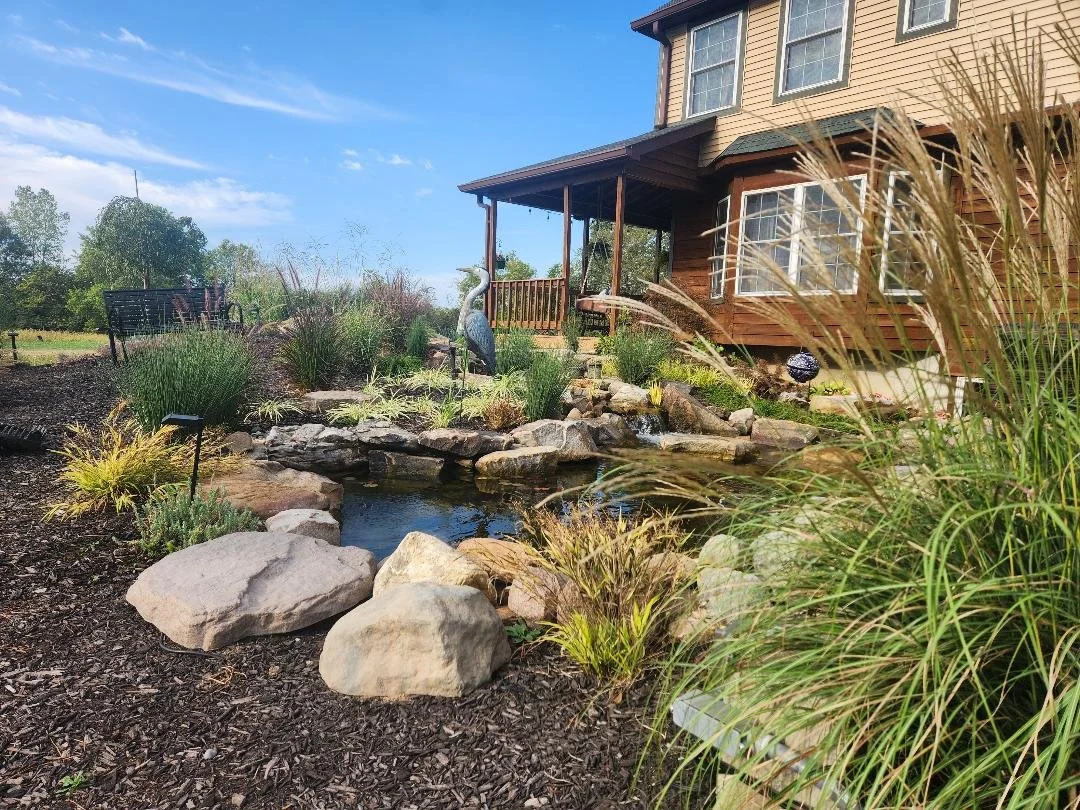
Scroll down to discover the stories and reflections from the patio.

𝐏𝐚𝐭𝐢𝐨 𝐏𝐨𝐧𝐝𝐞𝐫𝐢𝐧𝐠: 𝐏𝐓𝐎 𝐌𝐞𝐚𝐧𝐬 𝐏𝐓𝐎
This morning, as my son and niece were washing and clipping their show sheep, I found myself reflecting back on a “sacrifice” I made just over a year ago — a sacrifice that nobody noticed or cared about.
Two and a half months before my position was eliminated, my daughter got married. The day before the wedding was full of bustle: building bouquets, stringing lights, arranging tables just so. But as the father of the bride, I found myself doing a lot of sitting.
Since my hands were free, I took charge of a weeks-old baby so her mother could craft floral arrangements and dialed into a work conference call. We were in the middle of sorting out a line of feeds that needed fixing — same corporate dance: plenty of words, a few action items, and another meeting booked.
What I didn’t realize at the time was that no one told my boss I’d joined that call on my day off. Nobody cared I was using my PTO to keep the ball rolling. And in the end, that sacrifice didn’t protect my job one bit.
It was my choice to dial in: I thought my perspective was needed. But over a year later, my comments and input from that call meant nothing. I should have been out back laughing with the wedding party, not fretting about feed formulas.
Here’s a reminder for all of us: when we’re on PTO, let’s actually 𝘣𝘦 on PTO.
As I sit here reflecting on both my daughter’s beautiful wedding and that conference call, I can’t help but wonder: how often do we feel we’re more essential to the workplace than we really are?

𝐏𝐚𝐭𝐢𝐨 𝐏𝐨𝐧𝐝𝐞𝐫𝐢𝐧𝐠: 𝐋𝐞𝐬𝐬𝐨𝐧𝐬 𝐟𝐫𝐨𝐦 4-𝐇, 𝐄𝐯𝐞𝐧 𝐍𝐨𝐰
I had some chores to finish here at home last night, so I did not spend the night at the county fair. Instead, this morning I am enjoying my coffee on the patio, anticipating the first lily pad blossom of the year in the pond, and reflecting on a thought I had during swine check-in yesterday.
Many years ago, towards the end of swine check-in at our county fair, I was asked to run to a young 4-H’er’s home and haul a pig. He had another pig at home that needed to be checked in, so I dropped what I was doing, loaded up, and got that pig to the fair.
Fast forward. That young man is now deep in the show pig industry, working with some of the stalwarts and making a name for himself. By all accounts, he’s doing well.
The rub? He doesn’t give me the time of day now. Barely a curt “hi” when I say the same.
Depending on my mood, that can tick me off.
But when I think about it longer, I doubt he even remembers what I and another dad did to make sure that pig made it to the show that year. And that’s fine. Instead of wasting energy on resentment, I remind myself: I did the right thing back then, for him, for his experience, and for the program.
Sometimes we need that reminder: do the right thing. Go above and beyond when it matters. Don’t expect applause, especially when it’s about helping kids learn and grow.
Even at my age, 4-H still teaches me a thing or two.

𝐏𝐚𝐭𝐢𝐨 𝐏𝐨𝐧𝐝𝐞𝐫𝐢𝐧𝐠: 𝐖𝐡𝐞𝐧 𝐒𝐢𝐥𝐞𝐧𝐜𝐞 𝐈𝐬 𝐋𝐨𝐮𝐝𝐞𝐫 𝐓𝐡𝐚𝐧 𝐚 𝐑𝐞𝐣𝐞𝐜𝐭𝐢𝐨𝐧
This one has been sitting in my drafts for well over a month. As I prepared to haul my son’s and niece’s show pigs to the Allen County Fair early this morning, I thought it was a good time to dust off the cobwebs and share this reflection.
It hit my inbox after days of silence: the “Thanks for applying, but…” email from a company I was genuinely excited about.
Of the more than 45 job applications that have gone nowhere these past few months, this one stings the most. Not because it’s a good company with solid products. Not because they seem to treat their employees well. Not because former employees sing their praises. It’s none of those reasons.
This one hurts because I championed this company in my previous roles. I pushed to include their product in feed formulas because it was the right solution. I worked with their team to verify usage, promoted it to customers, and, in many ways, became a brand ambassador without ever wearing their badge.
This one hurts because I thought the respect I’d earned over nearly two decades of support might have led to a simple 30-minute conversation with the hiring manager. I didn’t expect special treatment or a guaranteed offer, but I did expect to be seen.
This one hurts. And no, I won’t forget it.
But I will keep going. I’ll keep showing up. I’ll keep putting my best foot forward.

𝐏𝐚𝐭𝐢𝐨 𝐏𝐨𝐧𝐝𝐞𝐫𝐢𝐧𝐠: 𝐈𝐬 𝐉𝐨𝐛 𝐅𝐢𝐭 𝐅𝐨𝐮𝐧𝐝 𝐨𝐫 𝐁𝐮𝐢𝐥𝐭?
Today is a busy day.
I’m reviving my podcast recording after a short hiatus, and I need to get my interviewing mindset and voice back in gear. But before I do, I’m taking a moment out here on the patio to reflect.
As I sit here with my coffee on the patio, I’m thinking about the job search and the conversations I’ve had with several friends in the swine industry who are in the same situation. The challenges of navigating today’s “new normal” job search have me dredging up memories from the various career prep seminars I attended back at Purdue.
I remember those seminars well. Two pieces of advice were emphasized over and over:
𝐃𝐨 𝐧𝐨𝐭 𝐭𝐚𝐤𝐞 𝐚 𝐣𝐨𝐛 𝐣𝐮𝐬𝐭 𝐛𝐞𝐜𝐚𝐮𝐬𝐞 𝐢𝐭 𝐢𝐬 𝐜𝐥𝐨𝐬𝐞 𝐭𝐨 𝐡𝐨𝐦𝐞.
𝐂𝐡𝐨𝐨𝐬𝐞 𝐚 𝐜𝐨𝐦𝐩𝐚𝐧𝐲 𝐭𝐡𝐚𝐭 𝐟𝐢𝐭𝐬 𝐲𝐨𝐮.
That second point has been on my mind a lot lately. During those assignments, we researched companies and matched them to our personal values. It all felt so straightforward at the time—make a list, find your fit, and chart your course.
But in the real world, it rarely works that cleanly.
These days, job searches often come down to accepting the opportunity that is available, even if it does not check all the boxes. The idea of “fit” starts to feel like a luxury instead of a priority. I have learned that lesson the hard way.
To be clear, there are definitely a few companies and supervisors who are firmly on my “No Way” list. For the rest, though, the distinction becomes less clear. Is the discomfort a sign of a mismatch in values, or just part of the adjustment period? Is this the wrong place for me, or the right place at the wrong time?
Lately, I find myself wondering if “fit” is something we discover or something we create.
What do you think?

𝐏𝐚𝐭𝐢𝐨 𝐏𝐨𝐧𝐝𝐞𝐫𝐢𝐧𝐠: 𝐉𝐮𝐬𝐭 𝐚 𝐁𝐢𝐭 𝐋𝐨𝐧𝐠𝐞𝐫, 𝐈𝐭 𝐈𝐬 𝐀𝐥𝐦𝐨𝐬𝐭 𝐏𝐞𝐫𝐟𝐞𝐜𝐭
This morning, I enjoyed the full sun warming my face as I sipped coffee on the patio. It was the first morning in over a week without clouds—just the sun rising strong and steady to welcome the day.
There’s a Bible verse that struck a chord with me recently. 𝐄𝐜𝐜𝐥𝐞𝐬𝐢𝐚𝐬𝐭𝐞𝐬 11:4 says, “𝘛𝘩𝘰𝘴𝘦 𝘸𝘩𝘰 𝘸𝘢𝘪𝘵 𝘧𝘰𝘳 𝘱𝘦𝘳𝘧𝘦𝘤𝘵 𝘸𝘦𝘢𝘵𝘩𝘦𝘳 𝘸𝘪𝘭𝘭 𝘯𝘦𝘷𝘦𝘳 𝘱𝘭𝘢𝘯𝘵; 𝘵𝘩𝘰𝘴𝘦 𝘸𝘩𝘰 𝘭𝘰𝘰𝘬 𝘢𝘵 𝘦𝘷𝘦𝘳𝘺 𝘤𝘭𝘰𝘶𝘥 𝘸𝘪𝘭𝘭 𝘯𝘦𝘷𝘦𝘳 𝘩𝘢𝘳𝘷𝘦𝘴𝘵.”
There are many translations of this verse, but the message is consistent: waiting for perfection doesn’t lead to progress. In every task we undertake, there’s always an element of uncertainty.
In the workplace, it’s easy to mislabel some colleagues as lazy when, in reality, they’re simply waiting for everything to line up just right before they start. They want every tool in place, every risk accounted for, and every scenario planned. That kind of caution can be frustrating to those who prefer to charge ahead and adapt as challenges arise.
I’ve seen the same mindset play out on local farms, particularly in spring. Some growers, especially when it comes to corn, hesitate to plant. They wait, anxious, hoping for perfect conditions. Even as others get rolling in the fields, they hold back, watching the clouds and questioning every detail.
So how do we find the right balance between patience and action?
How do we build teams where cautious planners and decisive doers complement each other rather than clash?

𝐏𝐚𝐭𝐢𝐨 𝐏𝐨𝐧𝐝𝐞𝐫𝐢𝐧𝐠: 𝐃𝐫𝐨𝐧𝐞𝐬, 𝐃𝐫𝐞𝐚𝐦𝐬, 𝐚𝐧𝐝 𝐃𝐢𝐬𝐚𝐩𝐩𝐞𝐚𝐫𝐢𝐧𝐠 𝐆𝐫𝐨𝐮𝐧𝐝
Saturday morning, I attended a field day hosted by two young men launching a drone application company. Still in college, their entrepreneurial spirit was contagious. It was inspiring to see their excitement as they demonstrated their drone and explained how they hope to support area farmers.
But as I stood there watching, another thought tugged at me.
Less than two miles from that very field, prime Allen County farmland is being swallowed up—not by the acre, but by the square mile—for housing developments. It’s happening fast. The soil that once grew corn and beans is now being packed under streets and cul-de-sacs.
So I couldn't help but wonder: What is the future for these young men? They’re building a business to serve farmers in a region that’s steadily losing farmland. How long will their own families be able to resist the temptation to cash in on their land? What will be left to support?
It’s a question I find myself asking more often these days—not just for them, but for agriculture in general.
We say we want young people in agriculture. We talk about creating opportunities. And yes, they’re still out there. But in some areas, those opportunities are shrinking—either paved over or swallowed by consolidation. The biggest keep getting bigger, and the middle is fading fast.
How do we reconcile the optimism of the next generation with the realities of what they're up against?

𝐏𝐚𝐭𝐢𝐨 𝐏𝐨𝐧𝐝𝐞𝐫𝐢𝐧𝐠: 𝐋𝐞𝐭 𝐭𝐡𝐞 𝐒𝐮𝐧𝐬𝐡𝐢𝐧𝐞 𝐈𝐧
This morning, the weather in our area is misty and cloudy. Sunshine isn’t reaching the ground. After two inches of rain the other day and no sun since, it’s wet, the air is heavy, and it’s affecting my mood.
The dreariness today, coupled with a discussion with a friend about diseases in the swine industry, has me thinking about what a great disinfectant sunshine is—for both health and attitude. Both of my grandmothers used to say that hanging clothes on the line and opening the windows to let the sunshine in was the best way to clean out a house. Sunshine cleans a lot.
Recently, I discovered the depth of fiscal shenanigans within a tax-funded entity in our area. My writing pulled back the curtains and let the sunshine in on the nefarious activities that have hurt local taxpayers. The cleansing effect of shedding light on the books is starting to open eyes.
Pulling back the curtains to let the sun in pushes away the smoke and mirrors that build up when the windows are shut and the room stays dark. Direct sunlight exposes what’s really happening, not just what someone wants us to see through clever words or fancy spreadsheets.
I’m sitting here waiting for the sun to burn off the haze, to dry the ground so we can finish planting and start cutting hay. Until the sun does its job—drying, warming, and rejuvenating—I’ll likely stay in this melancholy mood, reminded of how much we rely on sunshine, both in the soil and in our souls.
How many times have you been affected by things happening in the dark, behind closed doors, without the cleansing effects of sunlight? How do we push ourselves, and those we work with, to be out in the open when difficult decisions are made?

𝐏𝐚𝐭𝐢𝐨 𝐏𝐨𝐧𝐝𝐞𝐫𝐢𝐧𝐠: 𝐓𝐫𝐮𝐭𝐡, 𝐓𝐫𝐮𝐬𝐭, 𝐚𝐧𝐝 𝐓𝐞𝐥𝐥𝐢𝐧𝐠 𝐎𝐮𝐫 𝐒𝐭𝐨𝐫𝐲
I didn’t write Patio Ponderings the past three days. I’ve been working on projects and talking with friends as we prepare for World Pork Expo. Today, I’m pondering the balance between telling the “truth” and the pull of toxic positivity.
When I read stories about agriculture, there’s often a consistent tone of positivity, sometimes drifting into toxic positivity. We see idyllic images and words about how great it is to raise food for others. Even when it's hard, the message is usually, “It’s a good life.”
Then there are stories that try to show the “truth” of farm life, often centered around the loss of an animal or the struggles of day-to-day work. These stories tug at the heartstrings, drawing out emotion and empathy.
I’ve talked with other ag writers about how we walk this fine line. How much do we share of the real ups and downs without offending consumers or others in ag? How far do we go in sharing the hard, uncomfortable facts of life and death, prosperity and struggle that happen on every farm?
A farmer I know lost rental agreements after being honest online about his experiences. He shared stories about broken equipment, escaped cattle, conflict with drivers on rural roads, and the pressures of urban sprawl. The landowners told him, “It seems like you have a lot of problems. We want someone who doesn’t have so many issues.” His effort to “tell his story” ended up hurting his business. Even though he was sharing struggles that happen on every farm, he was penalized for being honest. And yet, “Tell Your Story” is the very mantra many AgVocates encourage us to follow.
So where is the line? How do we strike a balance between authenticity and perception? Between showing pride in what we do and being honest about how hard it really is?
How do you decide what parts of the ag story are safe to tell, and which truths are better left unsaid?

𝐏𝐚𝐭𝐢𝐨 𝐏𝐨𝐧𝐝𝐞𝐫𝐢𝐧𝐠: $2 𝐌𝐈𝐋𝐋𝐈𝐎𝐍 𝐚𝐧𝐝 𝐚 𝐁𝐫𝐨𝐤𝐞𝐧 𝐏𝐫𝐨𝐦𝐢𝐬𝐞
Last night I found myself reading the minutes from a recent Leo-Cedarville Town Council meeting. I don’t live in town, but I often read these minutes for a mix of information and local insight, sometimes even entertainment. But this time, a single paragraph sparked a chain of conversations that left me more than a little fired up.
Here’s what caught my eye:
“𝘔𝘳. 𝘞𝘪𝘵𝘮𝘦𝘳 𝘱𝘳𝘦𝘴𝘦𝘯𝘵𝘦𝘥 𝘵𝘩𝘦 𝘈𝘵𝘵𝘰𝘳𝘯𝘦𝘺 𝘎𝘦𝘯𝘦𝘳𝘢𝘭 𝘭𝘦𝘵𝘵𝘦𝘳 𝘸𝘳𝘪𝘵𝘵𝘦𝘯 𝘪𝘯 𝘳𝘦𝘨𝘢𝘳𝘥𝘴 𝘵𝘰 𝘵𝘩𝘦 𝘳𝘦𝘤𝘦𝘯𝘵 𝘚𝘉𝘖𝘈 𝘧𝘪𝘯𝘥𝘪𝘯𝘨𝘴 𝘰𝘯 𝘵𝘩𝘦 𝘊𝘦𝘥𝘢𝘳 𝘊𝘳𝘦𝘦𝘬 𝘛𝘰𝘸𝘯𝘴𝘩𝘪𝘱 𝘢𝘶𝘥𝘪𝘵 𝘢𝘯𝘥 𝘵𝘩𝘦 𝘍𝘪𝘳𝘦 𝘍𝘶𝘯𝘥 𝘮𝘰𝘯𝘦𝘺. 𝘔𝘳. 𝘗𝘦𝘤𝘬 𝘮𝘢𝘥𝘦 𝘢 𝘮𝘰𝘵𝘪𝘰𝘯 𝘵𝘰 𝘱𝘳𝘰𝘤𝘦𝘦𝘥 𝘸𝘪𝘵𝘩 𝘴𝘦𝘯𝘥𝘪𝘯𝘨 𝘵𝘩𝘦 𝘭𝘦𝘵𝘵𝘦𝘳 𝘵𝘰 𝘵𝘩𝘦 𝘈𝘵𝘵𝘰𝘳𝘯𝘦𝘺 𝘎𝘦𝘯𝘦𝘳𝘢𝘭. 𝘔𝘳. 𝘑𝘢𝘳𝘣𝘰𝘦 𝘴𝘦𝘤𝘰𝘯𝘥𝘦𝘥. 𝘛𝘩𝘦 𝘮𝘰𝘵𝘪𝘰𝘯 𝘤𝘢𝘳𝘳𝘪𝘦𝘥 5-0.”
A city council sending a letter to the Indiana Attorney General? That’s not an everyday occurrence. So I started digging.
Turns out, we’re not talking about a small discrepancy. We’re talking about over $2 𝐌𝐈𝐋𝐋𝐈𝐎𝐍 in Fire Protection funds that were supposed to be returned to the taxing units when the Northeast Allen Fire Territory was dissolved and replaced by the new Fire District.
𝐋𝐞𝐭 𝐭𝐡𝐚𝐭 𝐬𝐢𝐧𝐤 𝐢𝐧. 𝐓𝐰𝐨. 𝐌𝐢𝐥𝐥𝐢𝐨𝐧. 𝐃𝐨𝐥𝐥𝐚𝐫𝐬.
Money collected from taxpayers, residents of Cedar Creek and Springfield Townships along with the towns of Grabill and Leo-Cedarville, was meant for fire protection. Instead of being returned and used to help launch the new Fire District, those funds were quietly transferred into Cedar Creek Township’s general fund and are being spent on non-fire-related expenses.
One glaring example: I found that the Cedar Creek Township Trustee purchased a new office building for $360,000 after the Fire Protection Funds were transferred. Those dollars were meant to buy fire apparatus, medical equipment, and to pay first responders. They were not meant to furnish a new office for a trustee who holds office hours only four hours a week.
According to the dissolution agreement, the Fire Fund was to be disbursed back to the taxing units to support the new Fire District. That transfer never happened. In effect, the Fire District started with a $2 𝐌𝐈𝐋𝐋𝐈𝐎𝐍 deficit.
Because those funds weren’t transferred, the Fire District had to borrow money just to keep operations running. That means interest payments, paid by us, the taxpayers. But more troubling, the District hasn’t been able to hire the firefighters and paramedics we were promised when the district was formed. That delay isn’t just a budget issue. It’s a public safety issue. Longer response times. Greater reliance on outside departments. Fewer boots on the ground when seconds matter.
This isn’t what we were promised. And it’s not just poor governance. It’s a breach of public trust.
I’ll admit, I wasn’t originally a fan of the new Fire District model. But as I’ve come to understand the governance and accountability behind it, I now believe it’s a better structure for the citizens it serves. I wrote a few weeks ago about how my tax bill increased and how that money is allocated. Now I learn that some of the money we all paid for fire protection never reached its intended destination. That really chaps my lips.
Cedar Creek Township must be held accountable. Every taxpayer who paid into the old Fire Territory should be demanding answers. This is our money. This is our safety. And this is our community.
If you're as mad as I am, you need to speak up. Contact your township trustee. Or, if you really want to dive into the details, reach out to Nick Jordan, the Allen County Auditor. He followed the trail and knows what is happening.
If the trustee does not do what is right for the taxpayers of NE Allen County, don’t forget: there’s an election next year.

𝐏𝐚𝐭𝐢𝐨 𝐏𝐨𝐧𝐝𝐞𝐫𝐢𝐧𝐠: 𝐓𝐢𝐦𝐞 𝐌𝐚𝐫𝐜𝐡𝐞𝐬 𝐎𝐧
The weather off the patio is chilly and cloudy. It is definitely not what you'd expect for one of the last days of May. I'm sitting here with my cup of Joe, listening to the birds chirp and sing as they flit through our backyard. My thoughts this morning are on the steady tick of time.
Twenty-seven years ago, I was fresh out of grad school, working for ADM in Des Moines. We hadn’t yet closed on our new house, so we were living in the Residence Inn in Clive while I worked and we waited for the keys.
Now here I am, thinking about what gift to get my daughter and son-in-law as they celebrate their first wedding anniversary in a few days. I’m also wondering what we’ll do for a car for our youngest as he approaches “liberation day” and earns his driver’s license later this year. And all the while, I’m worrying about getting the last of our crop planted. The weather in NE Indiana and NW Ohio has been less than cooperative.
As Tracy Lawrence said in his ’90s song, 𝘛𝘪𝘮𝘦 𝘔𝘢𝘳𝘤𝘩𝘦𝘴 𝘖𝘯. Yes, it does.
For fun, I asked Merlin, my ChatGPT sidekick, to rework the lyrics of that classic tune to reflect my life as a proud Gen X’er. Here’s what he came up with:
Verse 1 – Childhood (Mid-to-Late ’70s):
Sister’s got pigtails, bell-bottom jeans
Mom’s making casseroles, Dad’s watching the scene
Happy Days plays on the black-and-white screen
Three channels click on the old TV
A Big Wheel rolls through the backyard lawn
Time marches on, time marches on...
Verse 2 – Teens (’80s):
Brother’s got a Walkman, rockin’ some Van Halen
ATARI fires up, Pac-Man’s trailin’
Mom’s hair’s big, Dad’s got a stash
MTV’s playing Thriller back to back
The school bus grinds at the break of dawn
Time marches on, time marches on...
Verse 3 – Young Adult (’90s):
He’s drivin’ a Ford, payin’ college dues
Takin’ grad school calls on a corded phone too
Wedding bells ring, a new life begins
ADM paycheck covers apartment rent
Dial-up screams as AOL comes on
Time marches on, time marches on...
Verse 4 – Today:
Now it’s hybrids and iPhones, AI on tap
He’s planting beans, but keeps checking the app
The youngest's near drivin’, the eldest is wed
His career’s in flux but his purpose ain't dead
Coffee in hand on the patio at dawn
Time marches on, time marches on...
I think Merlin nailed it.
Time really does march on.
What’s your “tick of time” moment this week—the one that made you stop and look back or ahead?

𝐏𝐚𝐭𝐢𝐨 𝐏𝐨𝐧𝐝𝐞𝐫𝐢𝐧𝐠: 𝐀 𝐑𝐞𝐮𝐧𝐢𝐨𝐧 𝐖𝐨𝐫𝐭𝐡 𝐌𝐨𝐫𝐞 𝐓𝐡𝐚𝐧 𝐈𝐧𝐧𝐨𝐯𝐚𝐭𝐢𝐨𝐧
This morning, I brewed my coffee a bit stronger than usual, and the caffeine kick just hit.
As I sipped, I read a message from a friend about next week’s World Pork Expo by National Pork Producers Council . What caught my attention wasn’t a pitch about his company’s latest innovations. It was something better. He opened with nostalgia, calling it the annual Pork Family Reunion in Des Moines.
He talked about seeing familiar faces, meeting new ones, rekindling connections that had faded over the past year, and simply celebrating the people who make our industry a little more human.
Sure, he wrapped it up with an invitation to talk research and products. But the heart of the message was simple: 𝘚𝘵𝘰𝘱 𝘣𝘺 𝘢𝘯𝘥 𝘭𝘦𝘵’𝘴 𝘳𝘦𝘤𝘰𝘯𝘯𝘦𝘤𝘵.
I attended my first World Pork Expo in 1994 with fellow grad students. A lot has changed in the hog industry since then. Ownership structure, technology, genetics, barns, and feed ingredients have all evolved. But one thing remains the same: the value of friendships built in this business and the annual tradition of renewing them in Des Moines.
Sometimes the most important innovations we bring home are not the ones on display. They are the relationships we recharge.

𝐏𝐚𝐭𝐢𝐨 𝐏𝐨𝐧𝐝𝐞𝐫𝐢𝐧𝐠: 𝐁𝐞𝐲𝐨𝐧𝐝 𝐭𝐡𝐞 𝐒𝐨𝐮𝐧𝐝𝐛𝐢𝐭𝐞
This morning, after the Memorial Day holiday, I find myself reflecting on last week’s Business of Ag Success Group meeting with Damian Mason and Todd Thurman. One topic that’s still bouncing around in my head is the power of podcasts, especially long-form formats, to move the conversation in agriculture forward.
Several members pointed out that podcasts give both the host and the guest a chance to go deeper. They allow us to move past the 15-second soundbite and take time to explore the facts, the nuance, and the truth behind an issue.
With the release of the Maha Report, perhaps now is the right moment for those kinds of conversations—ones that move beyond flashy headlines and dig into what really matters.

𝐏𝐚𝐭𝐢𝐨 𝐏𝐨𝐧𝐝𝐞𝐫𝐢𝐧𝐠: 𝐖𝐨𝐫𝐤 𝐅𝐚𝐦𝐢𝐥𝐲 𝐚𝐧𝐝 𝐭𝐡𝐞 𝐐𝐮𝐢𝐞𝐭 𝐒𝐩𝐚𝐜𝐞𝐬 𝐓𝐡𝐞𝐲 𝐋𝐞𝐚𝐯𝐞 𝐁𝐞𝐡𝐢𝐧𝐝
I had a Patio Pondering prepared for today, but after a couple of phone calls, that one will sit on the sidelines for now.
Instead, as I enjoyed my coffee this morning and gazed across our blooming landscape, I found myself thinking about what I miss most from the changes that took place nine months ago today.
Today marks the nine-month anniversary of my position being eliminated. In those months, I’ve reflected on leadership, work, life, and growth. I started a podcast. I’ve expanded my listening and speaking skills with the help of generous experts on social media. I’ve tried to be a better person.
But there’s one thing I still really miss: the daily conversations with colleagues—the “work family” that isn’t quite a family, but operates a lot like one.
I’m not talking about the nuts and bolts of the job: project deadlines, customer calls, or sales targets. I miss the social conversations that threaded through those discussions like stitching in a quilt.
Today, 273 days later, I find myself wondering…
What new concerts or attractions are lined up for the 2025 county fair, the one a former teammate always helped organize?
How’s the estate probate progressing for another colleague—did they find the right partner to farm the ground while it's in transition?
Did the allergy testing bring answers for their little boy?
I wonder if there are any new additions to the duck blind on the backwaters of the Des Moines River.
How did the new pups work out in the field?
What pheasant hunts are planned for this fall?
How are the babies growing—the ones who were brand-new when I left? Did the perennials take hold in that newly landscaped yard, blooming just in time for spring?
Your work family isn’t really your family. But it turns out, I miss those family-like check-ins and the everyday camaraderie more than I ever expected.
How do we fill those holes in our post-work lives?
Those interactions added a richness to our days—a depth that came not from the tasks, but from the human experience shared around them. We need those moments, those conversations, to stay grounded. To stay human.
They help us grow.
They help us be better.
And maybe, just maybe, they help us keep our balance and find a little more zen along the way.

𝐏𝐚𝐭𝐢𝐨 𝐏𝐨𝐧𝐝𝐞𝐫𝐢𝐧𝐠: 𝐑𝐞𝐬𝐩𝐞𝐜𝐭 𝐈𝐬𝐧’𝐭 𝐭𝐡𝐞 𝐒𝐚𝐦𝐞 𝐚𝐬 𝐀𝐠𝐫𝐞𝐞𝐦𝐞𝐧𝐭
I recently watched a video where a farmer explained how their family used a grant program to upgrade older tractors to newer, lower-emission models. The backlash came fast. Some folks criticized the use of taxpayer funds, others claimed they had fallen for the “climate hoax,” and some just didn’t like seeing older equipment replaced at all.
In their response, the farmer said something that stuck with me: “It’s just unfortunate that people can’t be happy for other farmers. Instead of putting them down, we should encourage them to keep going.”
I don’t have strong feelings about the tractors or the grant. But that comment got me thinking.
Somewhere along the way, “supporting farmers” has become a blanket expectation that we must cheer on every decision, every practice, every program, simply because it’s made by a fellow farmer. But that’s not how it works in practice.
Now, I’m not talking about inhumane, unethical, or illegal behavior. I’m talking about solid disagreements on production choices—feed philosophy, housing systems, technology use, tillage system, or marketing strategies.
I’ve spent most of my career in swine nutrition, often selling against strong competitors. And let me tell you, I’ve respected many of them—their hustle, their customer relationships, their ability to close a sale. But that didn’t mean I agreed with their nutrition philosophy or product design. In fact, I often disagreed completely. That’s part of what drove me to offer something better.
Respect doesn’t mean endorsement. And maturity, at least for me, has meant getting comfortable with that distinction.
We can tip our hats to someone’s effort or their right to make their own decision without feeling obligated to applaud the decision itself.

𝐏𝐚𝐭𝐢𝐨 𝐏𝐨𝐧𝐝𝐞𝐫𝐢𝐧𝐠: 𝐌𝐢𝐱𝐞𝐝 𝐌𝐞𝐬𝐬𝐚𝐠𝐞𝐬 𝐚𝐭 𝐒𝐥𝐚𝐭 𝐋𝐞𝐯𝐞𝐥
This morning, as I enjoyed my coffee in the kitchen, I scrolled through my LinkedIn feed and was struck by the mixed messages companies often send.
One post celebrated a company’s sales and profit successes. Their CEO touted how strategy shifts and product mix adjustments had boosted profitability and market share. And truly, that’s great news for the company, their customers, and our industry. Profitable companies have the resources to reinvest in research, development, and innovation. That’s how progress happens.
But as I read that celebratory message, I couldn’t help but feel distracted. I had applied for a position with that same company. I sent a tailored application, followed up with emails to two hiring managers, and had a phone conversation with HR. After all that communication? Silence. No reply. No update. Ghosted. I eventually realized I was no longer a candidate when a “new hire” announcement appeared for that position.
To the hiring team, I might have been just one more name in the applicant pool. But I have also been someone who championed their products in the past. I might have again in the future. Then again, maybe I won’t.
Because what sticks with me is the contrast. The glossy, public message from the C-suite celebrated growth and connection. The private message I received was one of disregard and disconnect.
How often do our companies unintentionally send mixed messages like this? When the message from the top doesn’t reflect what is happening at what we call in the pig business, the slat level?

𝐏𝐚𝐭𝐢𝐨 𝐏𝐨𝐧𝐝𝐞𝐫𝐢𝐧𝐠: 𝐌𝐢𝐬𝐬𝐞𝐝 𝐒𝐢𝐠𝐧𝐚𝐥𝐬 𝐚𝐧𝐝 𝐌𝐨𝐝𝐞𝐫𝐧 𝐓𝐨𝐨𝐥𝐬
I missed yesterday’s Patio Pondering with a full Monday schedule. This morning, as I sip my coffee and listen to an episode of 𝘛𝘪𝘵𝘢𝘯𝘪𝘤: 𝘚𝘩𝘪𝘱 𝘰𝘧 𝘋𝘳𝘦𝘢𝘮𝘴, I find myself reflecting on how fortunate we are to live in the 21st century.
Late last night, while planting soybeans ahead of today’s rain, I listened to an earlier episode that discussed the part-time nature of the Marconi wireless operators aboard ships in 1912. The location of ships back then could be misjudged by assumption or tricks of the eye. It’s a far cry from 2025, where we can pull up an app to see ship and aircraft positions in real time.
Today’s episode covers the final moments of the Titanic: the confusion, the cries, and the cruel silence that followed as victims either drowned or succumbed to hypothermia in the frigid North Atlantic.
What struck me most was the bitter irony: the freighter 𝘊𝘢𝘭𝘪𝘧𝘰𝘳𝘯𝘪𝘢 sat just 12 miles away. Its captain saw the distress rockets but didn’t interpret them as a call for help. Had this happened today, the world would know instantly. Satellites would capture images, aircraft would be deployed, rescue ships would chart their course with pinpoint accuracy. The fate of the Titanic might have been very different.
Some folks claim modern conveniences have made us soft. Maybe. But I prefer to think of our technology as a toolbox; one that, when used wisely, saves lives, improves efficiency, and connects us in ways our ancestors couldn’t imagine. The trick is not in having the tools, but in knowing when and how to use them.

𝐏𝐚𝐭𝐢𝐨 𝐏𝐨𝐧𝐝𝐞𝐫𝐢𝐧𝐠: 𝐖𝐡𝐚𝐭 𝐓𝐡𝐚𝐭 𝐏𝐚𝐢𝐧𝐟𝐮𝐥 𝐒𝐩𝐫𝐢𝐧𝐠 𝐓𝐚𝐱 𝐏𝐚𝐲𝐦𝐞𝐧𝐭 𝐑𝐞𝐚𝐥𝐥𝐲 𝐌𝐞𝐚𝐧𝐬
Warning: I am going to be THAT parent for a few lines of ranting.
Like many Indiana property owners, we paid our spring tax bill this week, and it was the highest we’ve ever received. The portion allocated to East Allen County Schools jumped by $1,111.59, a 31.56 percent increase. This year alone, our household will contribute $4,633.66 to the school system, which now receives nearly 60 percent of our total property tax payment.
My rant is for my son in the marching band. Our taxes are skyrocketing, yet the Leo Marching Band has no lights for their practice area, no sprinklers to soften the ground, and their designated space is being overtaken by an athletic clubhouse. I also wonder why they are prevented from accessing the million-dollar turf field, except when receiving special dispensation to practice where lights, missing grass, or unlevel footing are not an issue.
I didn’t care about the marching band two years ago, before my son joined. I haven’t attended a school board meeting to raise concerns, and I haven’t talked to anyone about this, except the voices in my own head.
I have a lifelong friend on the school board, and I haven’t spoken to her about this. I also know the board appreciates musical achievement. My son, along with several others, was recognized for participating in this year’s Regional Honor Band. This isn’t about neglect or bad intentions. It’s about asking whether we are backing up our praise with real, tangible support.
As I write this, I am on the outside looking in. These words are my own, not part of any organized effort. I’m just a taxpayer, a parent, someone who sees an opportunity for us to use our tax dollars better, more equitably, to promote an already successful program.
This also isn’t a rant against athletics. My other son played football his entire academic career. Without the Friday night lights of fall, it would be difficult for the marching band to practice, perform, and perfect their craft in a competition-like setting. And that is in addition to setting the mood in the stands, trying to gin up enthusiasm and cheer for the Lions on the gridiron. This is a swipe at equity—equity that should be awarded to success.
I’m frustrated for the 10 percent of Leo High School’s student population who are in marching band. They’ve had more competitive success than all but one athletic team, yet they keep getting the short end of the stick.
And I’m frustrated with myself. I haven’t been civically active, haven’t attended meetings, and haven’t even read the minutes. I haven’t spoken up for the often-overlooked “band nerds” who wear the label proudly and have case after case of hardware to show for their musical success.
Maybe it’s time more of us, myself included, started paying attention. Not just to the tax bill, but to where the spotlight shines, and who is still standing in the dark.

𝐏𝐚𝐭𝐢𝐨 𝐏𝐨𝐧𝐝𝐞𝐫𝐢𝐧𝐠: 𝐍𝐨𝐭 𝐄𝐯𝐞𝐫𝐲 𝐀𝐧𝐬𝐰𝐞𝐫 𝐢𝐬 𝐘𝐞𝐬 𝐨𝐫 𝐍𝐨
Before I even poured my first cup of coffee this morning, a friend sent me a TikTok that stirred up a hornet’s nest in the ag world. So I grabbed my mug and settled in to watch the rebuttal videos—some thoughtful, some fiery—and got my thinking muscle fired up.
The original post lamented the growing size of farms. The creator shared how tough it is for his kids to come back to the family operation when a few large row-crop farmers dominate the neighborhood. The follow-up videos fired back with words like 𝘤𝘢𝘱𝘪𝘵𝘢𝘭𝘪𝘴𝘮, 𝘦𝘧𝘧𝘪𝘤𝘪𝘦𝘯𝘤𝘺, 𝘭𝘰𝘸𝘦𝘴𝘵 𝘤𝘰𝘴𝘵, 𝘯𝘰𝘴𝘵𝘢𝘭𝘨𝘪𝘢, 𝘮𝘰𝘳𝘢𝘵𝘰𝘳𝘪𝘶𝘮, 𝘢𝘯𝘥 𝘤𝘰𝘮𝘱𝘦𝘵𝘪𝘵𝘪𝘰𝘯. Some called it whining. Others called it truth.
But here's what I think both sides are missing: this isn’t a yes-or-no issue. It’s messy. It’s layered. And it’s deeply personal.
The discussion around a complex topic like farm size requires more than soundbites. Both sides bring important truths, but the answer isn’t binary.
Yet sometimes, in our daily work, we do need a yes or no. We have to make go or no-go decisions. So how do we take the time to wrestle with nuance while still moving at the speed of business? How do we acknowledge complexity and still lead decisively?

𝐏𝐚𝐭𝐢𝐨 𝐏𝐨𝐧𝐝𝐞𝐫𝐢𝐧𝐠: 𝐖𝐡𝐞𝐧 𝐖𝐡𝐢𝐬𝐩𝐞𝐫𝐬 𝐒𝐡𝐚𝐩𝐞 𝐑𝐞𝐚𝐥𝐢𝐭𝐲
I’ve wrestled with how to write this for a long time. When I first started Patio Pondering, this topic was on my original list. It’s one of only two that remained in reserve for the right time and the right words. Until now.
After recently reflecting on the dangers of self-editing and the importance of not staying quiet, it feels like time to finally say it.
Many years ago, I worked alongside a manager who had a habit of talking about team members behind their backs. Often, it was framed as a question: “How do you work with so-and-so?” But over time, it became clear these weren’t efforts to build understanding. They were feelers, testing for weaknesses, collecting grievances.
What I thought were constructive conversations were later used as ammunition. Things said in confidence were twisted or repeated out of context.
One moment stands out. I had already begun limiting what I shared, and this manager was venting about a colleague’s behavior. And it hit me: the very behaviors they were complaining about were ones they had encouraged, supported, or ignored when it suited them.
That realization shifted my approach. I started offering quiet counterpoints to others across the company, trying to provide a fuller picture. But I heard the same refrain over and over: “𝘞𝘦𝘭𝘭, 𝘵𝘩𝘢𝘵’𝘴 𝘫𝘶𝘴𝘵 𝘵𝘩𝘦 𝘸𝘢𝘺 𝘵𝘩𝘦𝘺 𝘢𝘳𝘦.”
And here’s the hard part: Most employees genuinely care about their company. They want to see it succeed. They don’t want to rock the boat or seem like they’re pointing fingers. But silence in the face of dysfunction can carry a cost, too.
The problem is, when no one pushes back on false narratives, they harden into truth. They influence performance reviews. They affect team morale. They shape careers.
Even after this manager retired, the impact of that dysfunction remained: like a coffee cup with a permanent stain, no matter how many times it was washed. The stain remained, like the whispers spoken behind closed doors.
I left that organization years ago, but the memory sticks. Not as a grudge, but as a reminder of how easily culture can be undermined from within.
I’m not sharing this to settle old scores. I’m sharing it because I’ve learned how fragile reputations can be. How words, especially when they are not the truth, can shape reality.
These are the questions I still ponder. And I think they matter more than ever.

𝐏𝐚𝐭𝐢𝐨 𝐏𝐨𝐧𝐝𝐞𝐫𝐢𝐧𝐠: 𝐔𝐧𝐬𝐜𝐫𝐢𝐩𝐭𝐞𝐝
There’s a consistent theme running through the podcasts I record: we don’t follow a script.
I always come in with a general direction and a loose plan, but aside from the five signature questions I ask every guest, the rest of the conversation is wide open. That unscripted nature has led to some of the most unexpected, honest, and thought-provoking moments.
Lately, I’ve been reflecting on how this mirrors life itself.
Sure, there are some hard and fast rules to follow—but most of life doesn’t come with a script. The ability to zig when the path zags, to adjust and pivot, might be one of the most valuable skills we can have. One guest recently shared how they evaluate job offers by trusting their gut. That’s not something you can teach; it’s something you learn through experience.
Flexibility works the same way. You can’t hand someone a manual on how to bend without breaking. You expose them to life, to wind and weather, to change and challenge. Even the tallest oak in the forest must bend in the wind or risk snapping in the storm.
So how do we help others learn to bend, to adapt, to parry when life’s foil tries to skewer them?
Maybe we start by embracing the unscripted moments in our own lives—and letting others see how we handle them.